Community of Practice on Assisted Natural Regeneration (ANR)
Photo Credit: ©Robin Chazdon
Photo Credit: ©Robin Chazdon

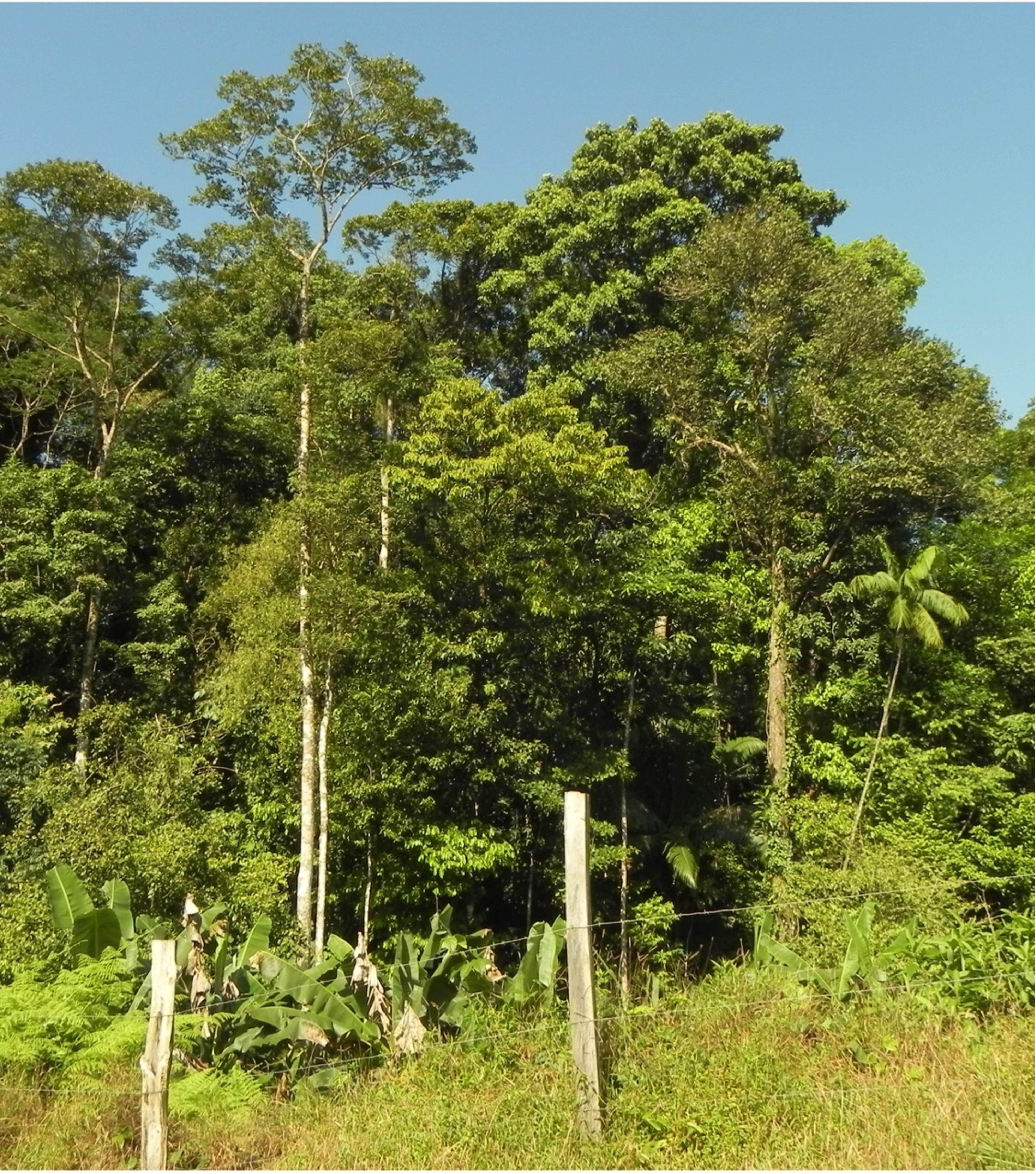
By connecting practitioners and policymakers working across diverse ecological, cultural, and institutional contexts, the CoP builds collective learning and accelerates the adoption of ANR as a cost-effective and scalable restoration approach in suitable areas and contexts.
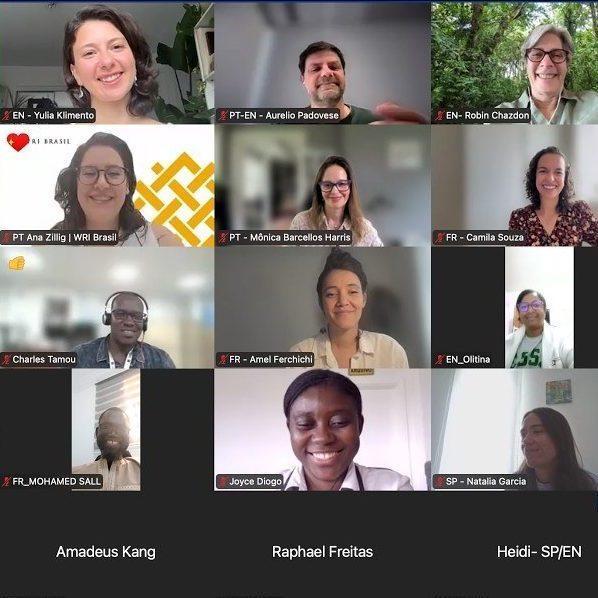
The ANR Community of Practice brings together experts, practitioners, and decision makers engaged in ecosystem restoration around the world. Through the CoP, participants will:
• Exchange practical experiences on overcoming ecological, socioeconomic, technical, and policy barriers to ANR implementation.
• Evaluate ANR Readiness at different regional and country levels through a diagnostic tool based on the foundational principles of ANR.
• Support the development of country level policy analyses and ANR implementation strategy (2027–2028).
• Strengthen cross-regional knowledge sharing through case studies, lessons learned, and examples of ANR innovation.
• Engage in inclusive dialogue that elevates diverse perspectives, including traditional knowledge, gender equality, and social inclusion.
Participation is open to all interested mid and senior-level managers and practitioners actively working in ecosystem restoration, whether or not they are directly involved in ERIP projects.
Participation in the ANR CoP is flexible and designed to fit alongside existing responsibilities. Members are welcome to engage in the activities that best suit their interests and availability.

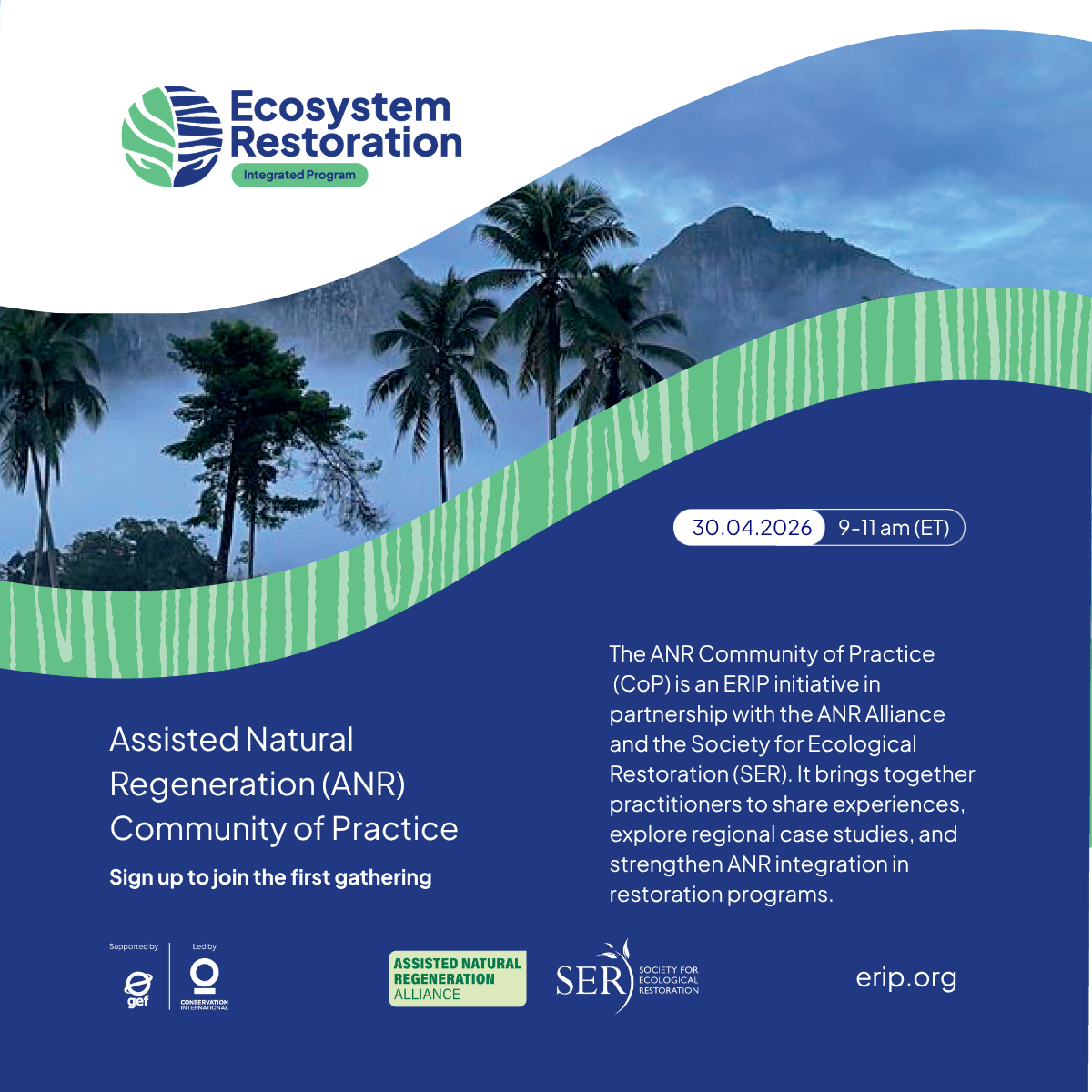
The ANR Readiness Diagnostic Tool was developed by the ANR Alliance exclusively for the Ecosystem Restoration Integrated Program (ERIP) to help countries, organizations, and restoration practitioners assess their preparedness for implementing Assisted Natural Regeneration (ANR).
The tool provides a structured framework to evaluate readiness across 20 pillars organized into 7 thematic areas, covering the key enabling conditions needed for successful ANR implementation. Each pillar is assessed individually, allowing users to identify strengths, gaps, and priority actions that can support effective planning and implementation.
As a practical self-assessment tool, it helps users better understand the conditions required for ANR to achieve its full potential in restoring native biodiversity, improving ecosystem services, and delivering benefits to local communities.
The diagnostic is intended as the first step in the ANR readiness journey. Upon completion, users can access additional guidance materials, tools, and learning opportunities developed by the ANR Alliance to further strengthen their knowledge and capacity for ANR implementation.
Read the Tool’s instructions PDF before diving in:
Assess your project preparedness for implementing ANR:

6 hours
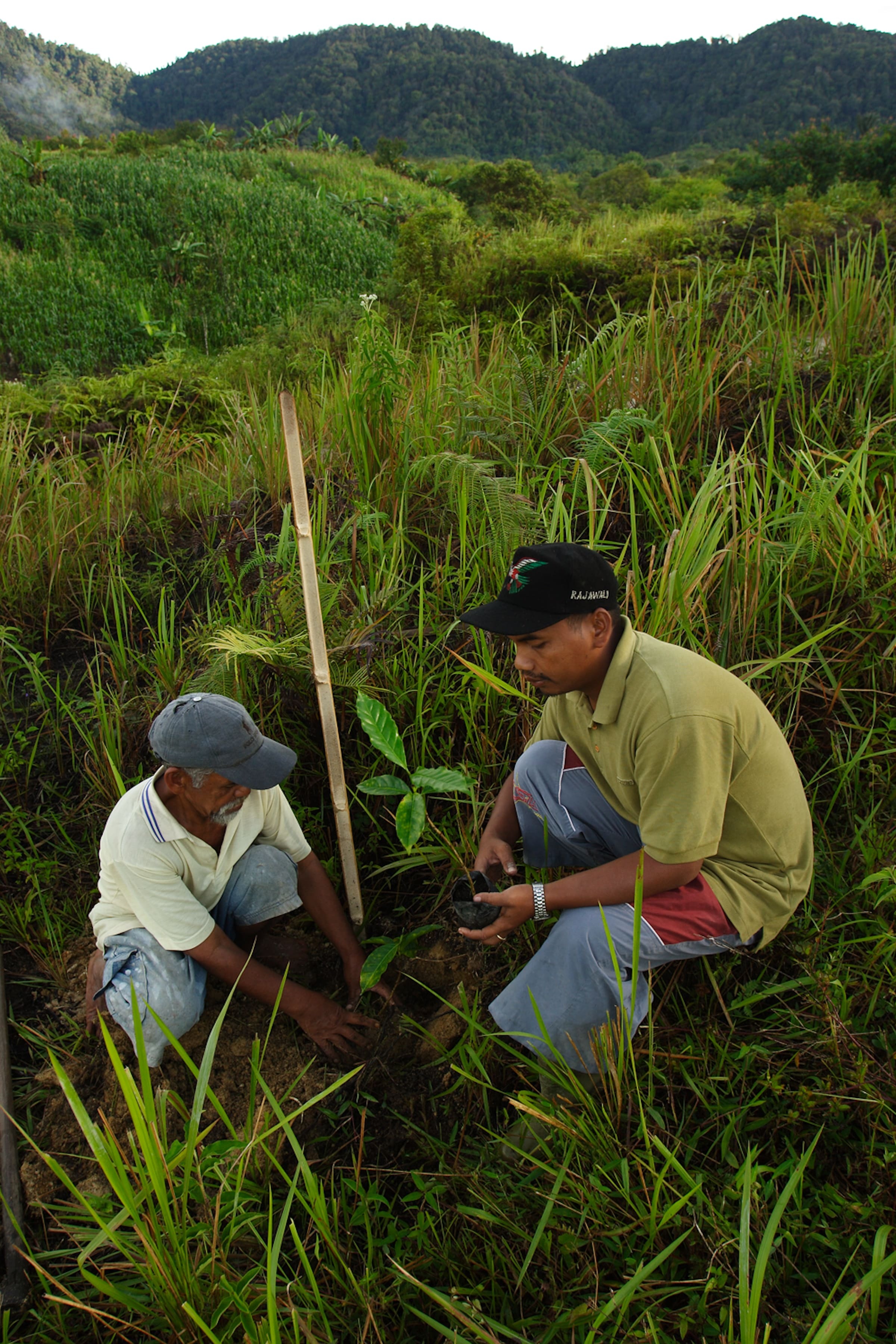
The Restoration for Climate Adaptation Training is an online learning opportunity for ecosystem restoration practitioners interested in strengthening the climate adaptation dimension of their work. It provides a shared space to build understanding, exchange experiences, and explore how ecosystem restoration can support people in adapting to climate change.
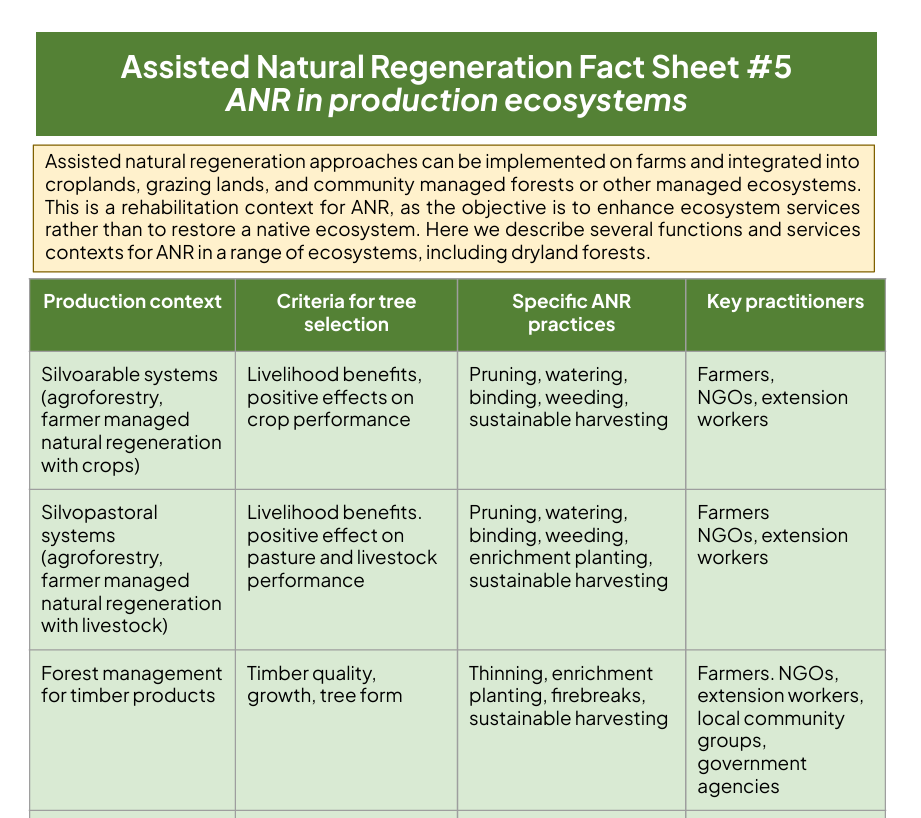
Part 5 of a series of factsheets on Assisted Natural Regeneration (ANR) created by a team of global experts on ANR led by renowned ecologist Robin Chazdon. This installment provides an overview of ANR’s implementation potential in productive ecosystems, and includes translations in English, French, Portuguese, and Spanish.
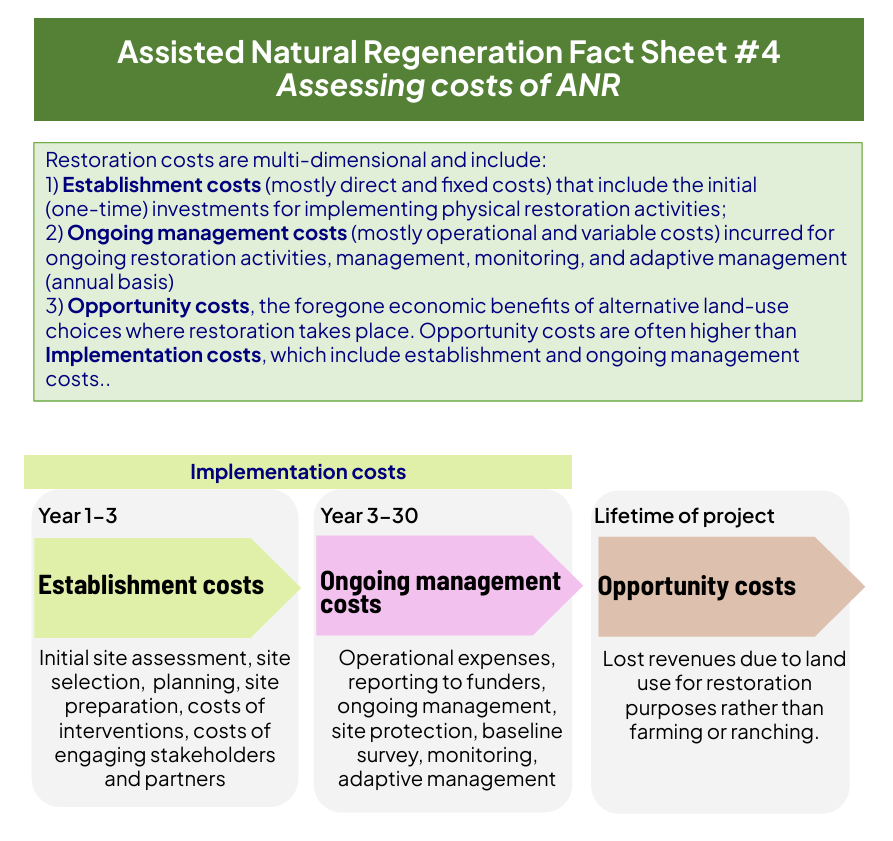
Part 4 of a series of factsheets on Assisted Natural Regeneration (ANR) created by a team of global experts on ANR led by renowned ecologist Robin Chazdon. This installment provides a framework for assessing the costs of ANR, and includes translations in English, French, Portuguese, and Spanish.
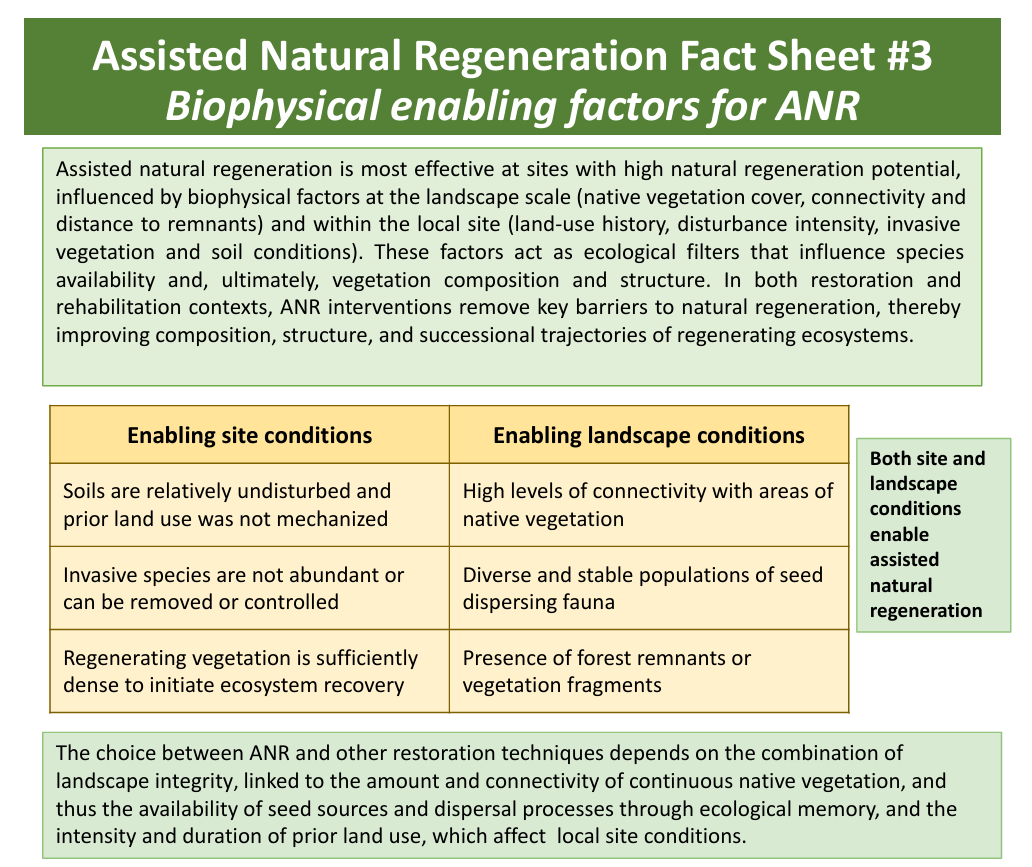
Part 3 of a series of factsheets on Assisted Natural Regeneration (ANR) created by a team of global experts on ANR led by renowned ecologist Robin Chazdon. This installment provides an overview of ANR’s biophysical enabling factors, and includes translations in English, French, Portuguese, and Spanish.