Monitoring and Evaluation

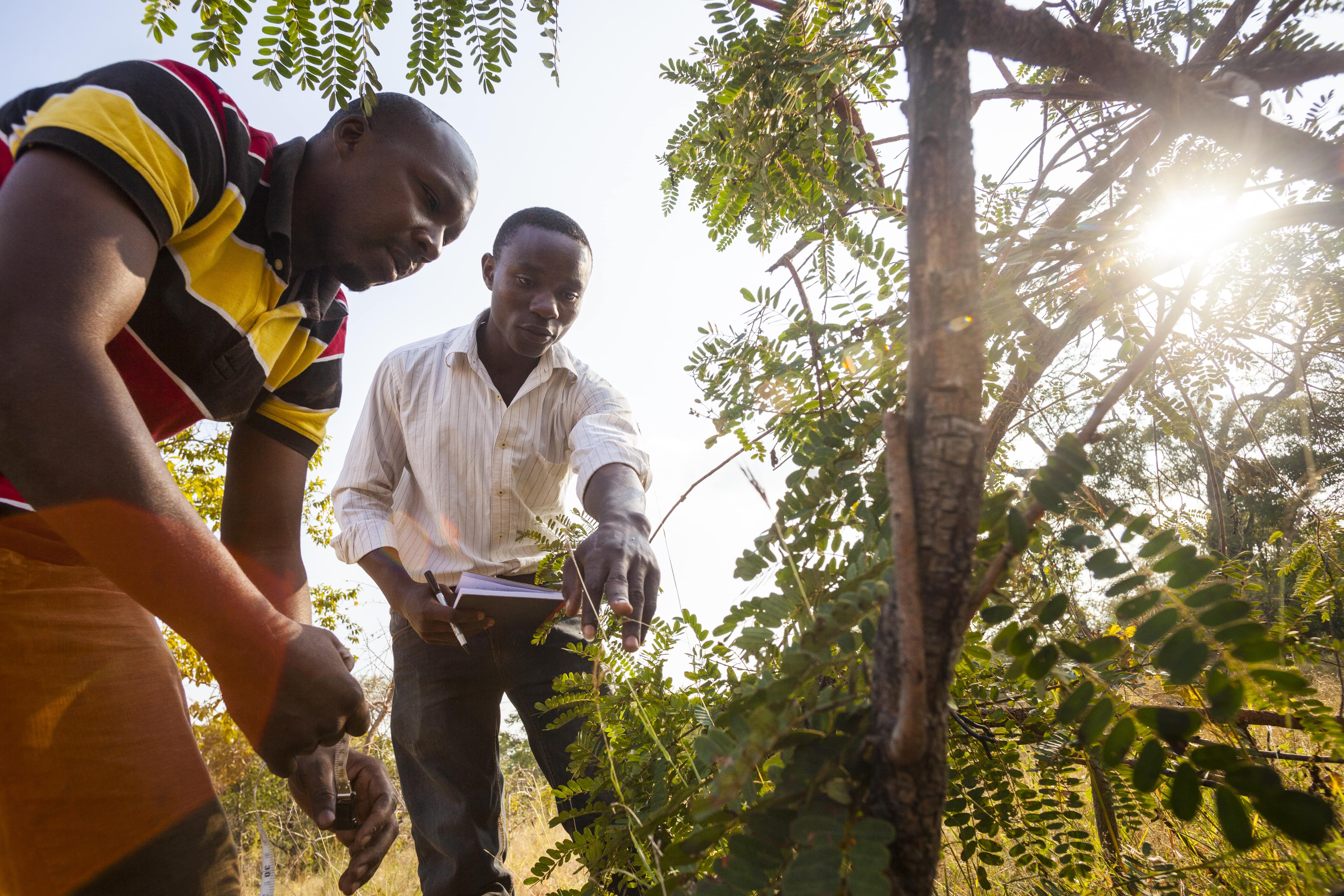
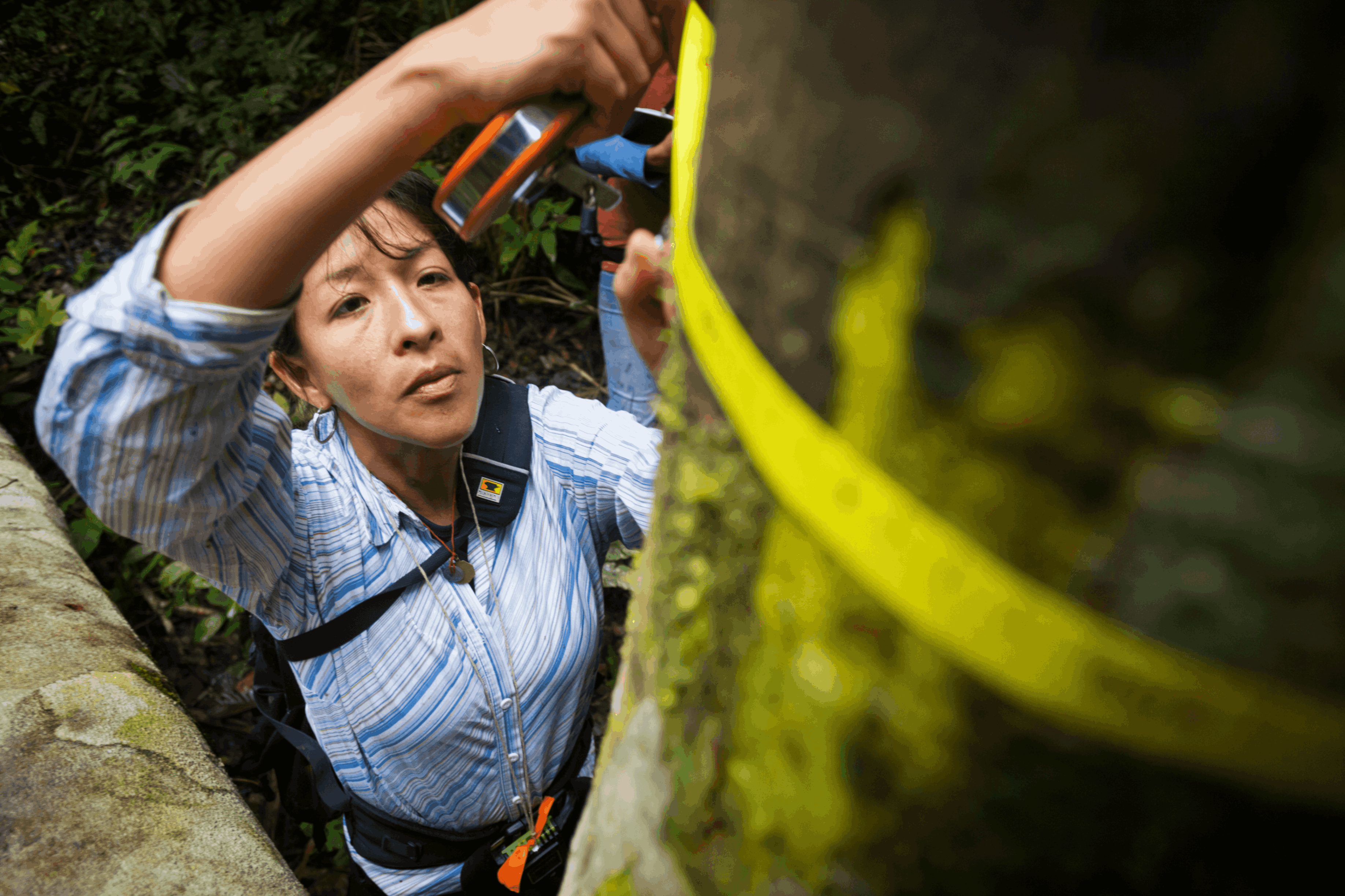
Monitoring and evaluation (M&E) are key components of restoration projects. They are crucial for ensuring adequate implementation, tracking progress, demonstrating impact, and enabling adaptive management. M&E provides essential data for making informed decisions and ultimately ensuring the success of the Ecosystem Restoration Integrated Program (ERIP).

Photo credit: © Benjamin Drummond 
Mask group 1 Ci 18914873 min
Property 1 Wood Ci 52963872

Why M&E Matters

M&E provides evidence of how restoration efforts in the 20 ERIP countries contribute to climate mitigation, enhance biodiversity, and support sustainable development, ensuring that projects deliver social, economic, and environmental benefits.

Photo credit: © Benjamin Drummond 

Image BG 3 1 Ci 13997222 min 1

ERIP’s role & strategy

ERIP's role is to ensure alignment of the 20 countries with the program's objectives and goals. This includes providing guidance on M&E processes and tools to facilitate harmonized tracking and reporting of results and capture of program-wide achievements through Core and Program-level Indicators.

Photo credit: © Benjamin Drummond 
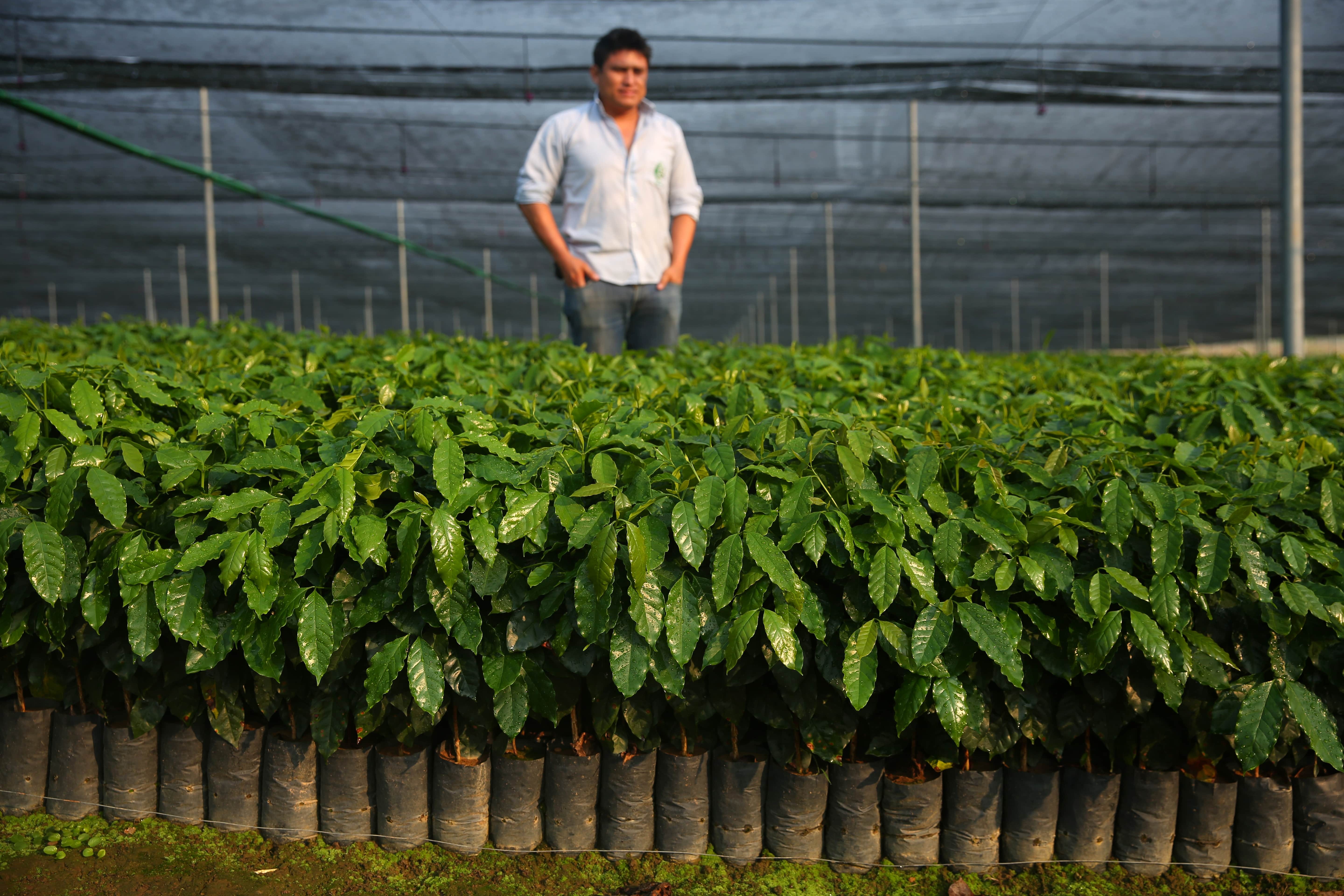
Image BG 4 Ci 28236695 min

Our Vision for Success

- Countries data informs decision-making, learning and continuous improvement of restoration efforts. 

- ERIP impact demonstrated through Program-level Indicators providing comprehensive evidence on how the program contributes to improved policy, governance, coordination, finance, knowledge and stakeholder engagement.  

- ERIP's Core Indicators track how restoration projects benefit ecosystems, including climate mitigation. 

Photo credits: © Joshua Trujillo, Starbucks

Related News

News

  • Annual Events

    Lorem ipsum dolor sit amet lorem ipsumdolo.

    Lorem ipsum dolor sit amet, consectetur adipiscing elit psum dolor sit amet,.

    Arrow Right
  • Flemingo
    Annual Events

    Lorem ipsum dolor sit amet lorem ipsumdolo.

    Lorem ipsum dolor sit amet, consectetur adipiscing elit psum dolor sit amet,.

    Arrow Right
  • Flemingo
    Annual Events

    Lorem ipsum dolor sit amet lorem ipsumdolo.

    Lorem ipsum dolor sit amet, consectetur adipiscing elit psum dolor sit amet,.

    Arrow Right
  • Rwanda Field Mission 20256
    News

    Restoration Progress in Rwanda: Highlights from the First Field Mission

    From December 1–5, 2025, Conservation International (CI) joined the World Bank and the Rwanda Environment Management Authority (REMA) for the World Bank’s First Implementation Support Mission of the Ecosystem-Based Restoration Approach for the Nyungwe–Ruhango Corridor Project. 

    Card arrow right white
  • Angola Inception Workshop 3
    News

    Inception Workshop Marks Start of Restoration Work in Angola

    Angola has begun implementation of the Sustainable Ecosystem Restoration Project in the Extended Central Plateau, part of the Ecosystem Restoration Integrated Program (ERIP). The project focuses on restoring Miombo forest landscapes, grasslands, wetlands, and peatlands, protecting key river headwaters, and strengthening community-based natural resource management across the provinces of Huambo, Bié, and Moxico.

    Card arrow right
  • SER ERIP 2025
    News

    ERIP Showcases Global Collaboration at SER 2025 Conference in Denver

    The Ecosystem Restoration Integrated Program (ERIP) was featured at the Society for Ecological Restoration (SER) 2025 Conference in Denver, held from September 30 to October 4. The event brought together restoration leaders and practitioners from around the world, offering a platform to exchange insights and strengthen collaboration across regions and disciplines.

    Card arrow right

Resources

Resources

View All
  • Farmers tend regenerating trees in African Drylands
    Case Studies

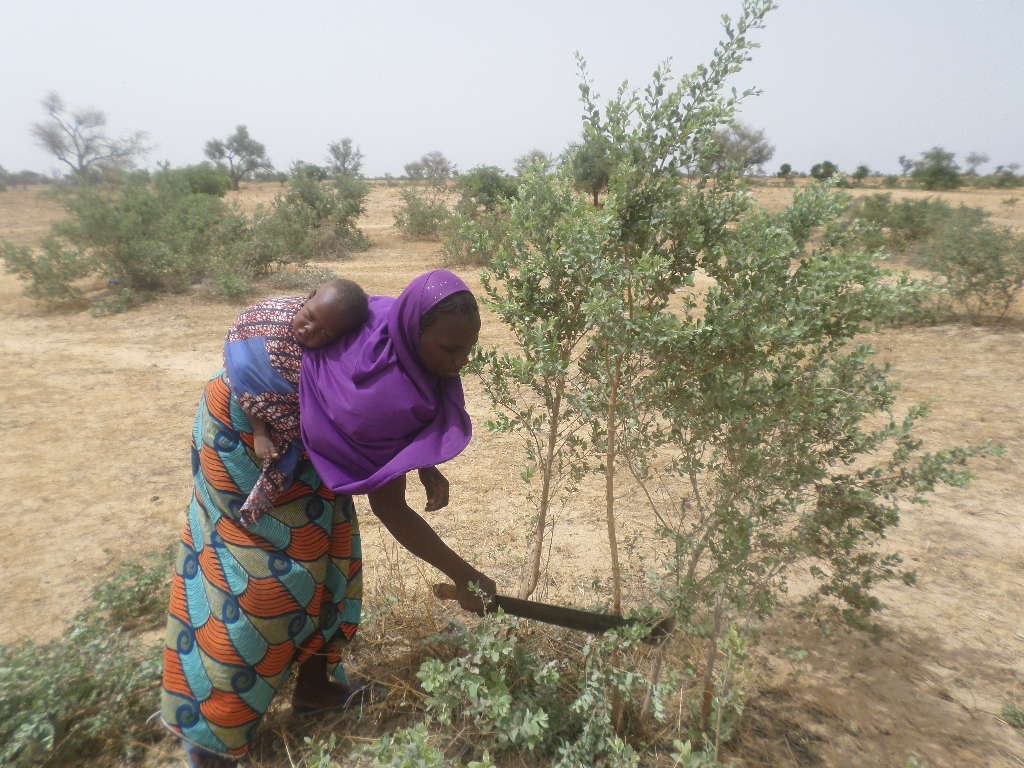
    The hidden forest: farmers tend regenerating trees in African Drylands

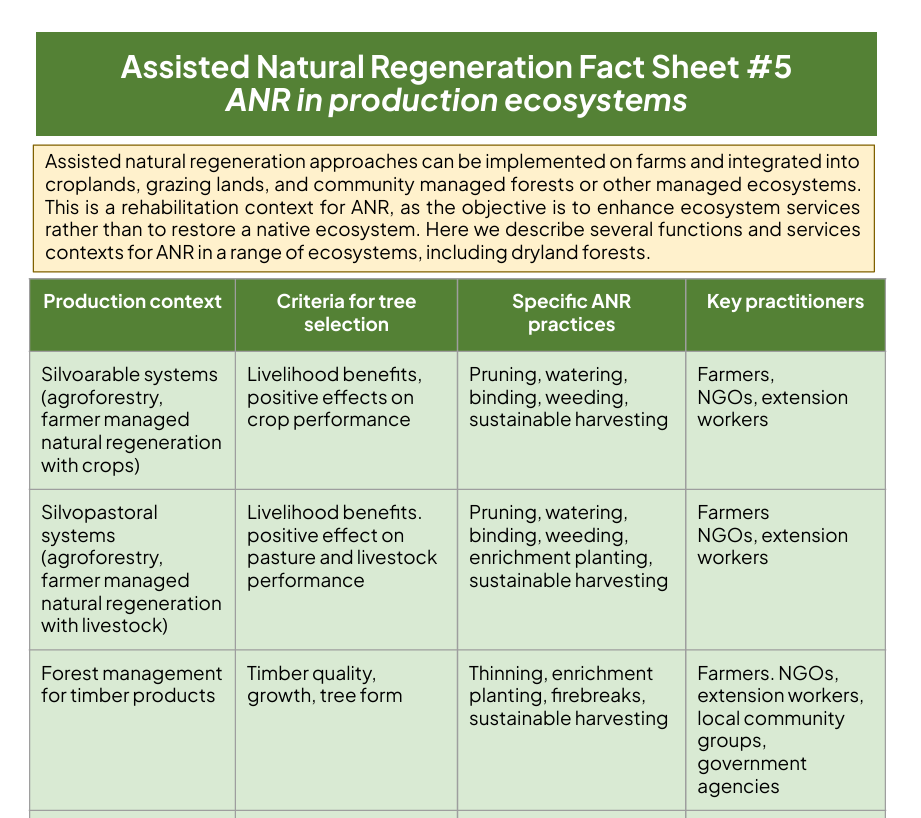
    Case study investigating Farm-Managed Natural Regeneration of degraded farmland in Niger. Highlights the importance of flexibility, peer learning, and social cohesion. Key lessons include adapting to local contexts, leveraging farmer-to-farmer exchange, and recognizing that widespread adoption depends on community support and the willingness to change in challenging times.

  • Bringing the Atlantic Forest back to life
    Case Studies

    Bringing the Atlantic Forest back to life in the Rio Doce Watershed, Minas Gerais, Brazil

    Case study underscoring the need for careful problem diagnosis, transparent collaboration, and tailored approaches in restoration. Key lessons include accepting that restoration is slow, avoiding one-size-fits-all solutions, and practicing patience throughout the process.

  • Restoring native forest with Ban Mae Sa Mai Village
    Case Studies

    Restoring native forest with Ban Mae Sa Mai Village, Chiang Mai, Thailand

    Case study demonstrating that restoration can be made more sustainable by ensuring it is economically viable for the local community, treating it as a livelihood, and embracing uncertainty. Key lessons include aligning incentives with forest protection, using projects to test new ideas, and recognizing the diverse needs within communities