Why Angola’s Ecosystem Restoration Matters Globally
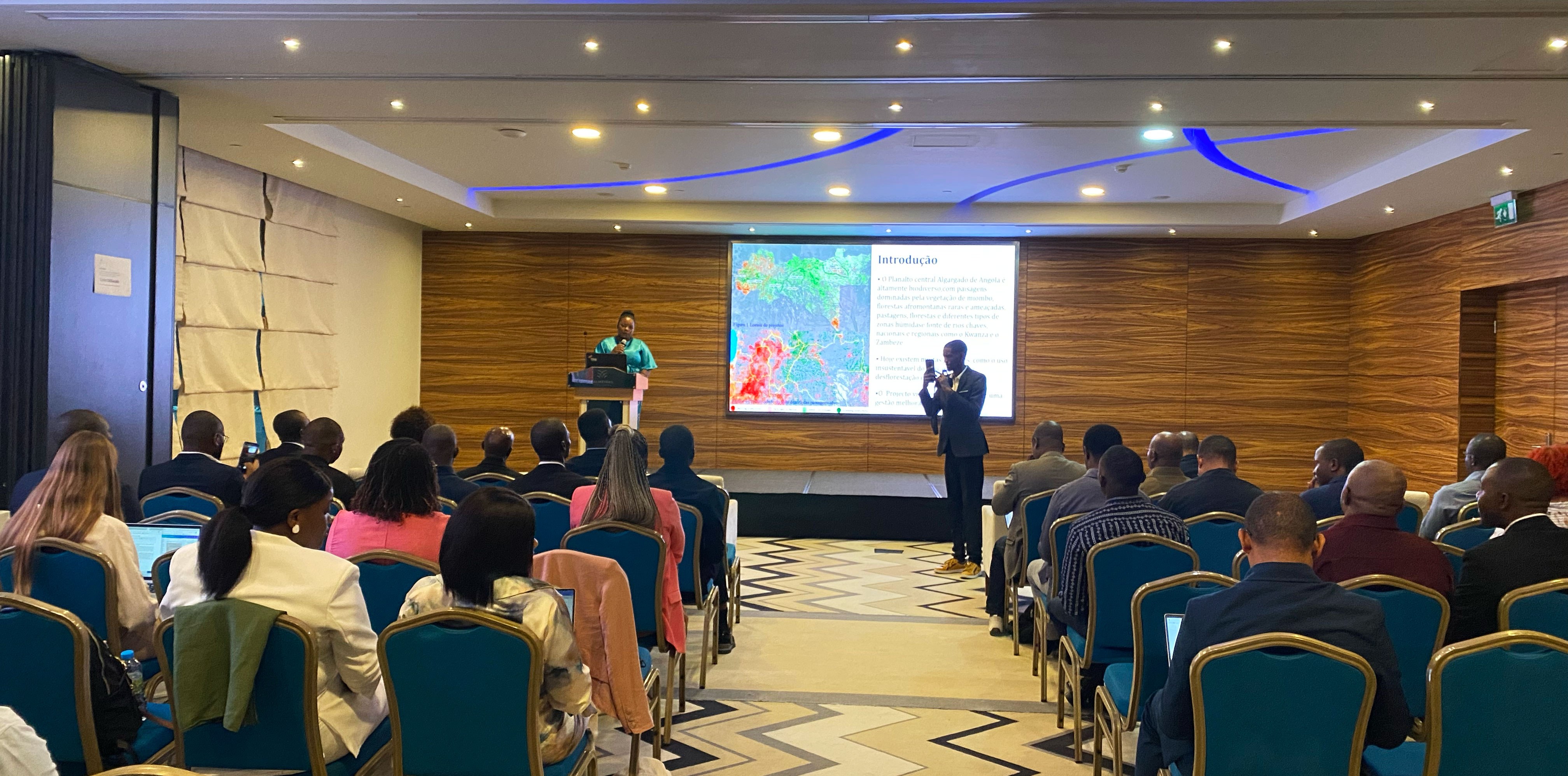
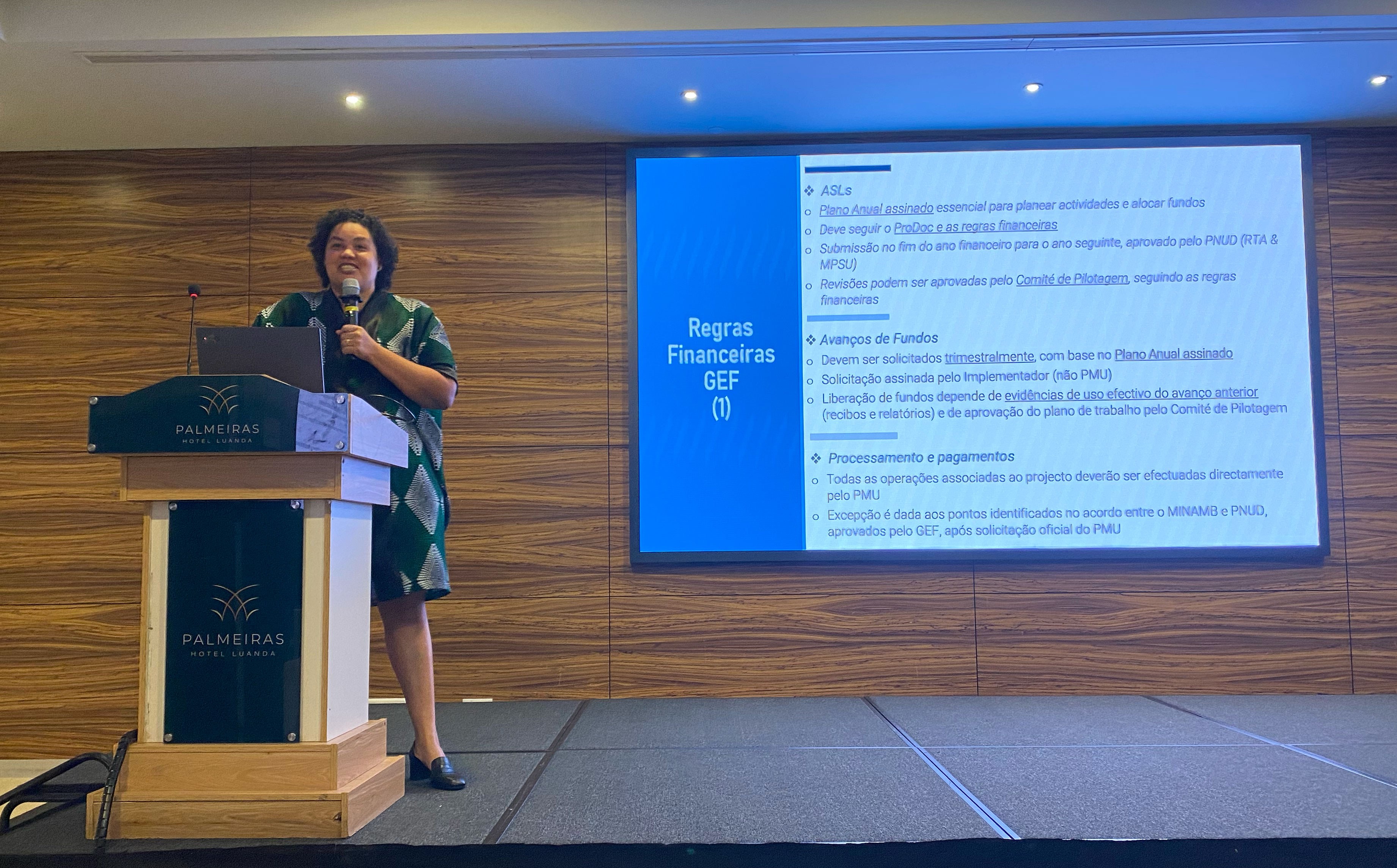
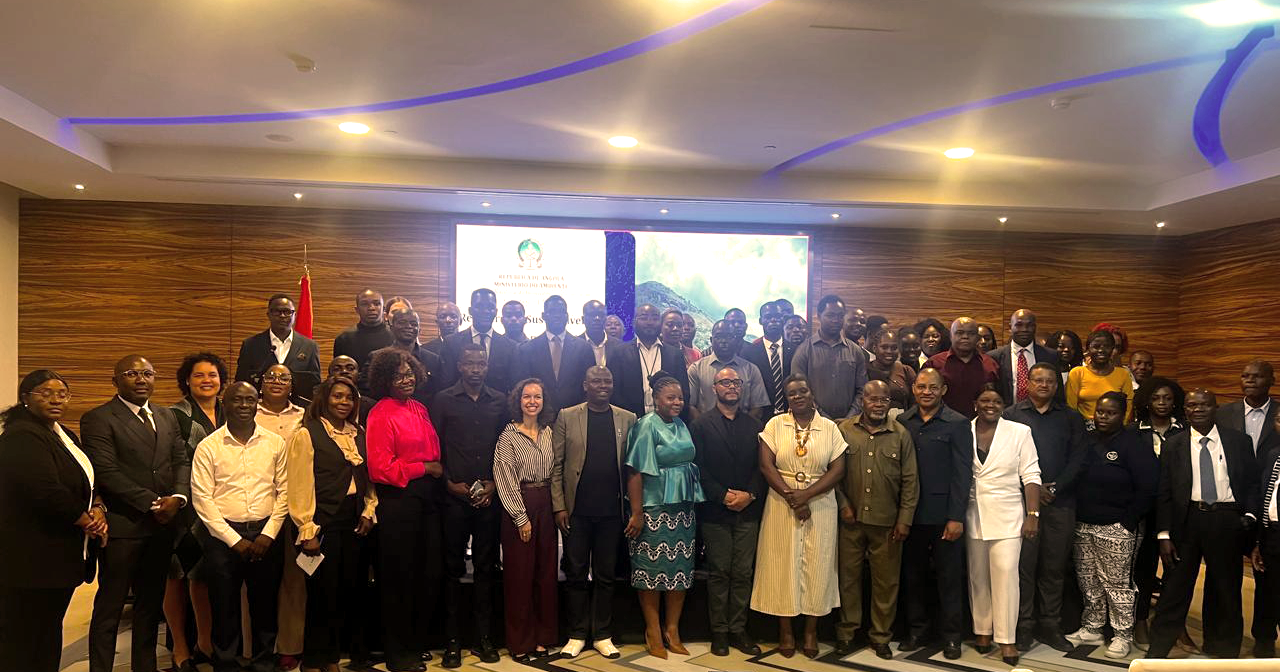
On 26 November 2025, the country hosted its Inception Workshop in Luanda, bringing together national institutions, provincial authorities, and project partners to align priorities and formally launch field activities. Angola is adopting a new coordination model, with one national coordinator and two local coordinators positioned close to the restoration sites and communities to support day-to-day implementation.
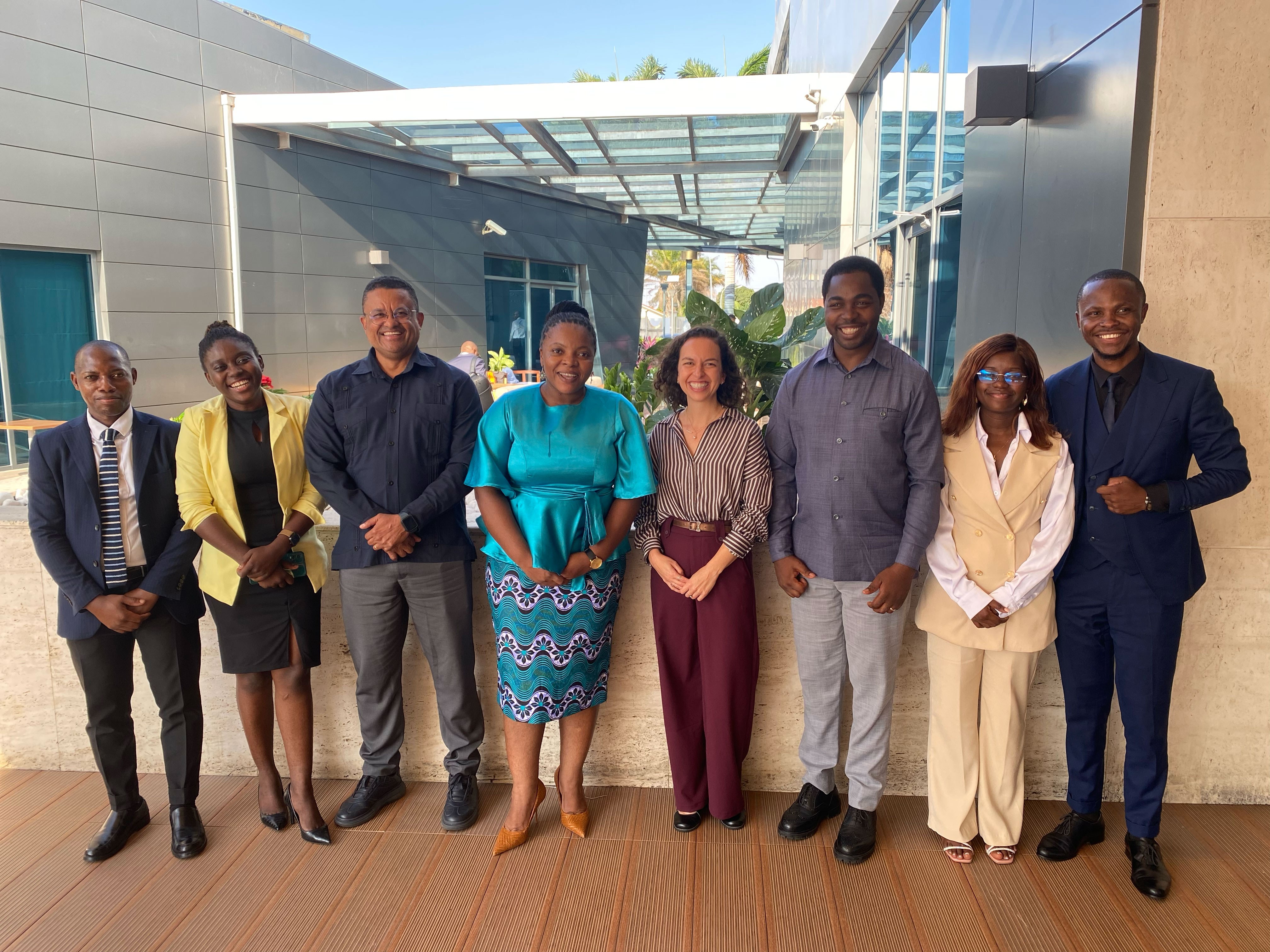
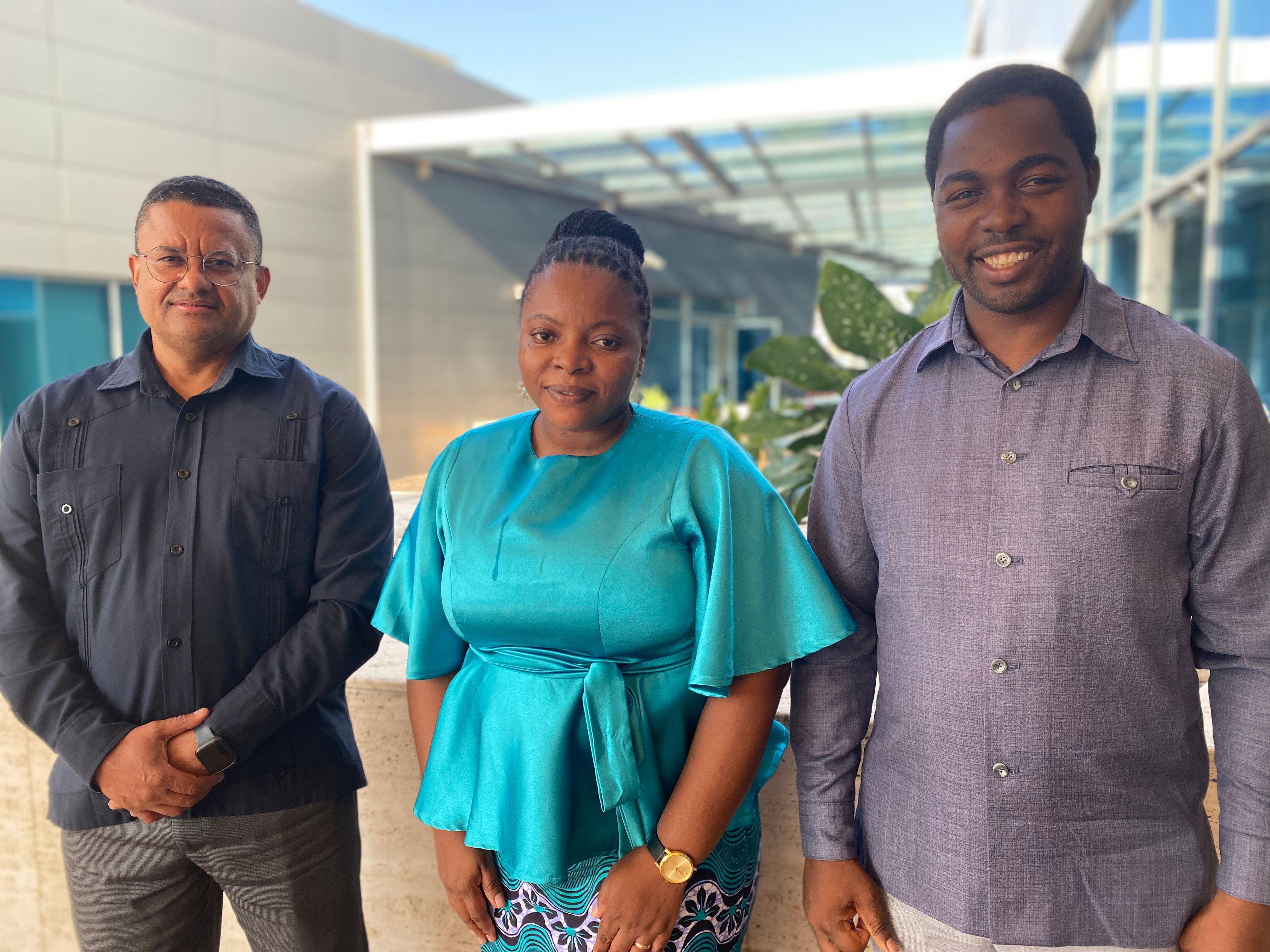
Read below the interview with Amélia Jordão, National Coordinator of the Sustainable Ecosystem Restoration Project, Castilho Boa, Local Coordinator for the Moxico and Eastern Moxico region, and João Figueiredo, Local Coordinator for the Huambo and Bié region.
They shared their reflections on the project’s priorities, the role of communities, and what this next phase means for ecosystem restoration in Angola.
How would you describe the ecosystems and communities your project focuses on?
The project areas include the Miombo forest, but we also work extensively in aquatic zones, especially in river sources and river courses of great influence for Southern Africa. Here are the headwaters of the largest river that is entirely Angolan, which rises in the Angolan Extended Central Plateau and flows toward Luanda.
We also have the sources of the Cubango River and other tributaries that feed into major river basins. The region includes mountainous landscapes, flooded zones within protected areas that change seasonally into wetlands, where fishing is one of the main sources of subsistence for communities.
Communities also depend on agriculture and grazing. Moxico is the main water reserve of the region and is a major source of water distribution for the Cubango system. The sustainability of these rivers is critical because they are extremely rich in biodiversity.
What are the main challenges your country faces in terms of ecosystem degradation or restoration?
One of the main challenges is the high level of poverty in communities, which forces people to degrade the environment to survive. This economic vulnerability is very visible in rural areas and represents a serious bottleneck for restoration.
However, the project brings components that directly address this challenge, especially in promoting sustainability and community involvement. We have a lot to learn from our communities. For decades they have known how to coexist with nature, and much of their knowledge is now being confirmed by science.
Sustainability of the actions is another main challenge, ensuring that communities have alternative livelihoods, so they do not continue to put pressure on natural resources. Fire management is also a serious challenge. Fire is part of community life and subsistence, but it must be used in a controlled way to ensure sustainability.
What did the Inception Workshop represent for your country? How did it help create a shared vision among government, partners, and communities?
The inception workshop represented the formalization of the project. Although projects begin many years earlier, this moment marked the official start of implementation. It showed our partners that we are now moving into the field to begin actions aimed at achieving the defined goals.
We had representation from all project provinces, local government authorities, and especially local communities. It was important that communities were present so they could take the information back and understand that we are coming to support sustainability and improved land management.
What were the most important takeaways or discussions from the workshop?
The main takeaway was alignment. We aligned expectations, roles, and responsibilities across national, provincial, and community levels. It created a shared understanding of where the project is going and how it will benefit sustainability and community livelihoods.
What makes your country’s participation in ERIP most exciting to you and your team?
What excites us most is the exchange between countries. Some participating countries already have more experience in restoration than Angola, and this allows us to skip stages and avoid mistakes others have already made.
It is a great opportunity for learning, sharing experiences, exchanging information, and aligning with global environmental targets and international agreements. Angola is taking an important step. Brazil is a strong example of restoration success and inspires us.