Gender Equality and Social Inclusion (GESI)

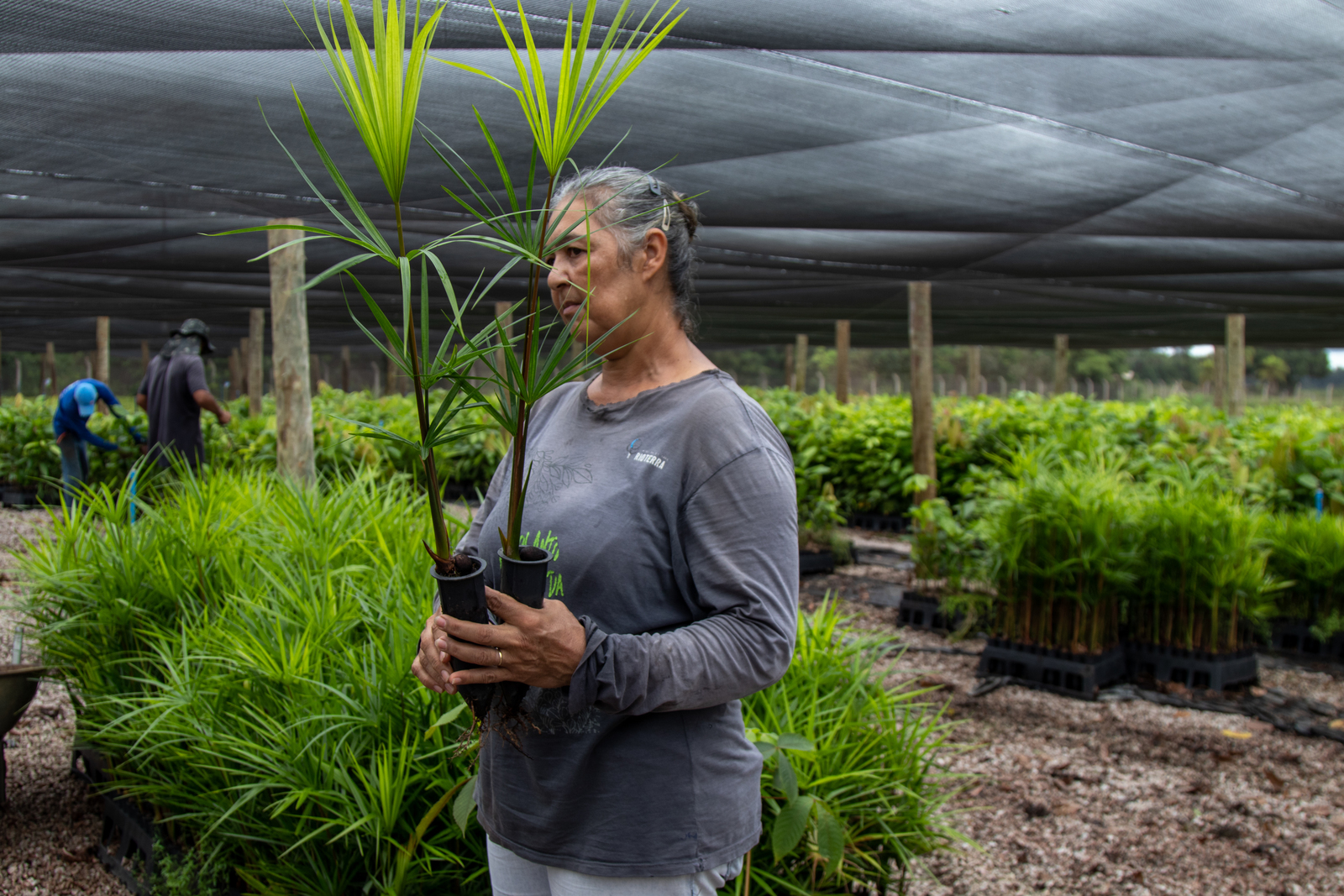
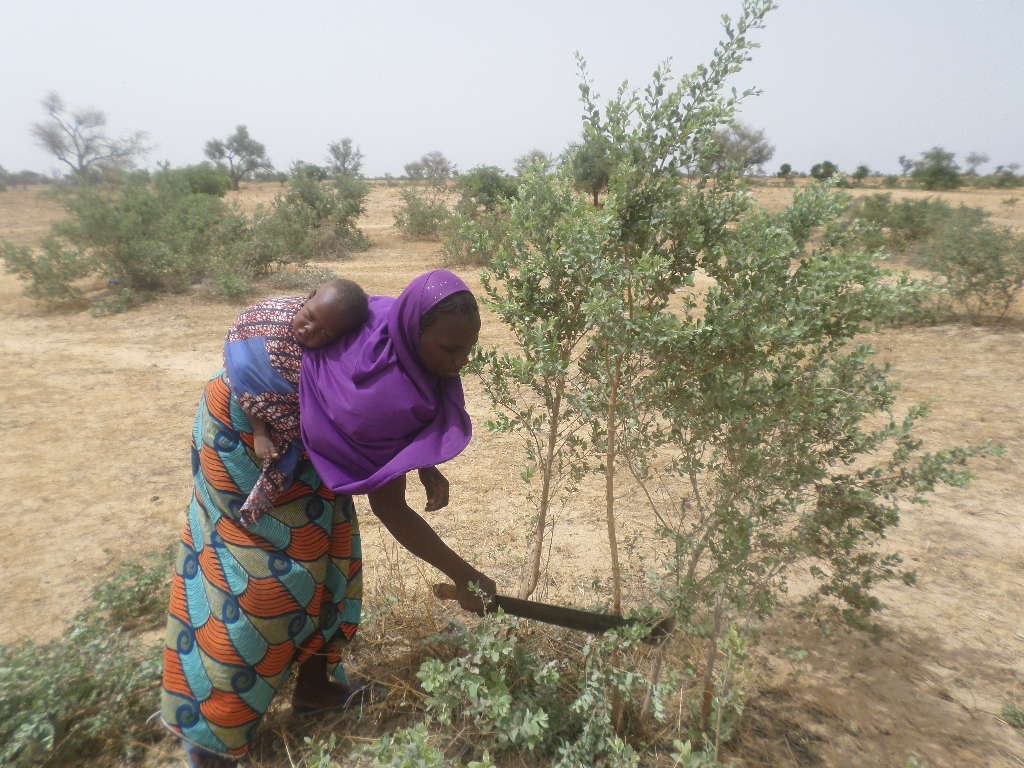
Gender equality and social inclusion are essential to achieving long-lasting ecosystem restoration. The GEF Ecosystem Restoration Integrated Program (ERIP) ensures that restoration strategies include the voices, rights, and leadership of women, youth, Indigenous Peoples, and local communities across its 20 participating countries. By involving everyone, ERIP builds stronger, fairer, and more sustainable solutions for nature. 

Photo credit: © FLAVIO FORNER

Mask group 1 Ci 57282148
Property 1 Wood Ci 65769355

Why GESI Matters

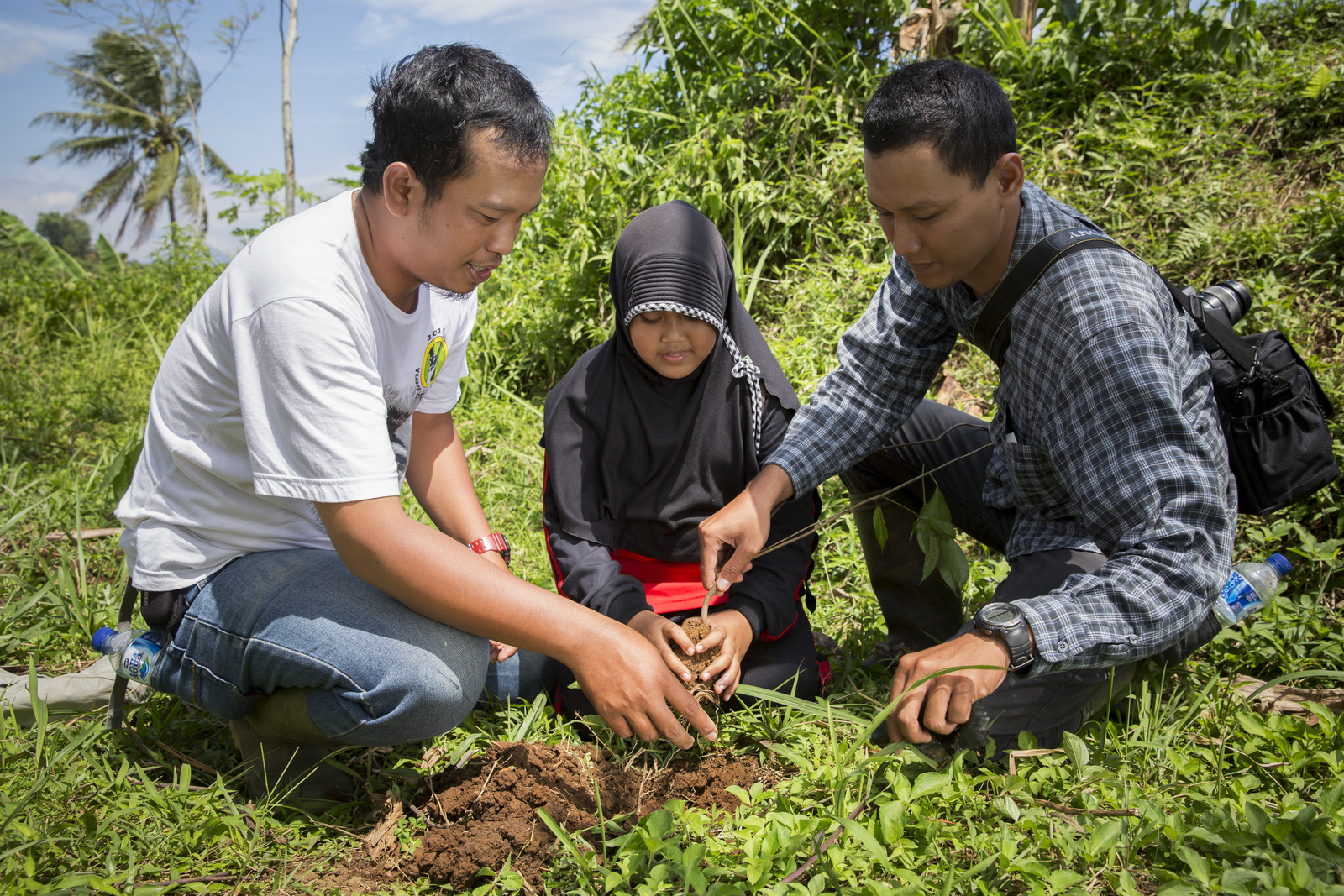
Gender equality and social inclusion are key to solving global environmental challenges. Research shows that when women and marginalized groups are involved in managing natural resources, projects are more effective and sustainable. In ecosystem restoration, their knowledge and leadership help tackle climate change, protect biodiversity, and support community development. The GEF Ecosystem Restoration Integrated Program (ERIP) brings this to life by ensuring that women, youth, Indigenous Peoples, and local communities lead and benefit from restoration efforts —creating fairer, stronger, and longer-lasting results for people and the planet. 

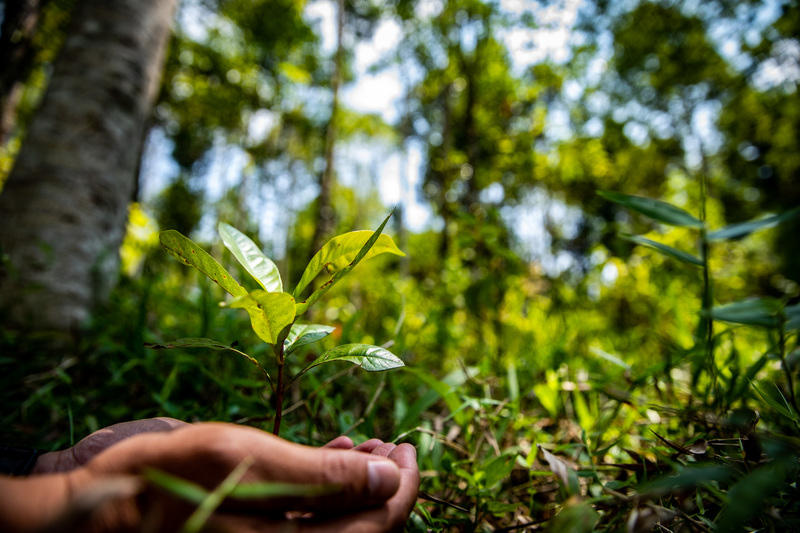
Photo credit: © Jessica Scranton

Image BG 3 1 Ci 47283891

ERIP’s Role & Strategy

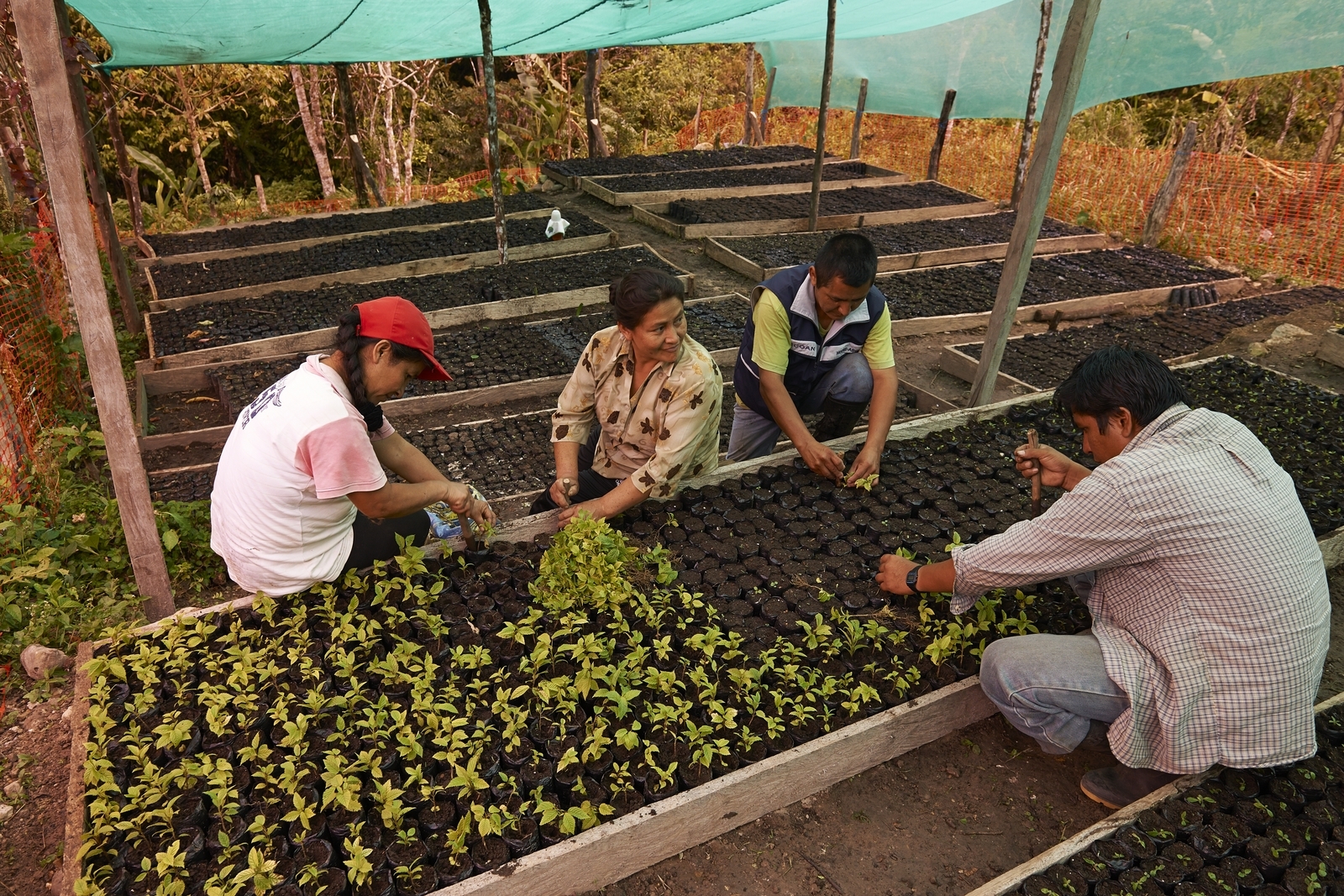
The ERIP supports countries and partners in advancing gender equality and social inclusion through a collaborative, action-driven approach. ERIP helps build capacity by fostering a global community of practice where restoration practitioners share experiences, challenges, and solutions. This network strengthens local leadership and ensures restoration efforts reflect diverse voices and needs. 

To drive impact, ERIP offers global networking opportunities, resource platforms, and practical tools to help integrate GESI into restoration planning and implementation. It also provides tangible, real-world examples of GESI in action—showcasing how inclusive approaches lead to better outcomes. 

Photo credit: © Thomas Muller

Image BG 4 Ci 68155204

Our Vision for Success

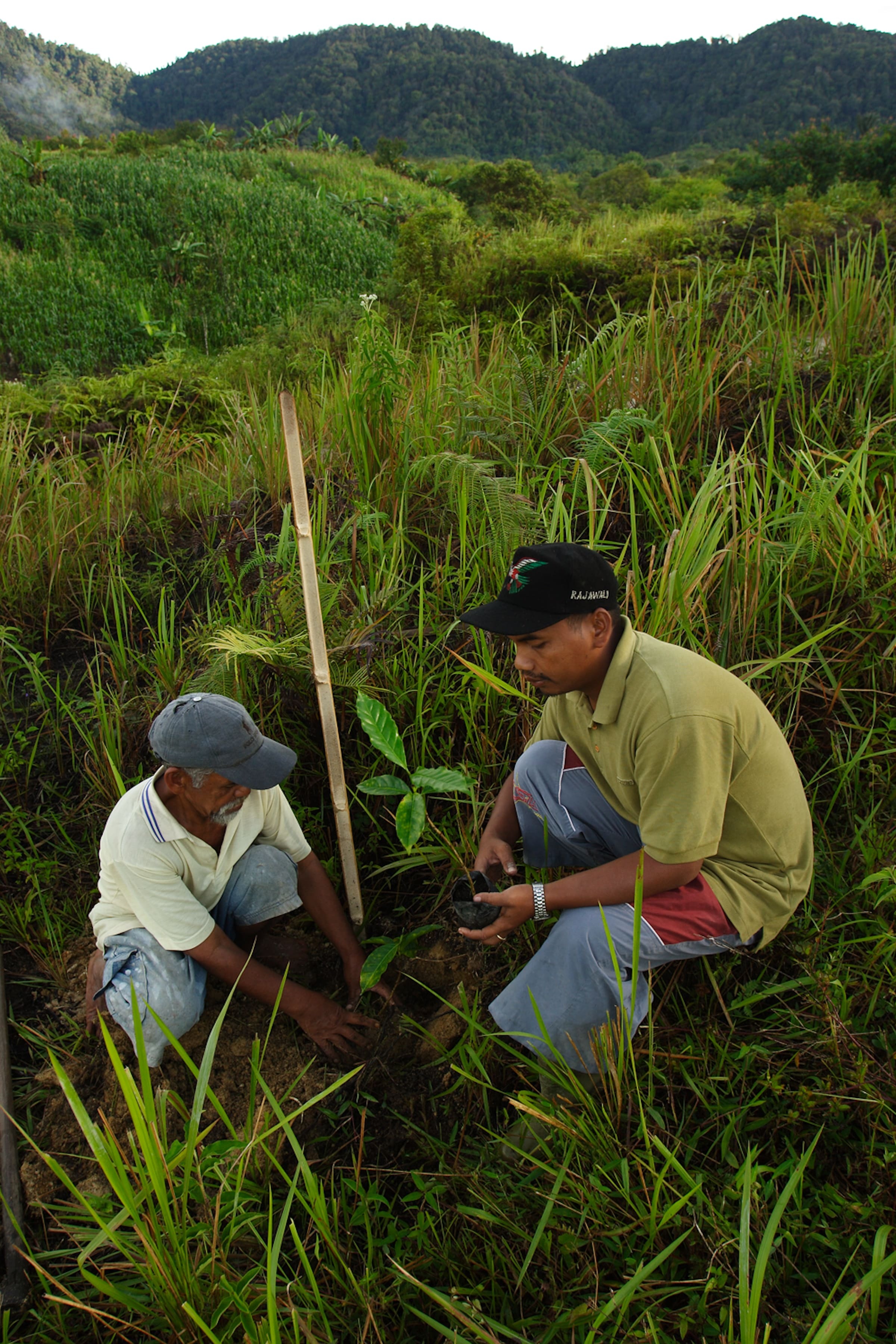
- Inclusive leadership and decision-making in ecosystem restoration 

- Equitable restoration benefits and enhanced community resilience 

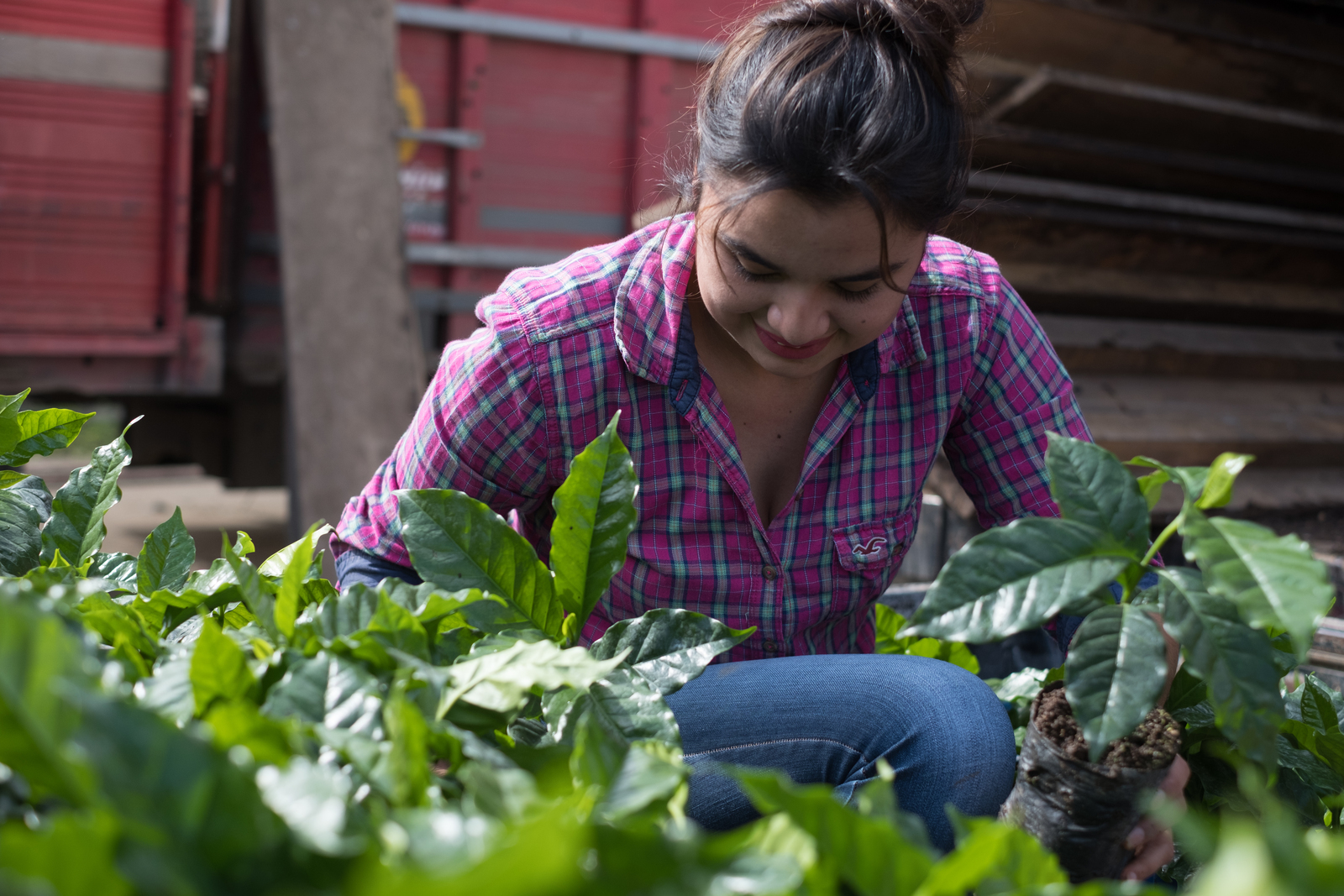
- Stronger, more sustainable restoration  

Photo credit: © Starbucks

Looking Ahead

Gender equality & social inclusion is central to ERIP’s vision of building a global movement for ecosystem restoration. As a coordinated effort to scale up restoration, ERIP recognizes that lasting impact depends on including everyone – especially women, youth, Indigenous Peoples, and local communities. ERIP’s strong GESI approach is a driver of innovation, resilience, and long-term impact.   

ERIP works with and through a wide range of partners to ensure restoration is inclusive, effective, and scalable. By drawing on diverse knowledge and leadership, restoration becomes more resilient and rooted in local realities. GESI also helps build stronger community ownership, helping efforts last and grow. Through practical tools, peer learning, and global platforms, the ERIP helps countries and partners to embed GESI into restoration efforts – laying the groundwork for ecosystems and communities to recover, adapt, and flourish in a changing climate.

Related News

News

  • Annual Events

    Lorem ipsum dolor sit amet lorem ipsumdolo.

    Lorem ipsum dolor sit amet, consectetur adipiscing elit psum dolor sit amet,.

    Arrow Right
  • Flemingo
    Annual Events

    Lorem ipsum dolor sit amet lorem ipsumdolo.

    Lorem ipsum dolor sit amet, consectetur adipiscing elit psum dolor sit amet,.

    Arrow Right
  • Flemingo
    Annual Events

    Lorem ipsum dolor sit amet lorem ipsumdolo.

    Lorem ipsum dolor sit amet, consectetur adipiscing elit psum dolor sit amet,.

    Arrow Right
  • Rwanda Field Mission 20256
    News

    Restoration Progress in Rwanda: Highlights from the First Field Mission

    From December 1–5, 2025, Conservation International (CI) joined the World Bank and the Rwanda Environment Management Authority (REMA) for the World Bank’s First Implementation Support Mission of the Ecosystem-Based Restoration Approach for the Nyungwe–Ruhango Corridor Project. 

    Card arrow right white
  • Angola Inception Workshop 3
    News

    Inception Workshop Marks Start of Restoration Work in Angola

    Angola has begun implementation of the Sustainable Ecosystem Restoration Project in the Extended Central Plateau, part of the Ecosystem Restoration Integrated Program (ERIP). The project focuses on restoring Miombo forest landscapes, grasslands, wetlands, and peatlands, protecting key river headwaters, and strengthening community-based natural resource management across the provinces of Huambo, Bié, and Moxico.

    Card arrow right
  • SER ERIP 2025
    News

    ERIP Showcases Global Collaboration at SER 2025 Conference in Denver

    The Ecosystem Restoration Integrated Program (ERIP) was featured at the Society for Ecological Restoration (SER) 2025 Conference in Denver, held from September 30 to October 4. The event brought together restoration leaders and practitioners from around the world, offering a platform to exchange insights and strengthen collaboration across regions and disciplines.

    Card arrow right

Trainings and Webinars

Learning

View All
  • training
    Webinar banner image
    Play video

    20 min

    Training title example lorem 1

    Lorem ipsum dolor sit amet, consectetur adipiscing elit, sed do eiusmod

Resources

Resources

View All
  • IUCN WCPA Justice Technical Note Cover
    Guidelines

    Integrating Justice into Restoration Practice

    IUCN WCPA Technical Note on evidence-based guidance for deepening the incorporation of social justice objectives into restoration projects, including those located in and around protected and conserved areas.

  • IUCN WCPA Monitoring Opp.s & Challenges Cover
    Guidelines

    Opportunities and Challenges for Monitoring Ecosystem Restoration in Protected and Conserved Areas

    IUCN WCPA & SSC Technical Note raising awareness of the challenges and solutions for monitoring ecosystem restoration in and around protected and conserved areas, and assisting restoration practitioners, protected area managers and other decision makers to improve the collection and use of monitoring data as part of adaptive management.

  • Standards of Practice to Guide Ecosystem Restoration
    Guidelines

    Standards of Practice to Guide Ecosystem Restoration

    These standards bring together best practices from a wide range of restoration activities, including sustainable agriculture and ecological restoration. It was developed through a global collaboration led by the Taskforce on Best Practices, established under the leadership of the Food and Agriculture Organization of the United Nations (FAO).