Rwanda Restoration in Action
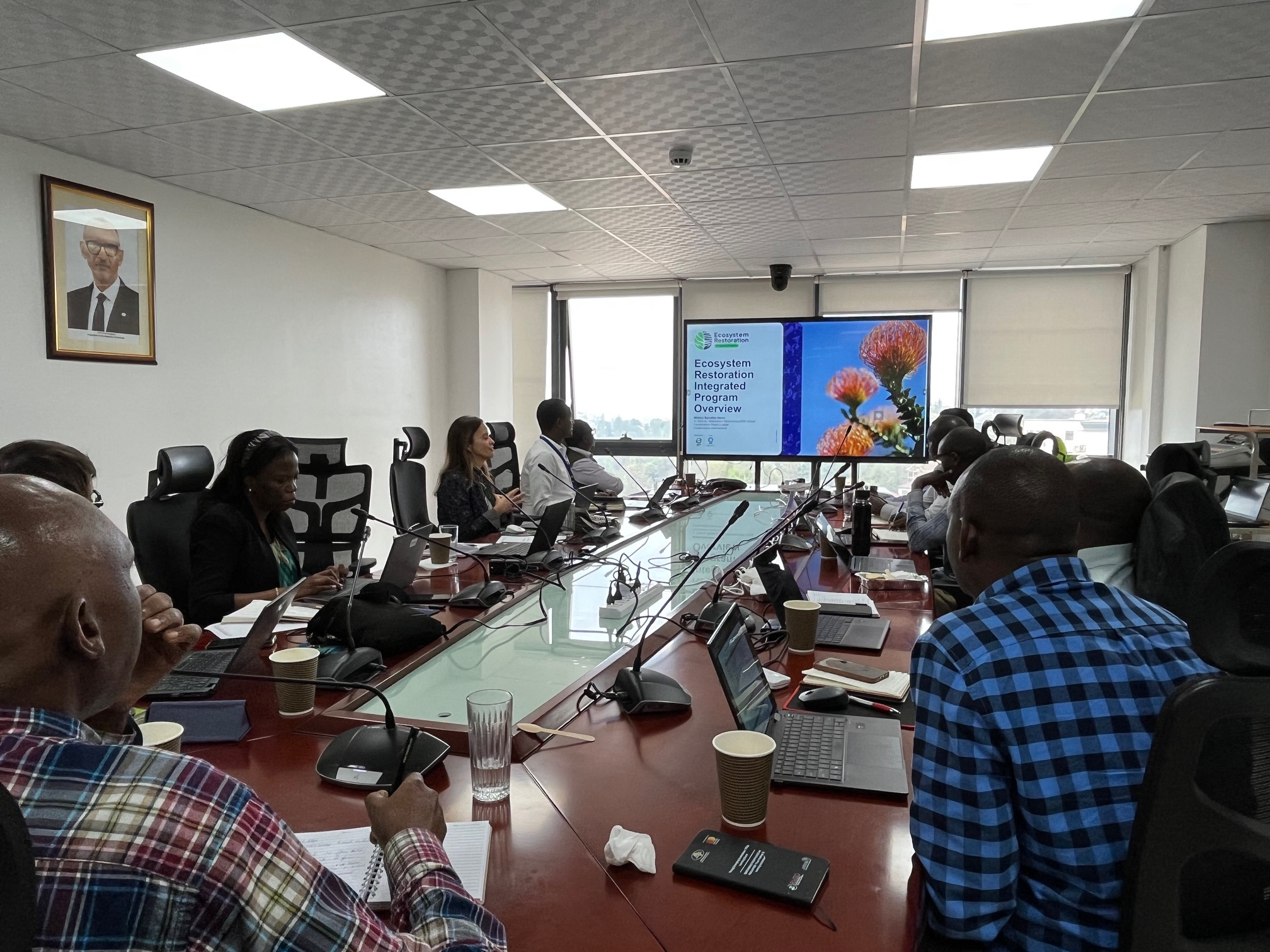
This mission marked a major step forward as Rwanda moves from preparation to full implementation under the GEF-8 Ecosystem Restoration Integrated Program (ERIP).
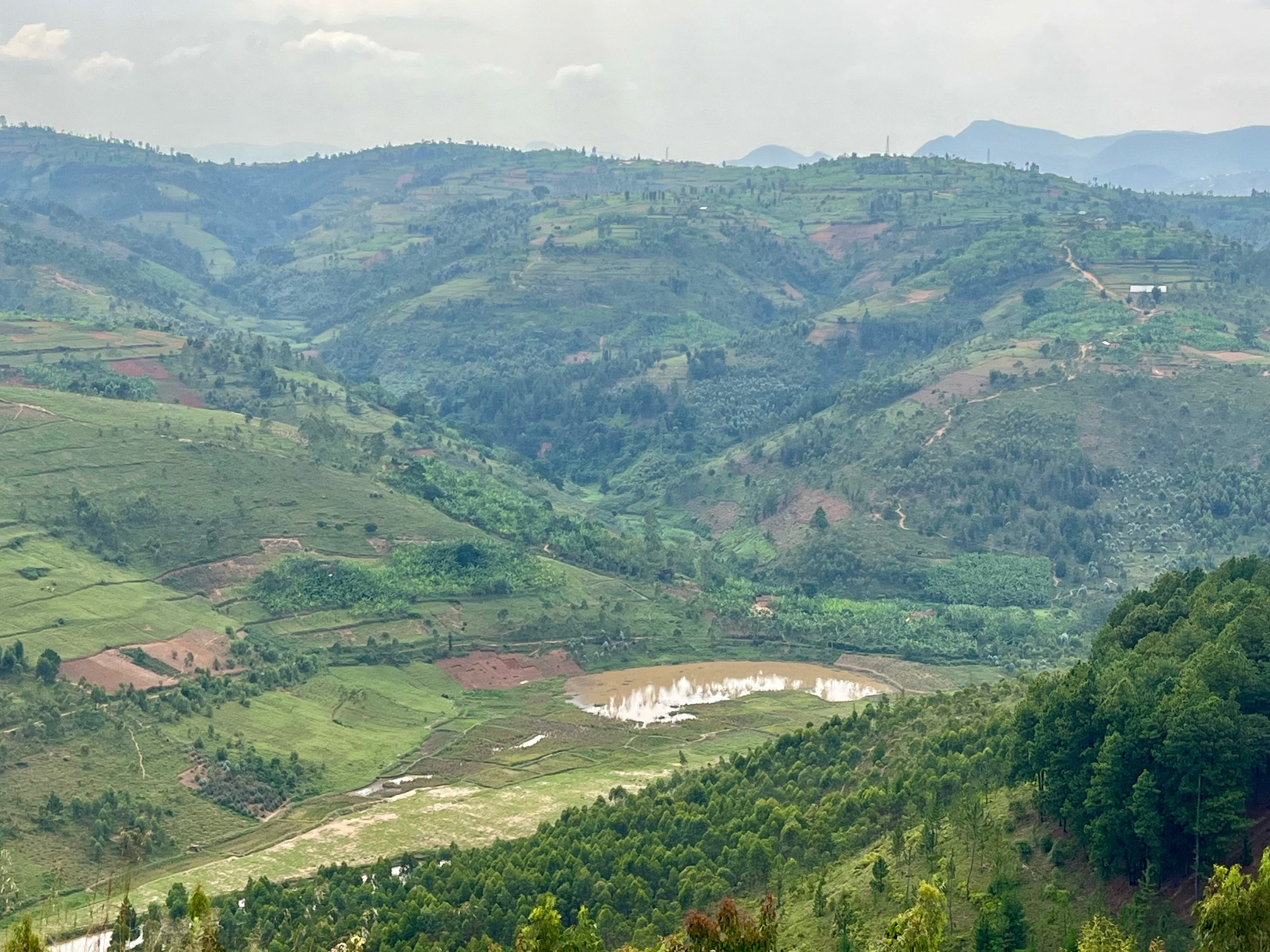
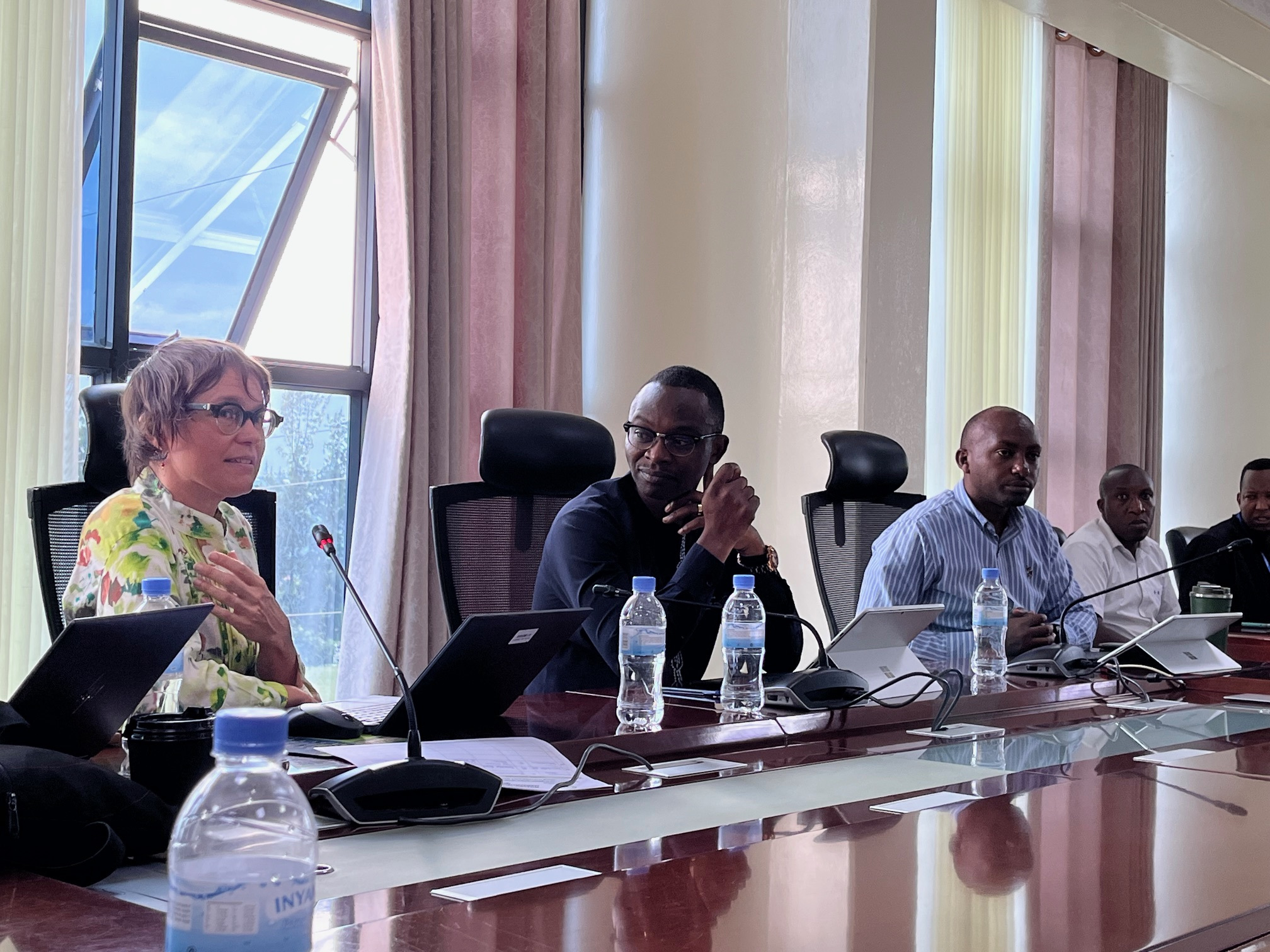
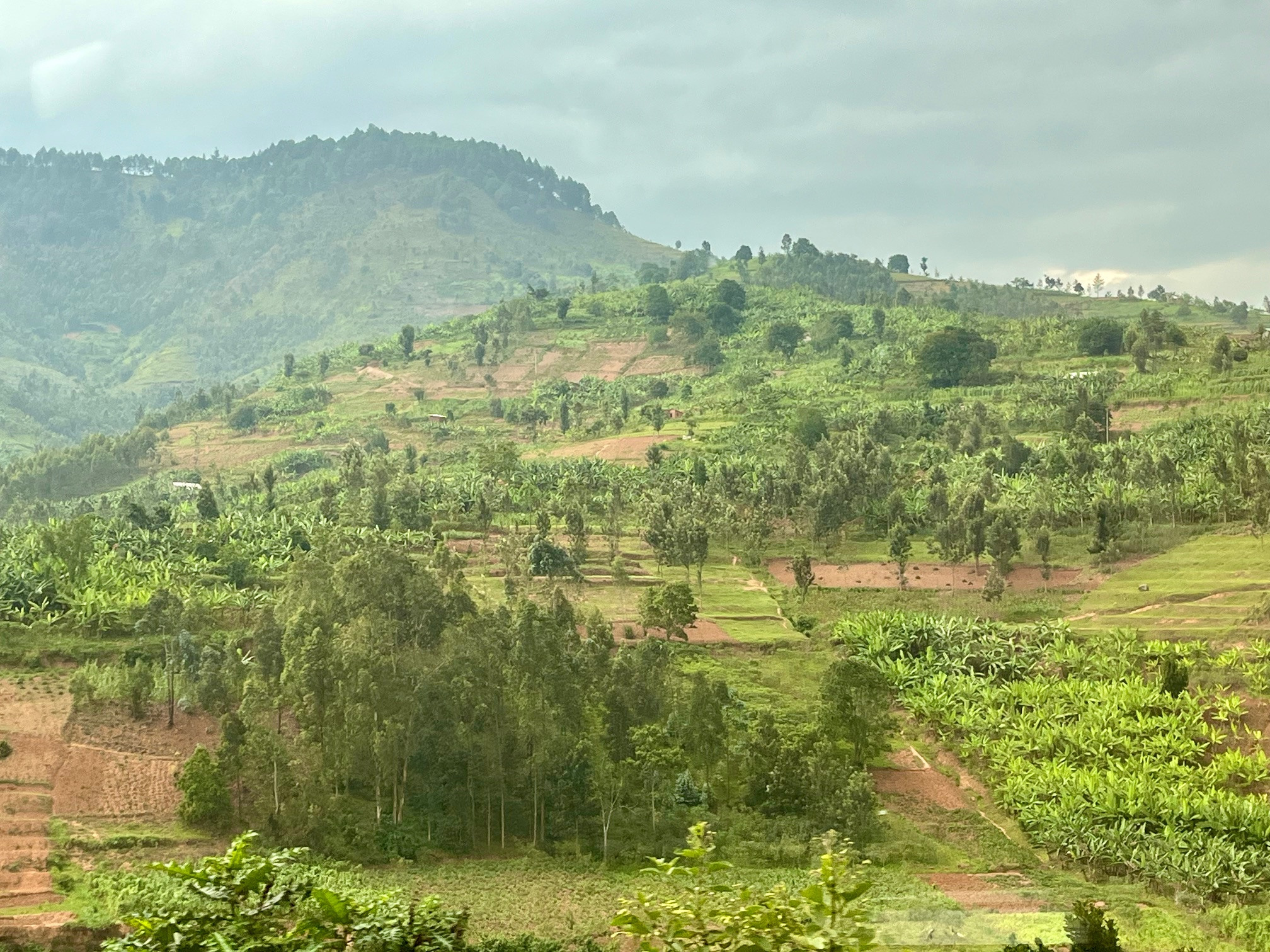
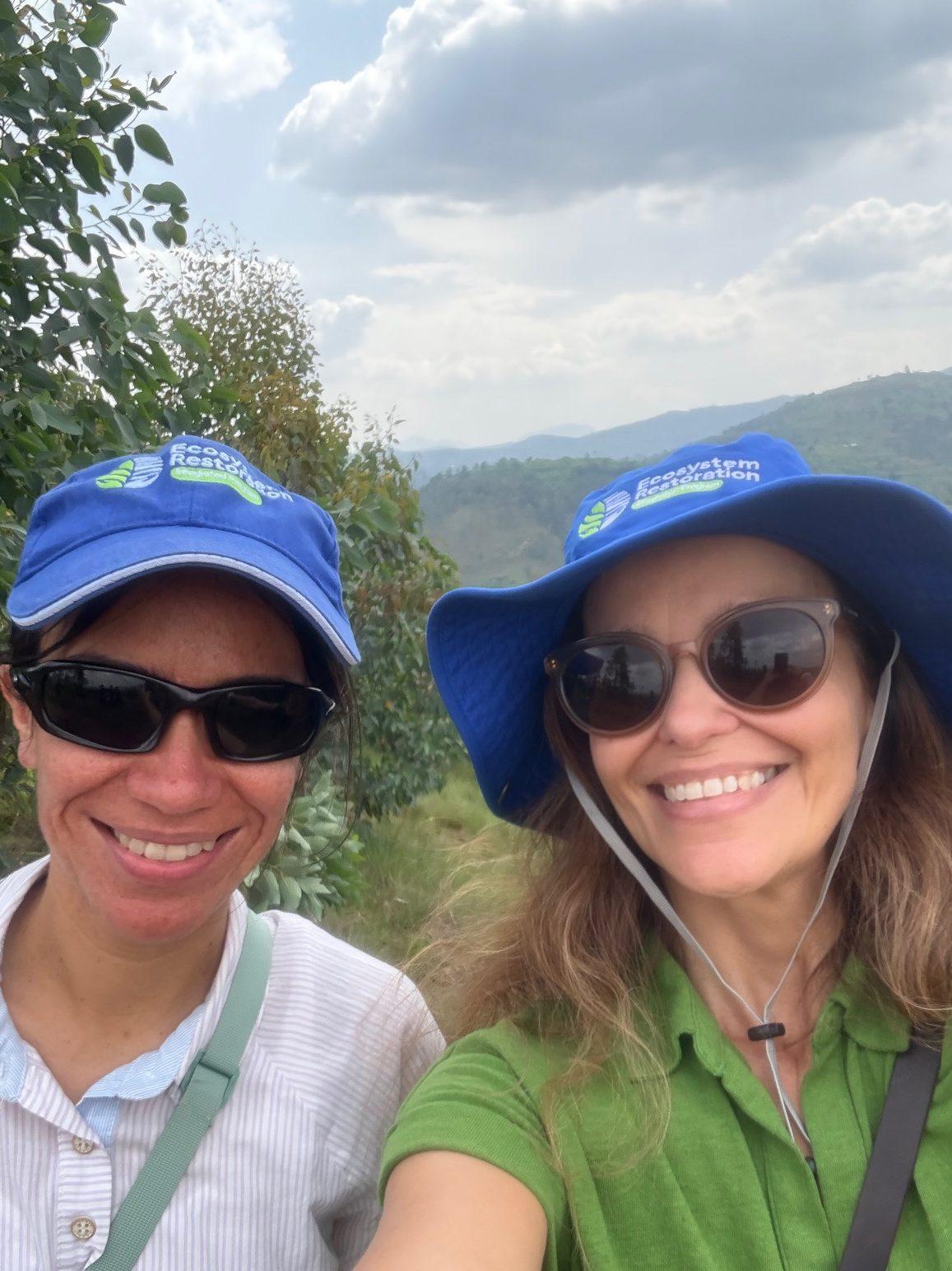
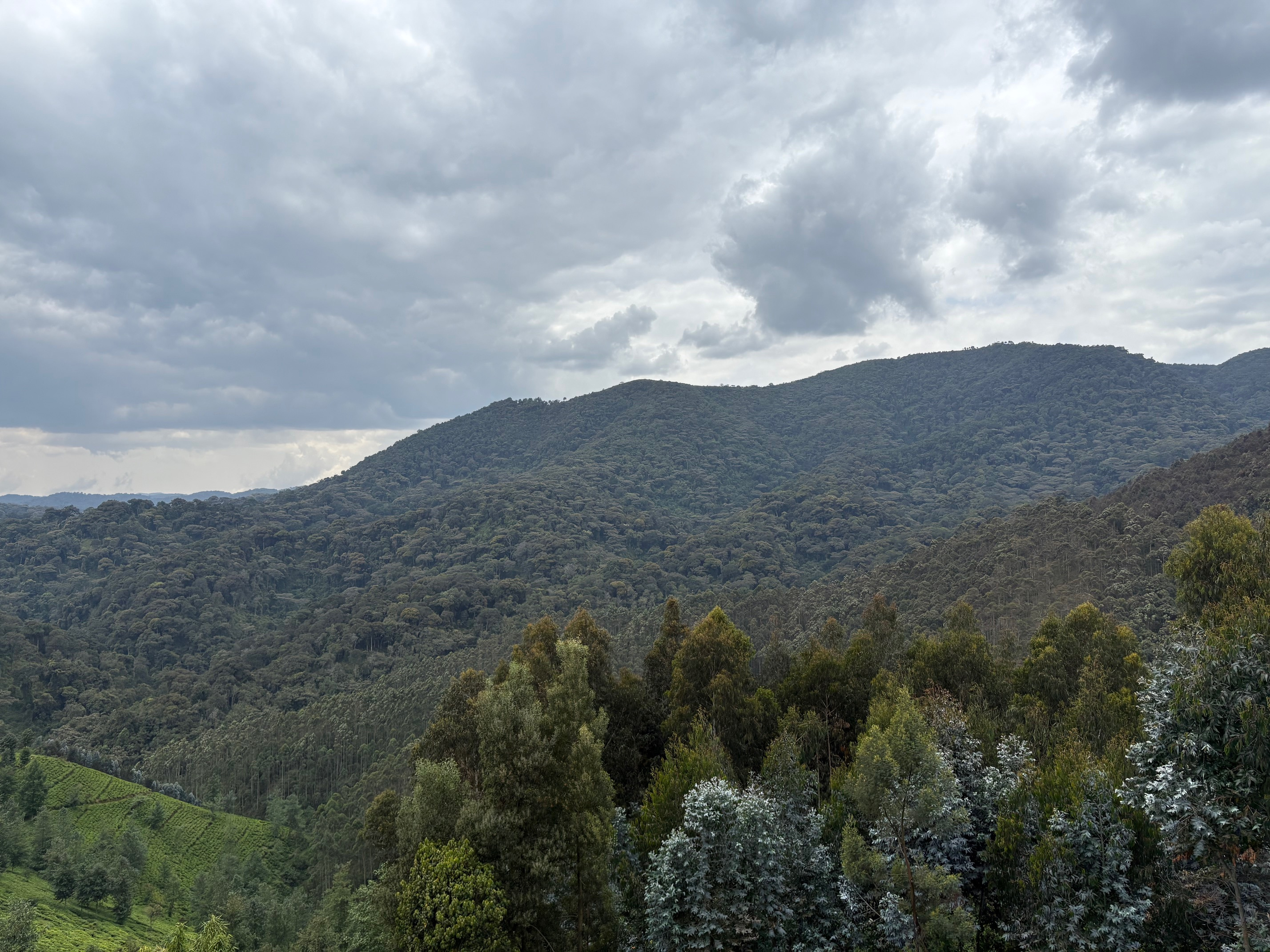
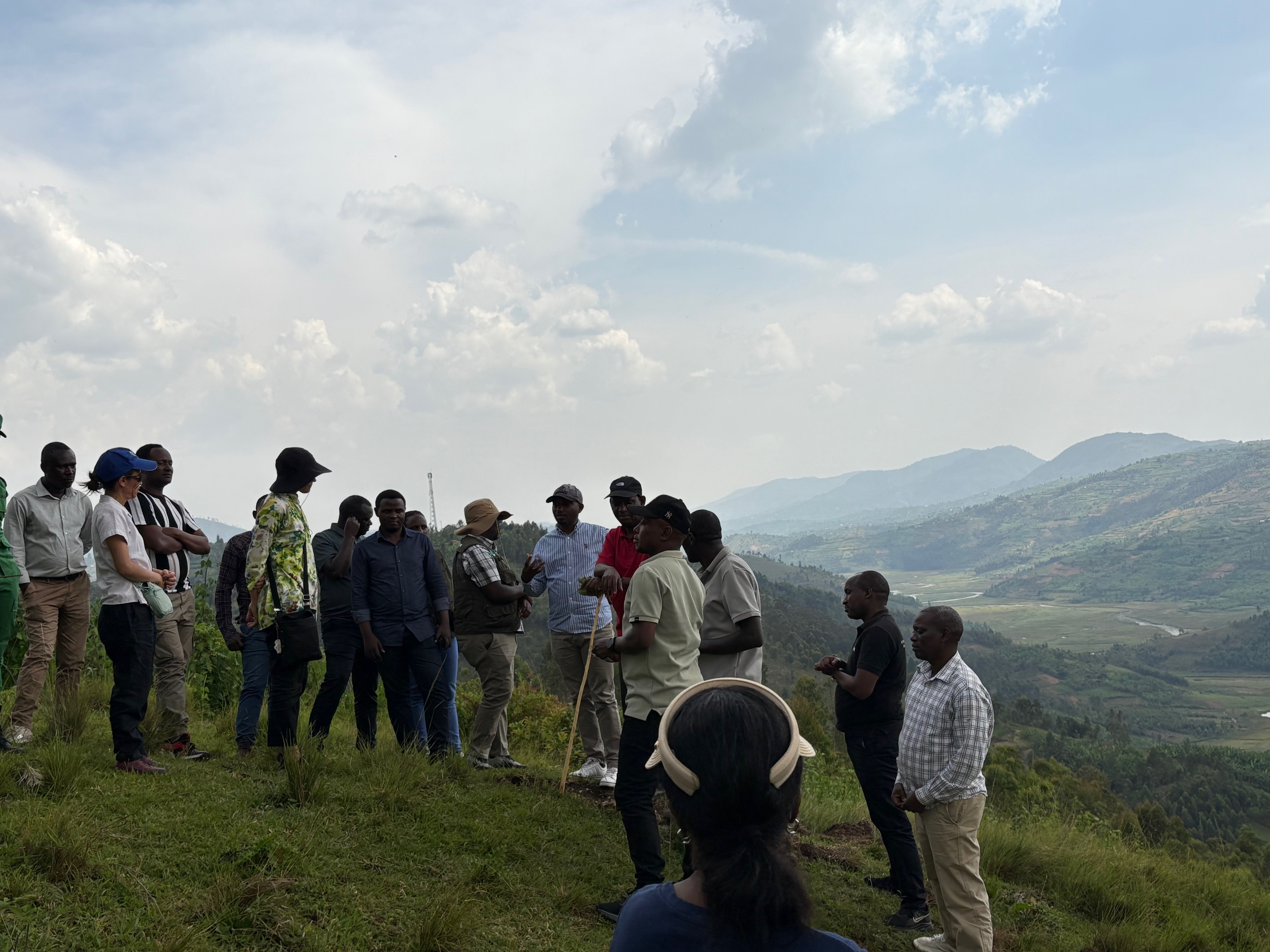
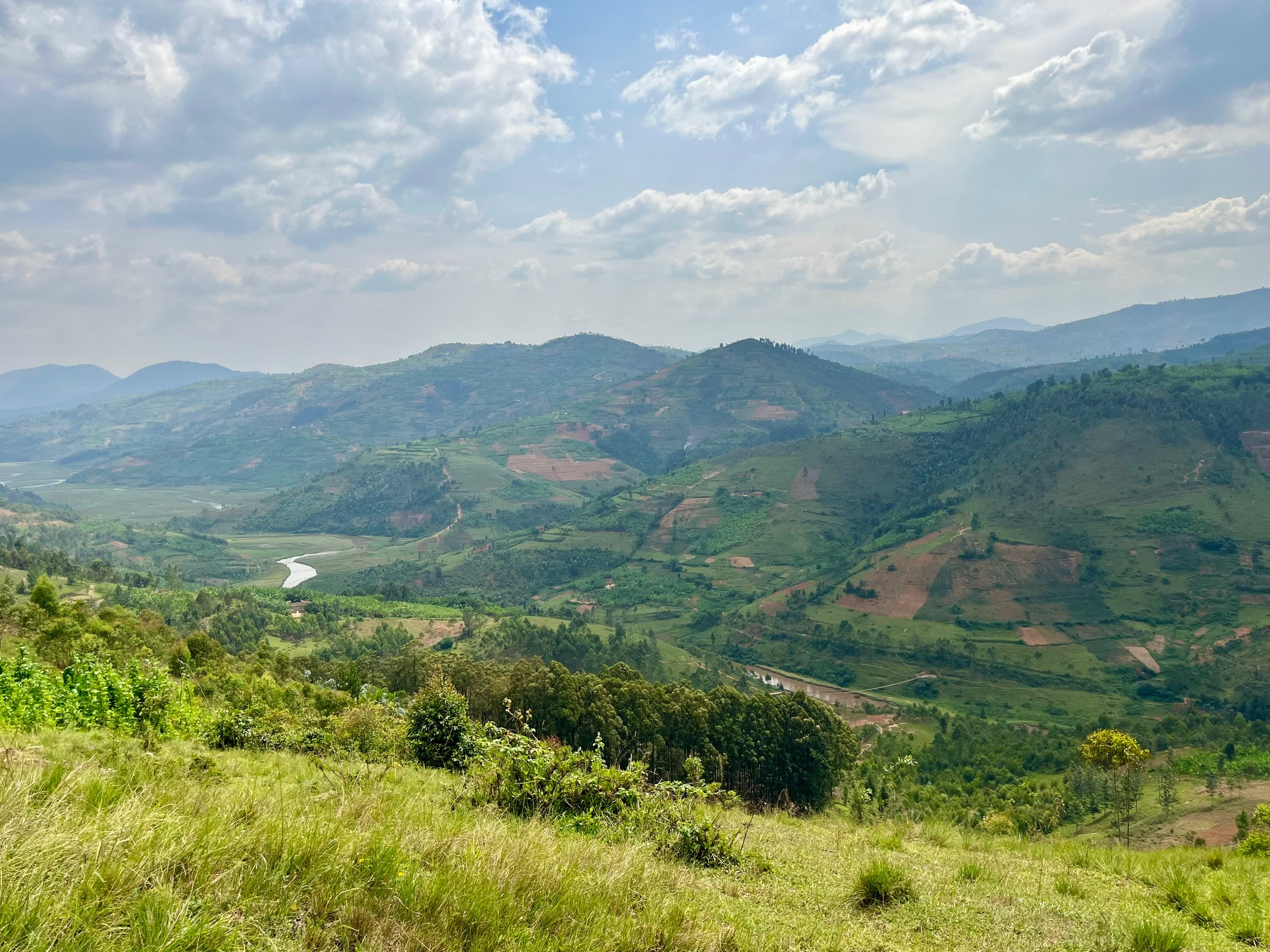
The team traveled across the Southern Province, meeting local leaders in Nyanza, Nyamagabe, and Ruhango Districts and visiting some of the landscapes where restoration activities will take place. The field visits provided a deeper understanding of the social and ecological challenges facing each district. Also, they revealed a landscape full of opportunities: communities eager to engage, strong district leadership, and a clear connection between this project and the national vision that centers restoration in Rwanda’s climate and development strategy.
The project aligns closely with Rwanda’s new Nationally Determined Contributions (NDCs) 3.0 and the Kunming-Montreal Global Biodiversity Framework. It is designed not only to restore ecosystems but to strengthen local resilience and improve lives. Over the starting implementation period, the project is expected to restore more than 2,100 hectares of degraded land, bring nearly 9,000 hectares under improved management, and rehabilitate 200 hectares of degraded wetlands, directly benefiting more than 289,000 people through healthier ecosystems and strengthened livelihoods. Rwanda has also set an ambitious social target: the creation of 12,500 green jobs, underscoring the country’s belief that restoration must drive economic as well as environmental impact.
Much of the mission focused on ensuring readiness—finalizing plans to support the identification of priority restoration sites within each district, and district teams are preparing to develop 50 village land-use plans for the upcoming year that will anchor restoration activities in community priorities. The first National Project Steering Committee meeting, planned for January 2026, will review the strategy and allow implementation to kick off.
The mission also provided an opportunity to situate Rwanda firmly within the broader ERIP community. CI presented the global program’s tools, governance platforms, and 2026 capacity development opportunities. Rwanda will be able to participate in ERIP’s communities of practice, benefit from peer learning, and access technical support ranging from restoration planning and Assisted Natural Regeneration training to broader support for monitoring and greenhouse gas accounting.
What stood out most, however, was the shared sense of commitment from all levels. District officials emphasized the importance of engaging communities from the start to ensure that restoration efforts are meaningful and sustainable. Provincial leaders highlighted the opportunity for Rwanda to demonstrate restoration impact not only nationally, but regionally and globally.
“Rwanda’s ERIP project contributes to a new and ambitious programmatic approach to sustainable land management (SLM) of the Government of Rwanda, guided by an SLM Investment Framework (SLM-IF) developed in collaboration with the World Bank, both approved by the Cabinet on November 28, 2025.” says Tuuli Bernardini, Senior Environmental Specialist and project’s Task Team Leader by the World Bank, based in Kigali.
As the mission concluded, there was a strong feeling of momentum. The foundations for implementation are now in place, and the partnerships across government, the World Bank, and now CI, are solid and collaborative. With its combination of ecological ambition, community engagement, and a clear socio-economic vision, the Nyungwe–Ruhango corridor project is poised to become a powerful example of how restoration can deliver benefits for both people and nature.