Vietnam

  • Red River Basin

River ecosystems, forests/watersheds, agro-ecosystems, wetlands

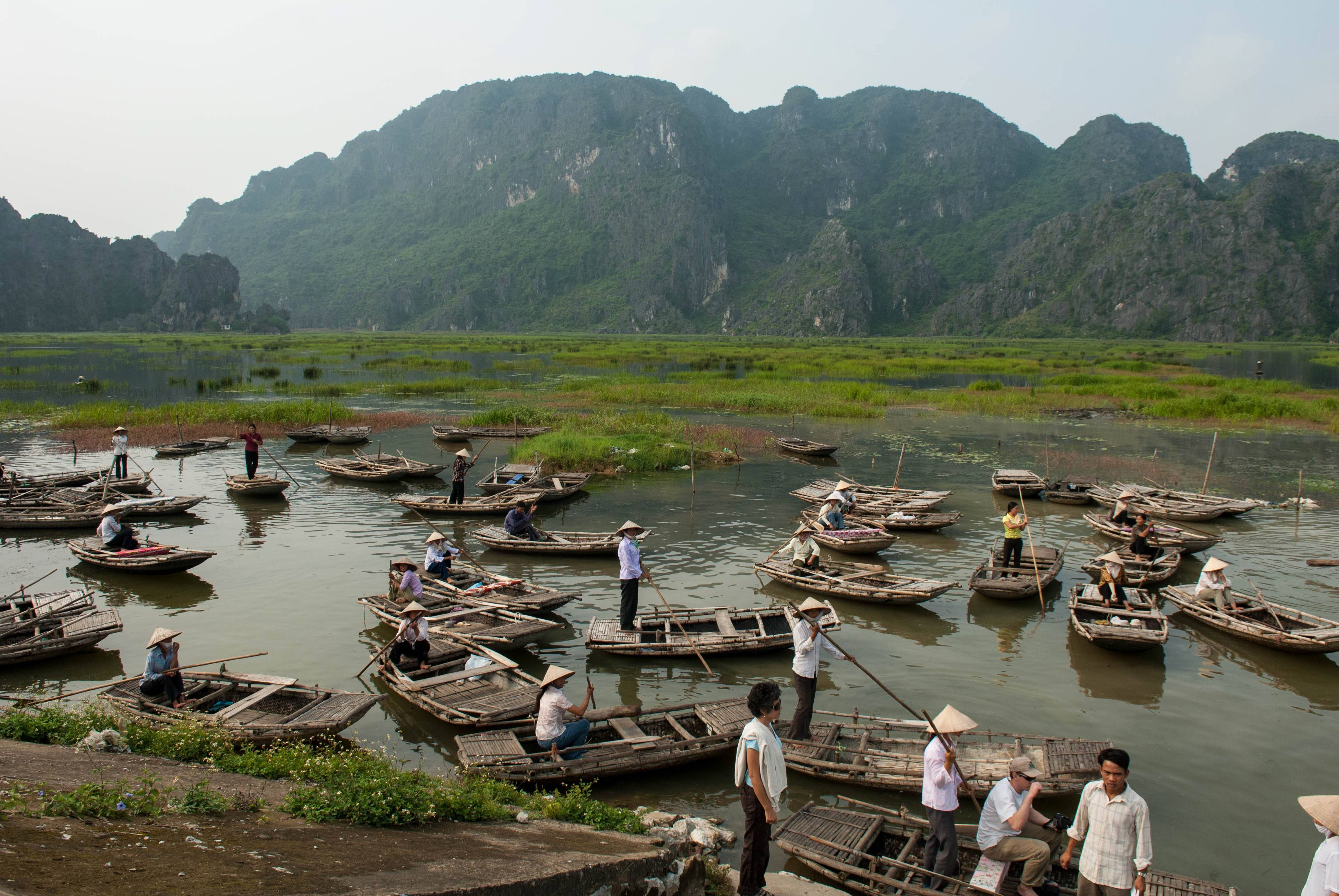
In Vietnam’s Red River Basin, efforts are underway to restore degraded terrestrial protected areas and surrounding landscapes. These ecosystems play a key role in conserving biodiversity, regulating water resources, and supporting local livelihoods. However, unsustainable land management and the impacts of climate change have led to biodiversity loss and a decline in essential ecosystem services.

  • Inclusive Policies
  • Financial Mechanisms
  • Knowledge Management

Targets and Global Environmental Benefits (GEB)

  • 200K

    Hectares 
    under restoration

  • 700K

    Hectares under
    improved practices

  • 6.5M

    metric tons CO2eq mitigation

  • 40K

    Direct
    Beneficiaries

Property 1 Soil Ci 97613849

Restoration Ambition

In Vietnam’s Red River Basin, a new initiative is advancing integrated water resources management and ecosystem restoration to strengthen water security, biodiversity, and local livelihoods. The project is working to create the conditions needed to scale restoration efforts, while piloting incentive mechanisms aimed at improving the well-being of local communities. 

The approach includes comprehensive assessments, the development of inclusive policies, and the establishment of multi-stakeholder platforms. Restoration activities will test incentive-based models, introduce innovative practices, and implement adaptive management plans. Financial strategies are also being developed to support long-term restoration through incentive mechanisms. Knowledge sharing is a core component, with activities such as study tours, knowledge product development, and participation in global dialogues.  

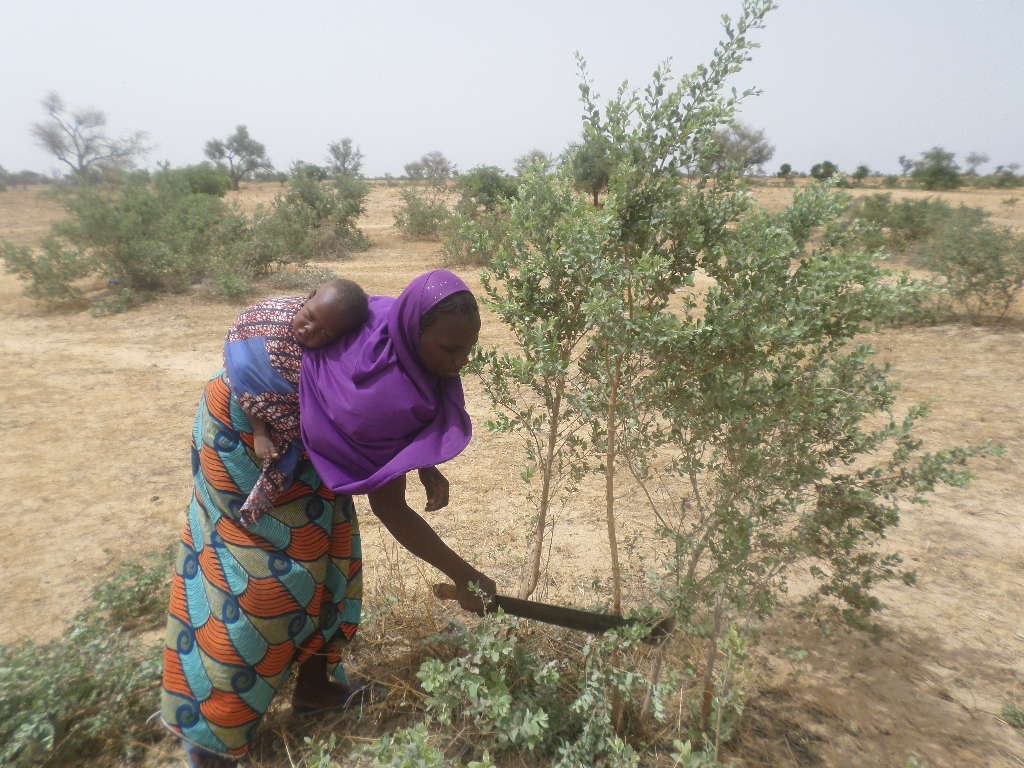
Photo credit: © Rod Mast

Key Partners and Roles

The Food and Agriculture Organization of the United Nations (FAO) is responsible for overall implementation and oversight. Execution and management are led by the Department of Water Resources Management under Vietnam’s Ministry of Natural Resources and Environment. 

The International Union for Conservation of Nature (IUCN) contributes technical expertise in biodiversity, ecosystem and landscape restoration, hydrology, water management, and water governance and policy. Local communities are directly involved in restoration activities and are expected to benefit from improved livelihoods and access to basic services. 

The private sector is engaged in financing mechanisms, while local non-governmental organizations play a key role in facilitating community engagement. 

Supported by

  • Component 9

Led by

  • FAO logo

In Partnership with

  • Department of Water Resources Management DWRM Ministry of Natural Resources and Environment Government of Vietnam logo

.

  • IUCN logo

Our Funding

Impact card image 01

7Million

GEF grants

Impact card image 06

50Million

co-funding

  • 1
  • /
  • 2
  • 1
  • /
  • 2
Property 1 Leaf Ci 23676100

How Vietnam
will achieve this

Vietnam’s approach to restoring ecosystems and managing water resources in the Red River Basin is built on a combination of participatory planning, policy development, innovation, and long-term investment. The following four focus areas outline how these goals will be achieved:

  • Participatory Assessments

    The project will conduct comprehensive participatory assessments of ecological health at the basin level to inform restoration planning and decision-making. 

  • Policy Development

    Inclusive and coherent policies related to restoration will be developed, alongside the establishment of multi-stakeholder and inter-provincial platforms to support policy dialogues and coordination. 

  • Restoration Mechanisms

    Incentive mechanisms and innovative practices for ecosystem restoration will be piloted. The project will also support the development of adaptive management and action plans, based on assessments and design of these mechanisms. Restoration Mechanisms 

  • Strategic Planning

    A decision support system (DSS) will be developed to improve decision-making on ecosystem restoration and water resources management. Long-term strategies and investment plans will also be created to guide future restoration efforts.


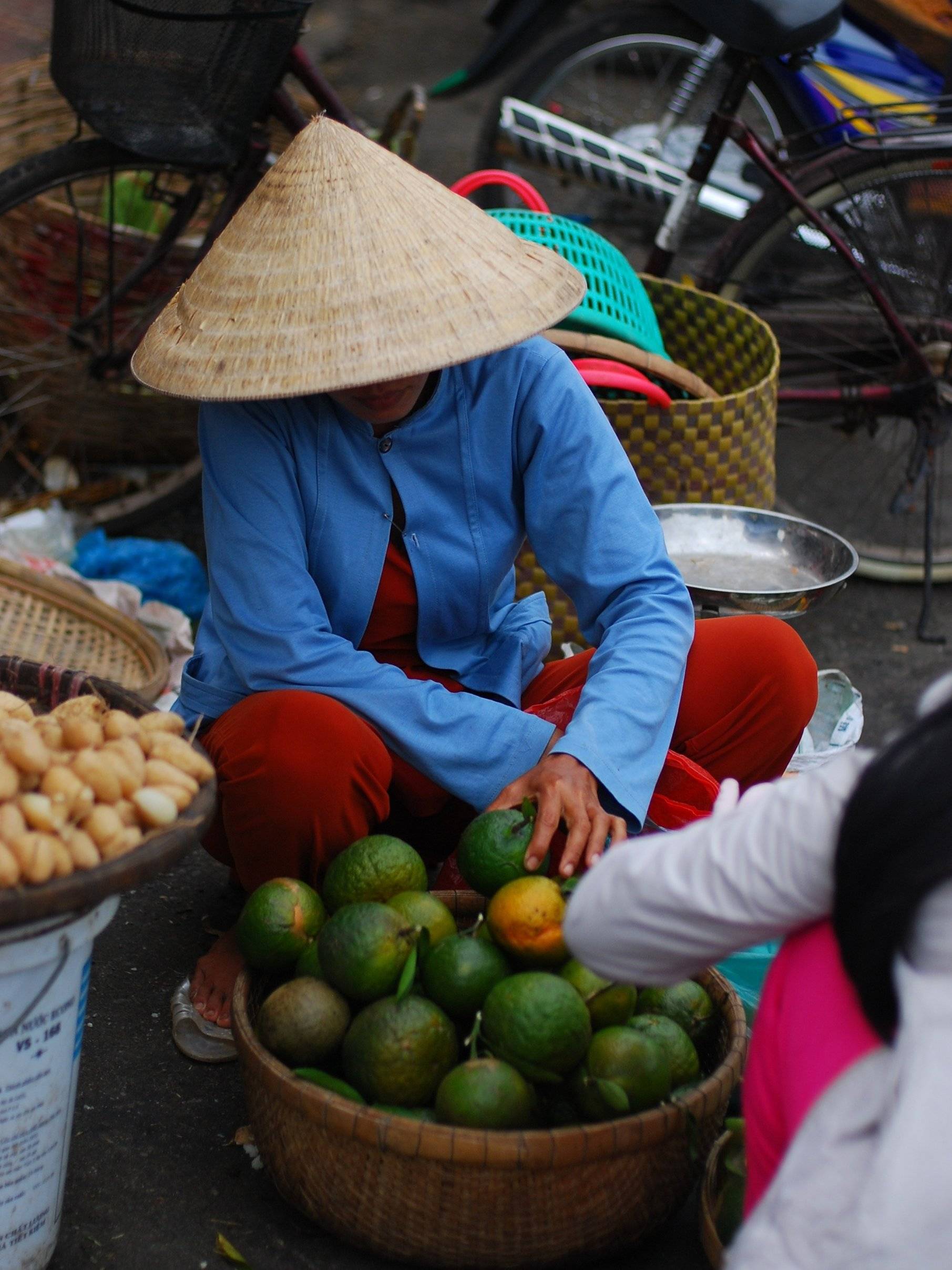
    Photo credit: © Amir Jina

Related News

Related News

  • Annual Events

    Lorem ipsum dolor sit amet lorem ipsumdolo.

    Lorem ipsum dolor sit amet, consectetur adipiscing elit psum dolor sit amet,.

    Arrow Right
  • Flemingo
    Annual Events

    Lorem ipsum dolor sit amet lorem ipsumdolo.

    Lorem ipsum dolor sit amet, consectetur adipiscing elit psum dolor sit amet,.

    Arrow Right
  • Flemingo
    Annual Events

    Lorem ipsum dolor sit amet lorem ipsumdolo.

    Lorem ipsum dolor sit amet, consectetur adipiscing elit psum dolor sit amet,.

    Arrow Right
  • Rwanda Field Mission 20256
    News

    Restoration Progress in Rwanda: Highlights from the First Field Mission

    From December 1–5, 2025, Conservation International (CI) joined the World Bank and the Rwanda Environment Management Authority (REMA) for the World Bank’s First Implementation Support Mission of the Ecosystem-Based Restoration Approach for the Nyungwe–Ruhango Corridor Project. 

    Card arrow right white
  • Angola Inception Workshop 3
    News

    Inception Workshop Marks Start of Restoration Work in Angola

    Angola has begun implementation of the Sustainable Ecosystem Restoration Project in the Extended Central Plateau, part of the Ecosystem Restoration Integrated Program (ERIP). The project focuses on restoring Miombo forest landscapes, grasslands, wetlands, and peatlands, protecting key river headwaters, and strengthening community-based natural resource management across the provinces of Huambo, Bié, and Moxico.

    Card arrow right
  • SER ERIP 2025
    News

    ERIP Showcases Global Collaboration at SER 2025 Conference in Denver

    The Ecosystem Restoration Integrated Program (ERIP) was featured at the Society for Ecological Restoration (SER) 2025 Conference in Denver, held from September 30 to October 4. The event brought together restoration leaders and practitioners from around the world, offering a platform to exchange insights and strengthen collaboration across regions and disciplines.

    Card arrow right