
Thinking Head

Learning Center

Welcome to your gateway to impactful restoration. Dive into expert-led training, discover best practices, and join a community of practice to learn, share, and grow together.  

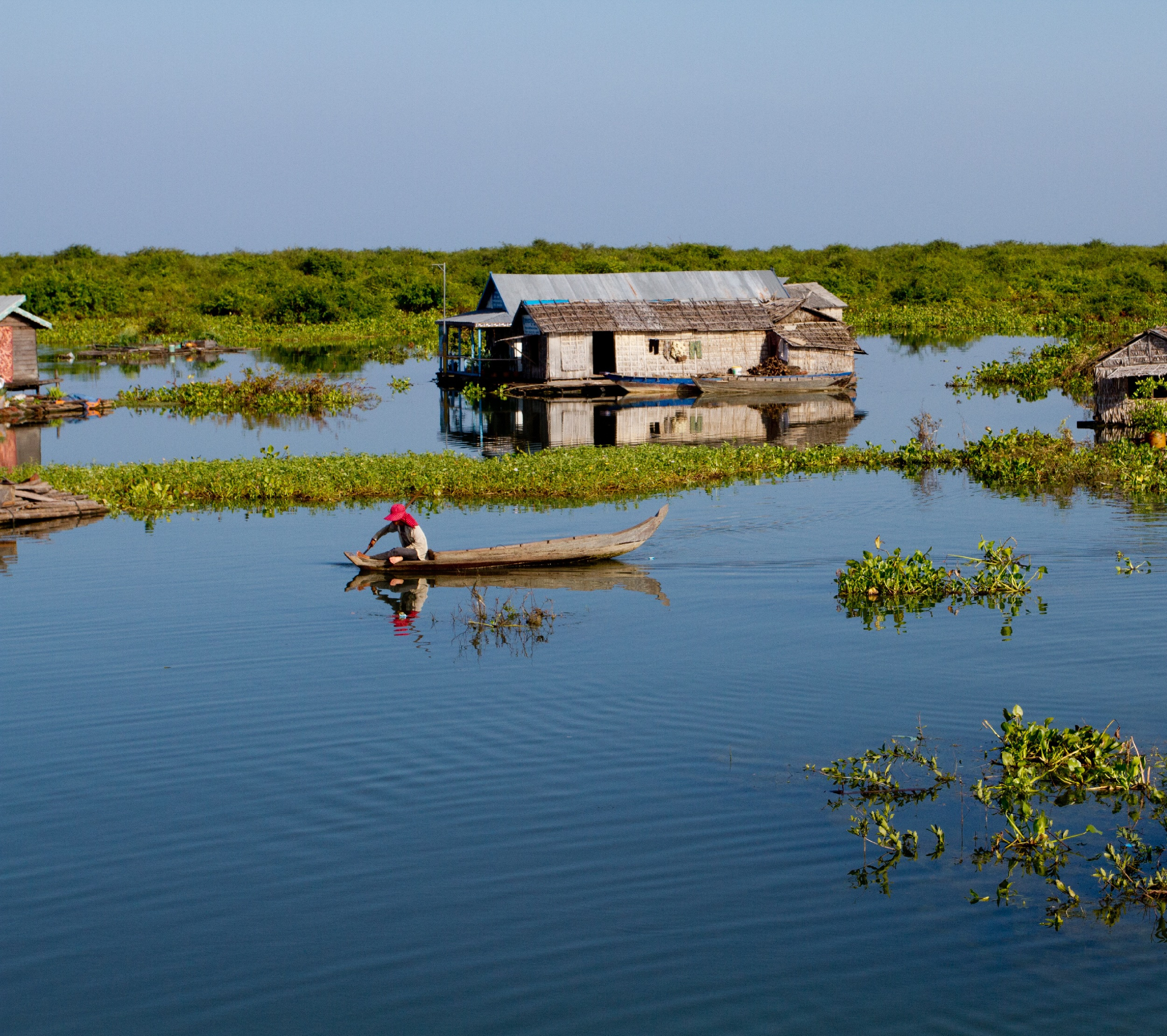
Photo credit: © Conservation International/ Elidon Sitio

Image BG Finger Print Ci 10383846 min

Ecosystem Restoration Learning: Overview of ERIP's Training Opportunities

This platform is built for country teams, project leads, and all key stakeholders working to restore ecosystems at scale. It brings together the tools, knowledge, and support needed to navigate challenges and deliver lasting impact. Dive into training and best practices tailored to your role—from planning and implementation to financing and reporting. Whether you're launching new efforts or expanding existing ones, this is your space to move restoration forward. Here’s what you can expect to learn in the coming years.

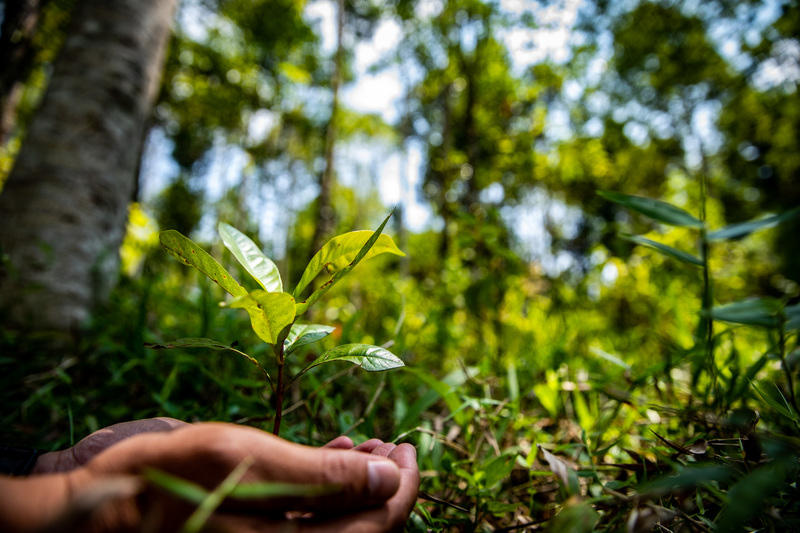
1. LOOC: Local Open Online Course

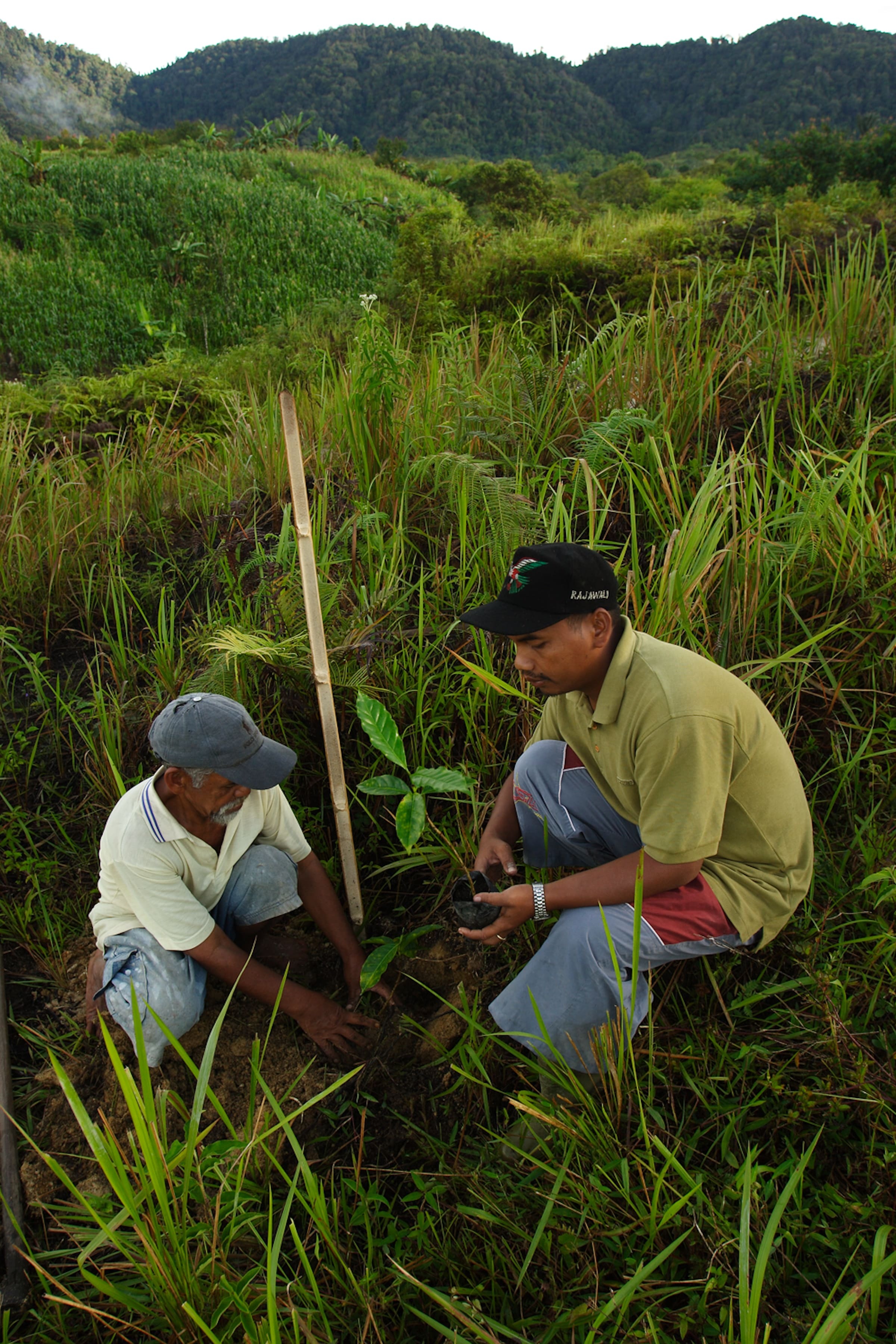
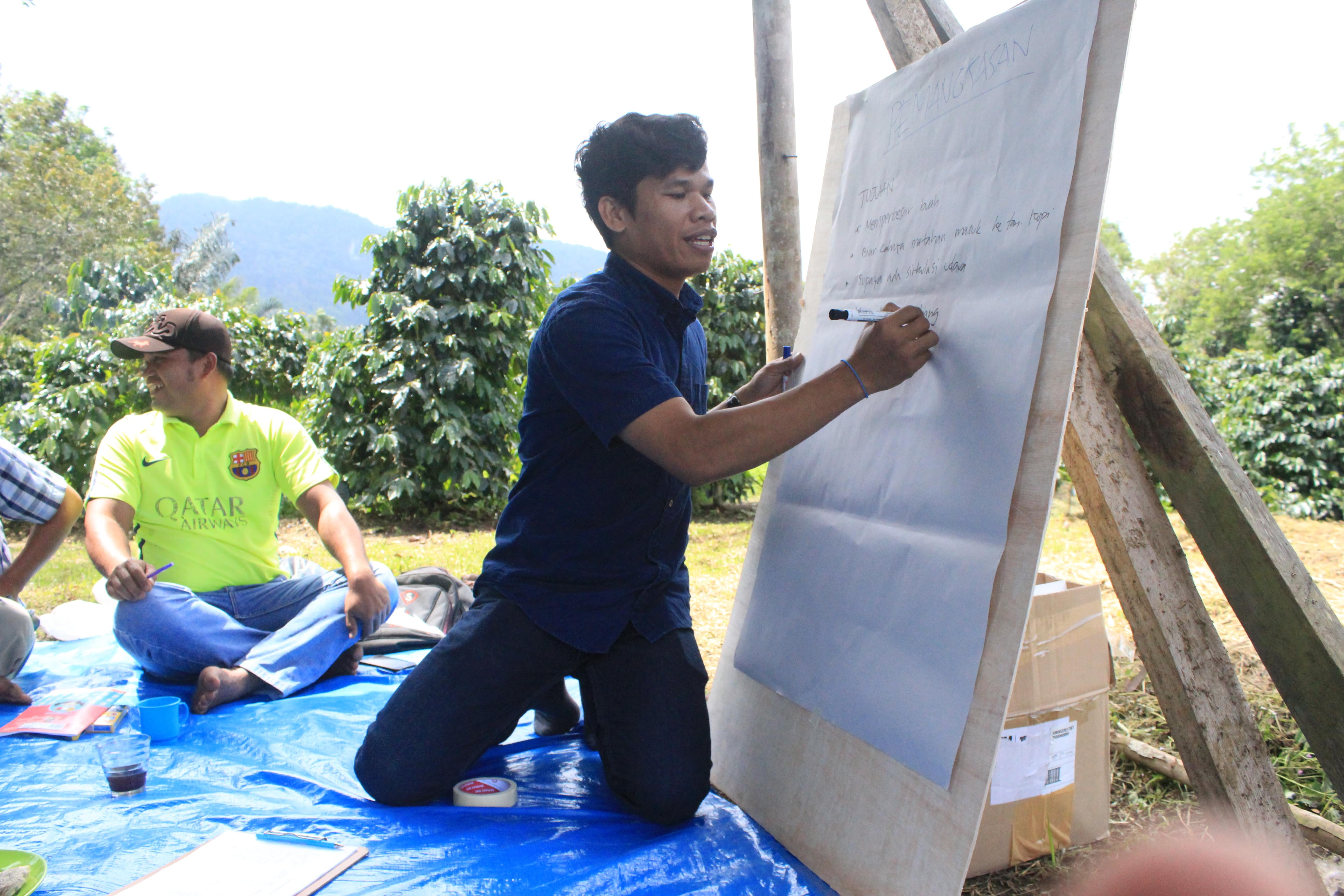
Dive into a dynamic, needs-based course designed to improve your restoration skills. Interactive modules will guide you through strategies to implement effective, nature-positive solutions across diverse landscapes.Photo credit: © Benjamin Drummond

Ci 32422235 min

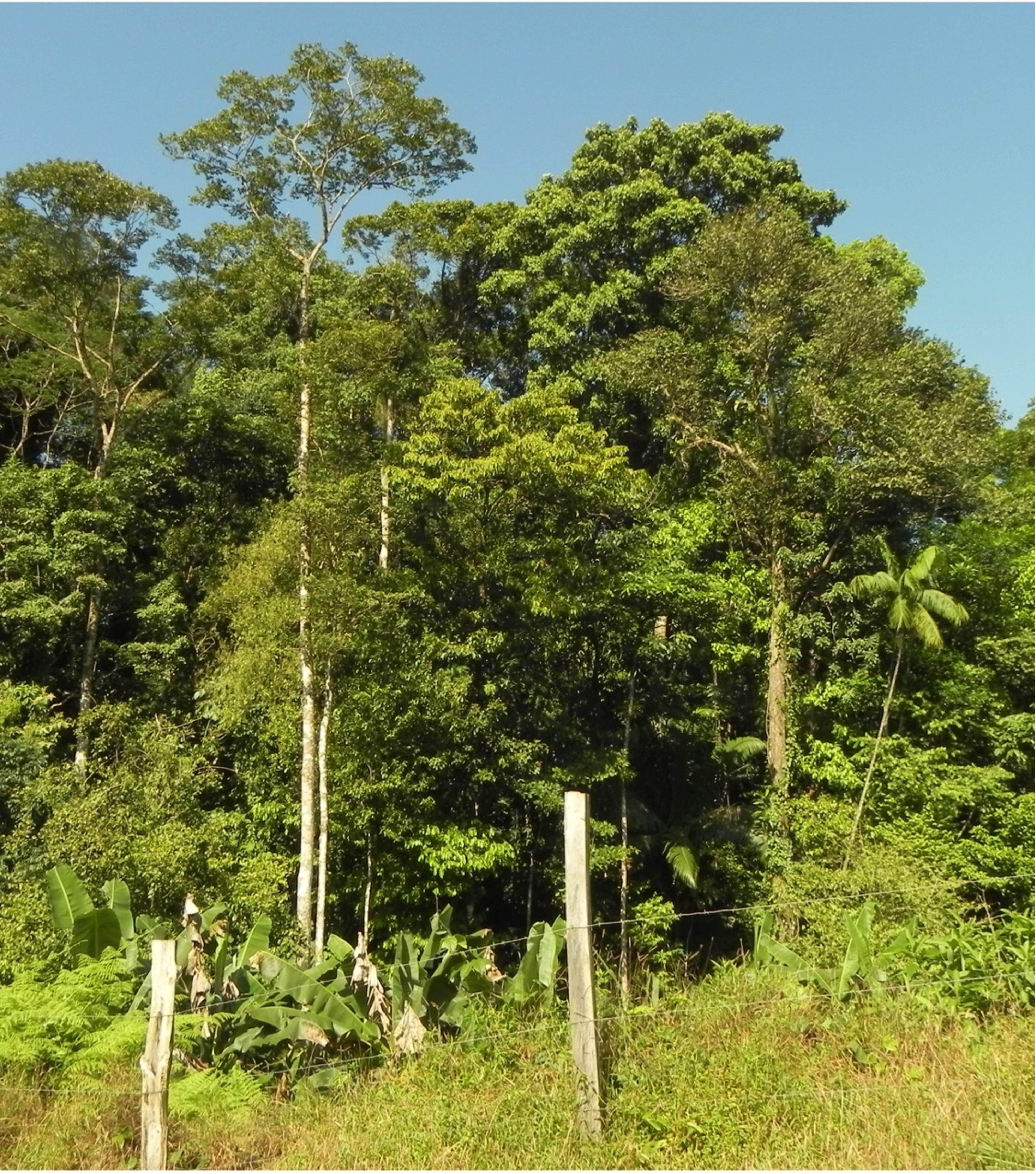
2. Standards of Practice for Ecosystem Restoration

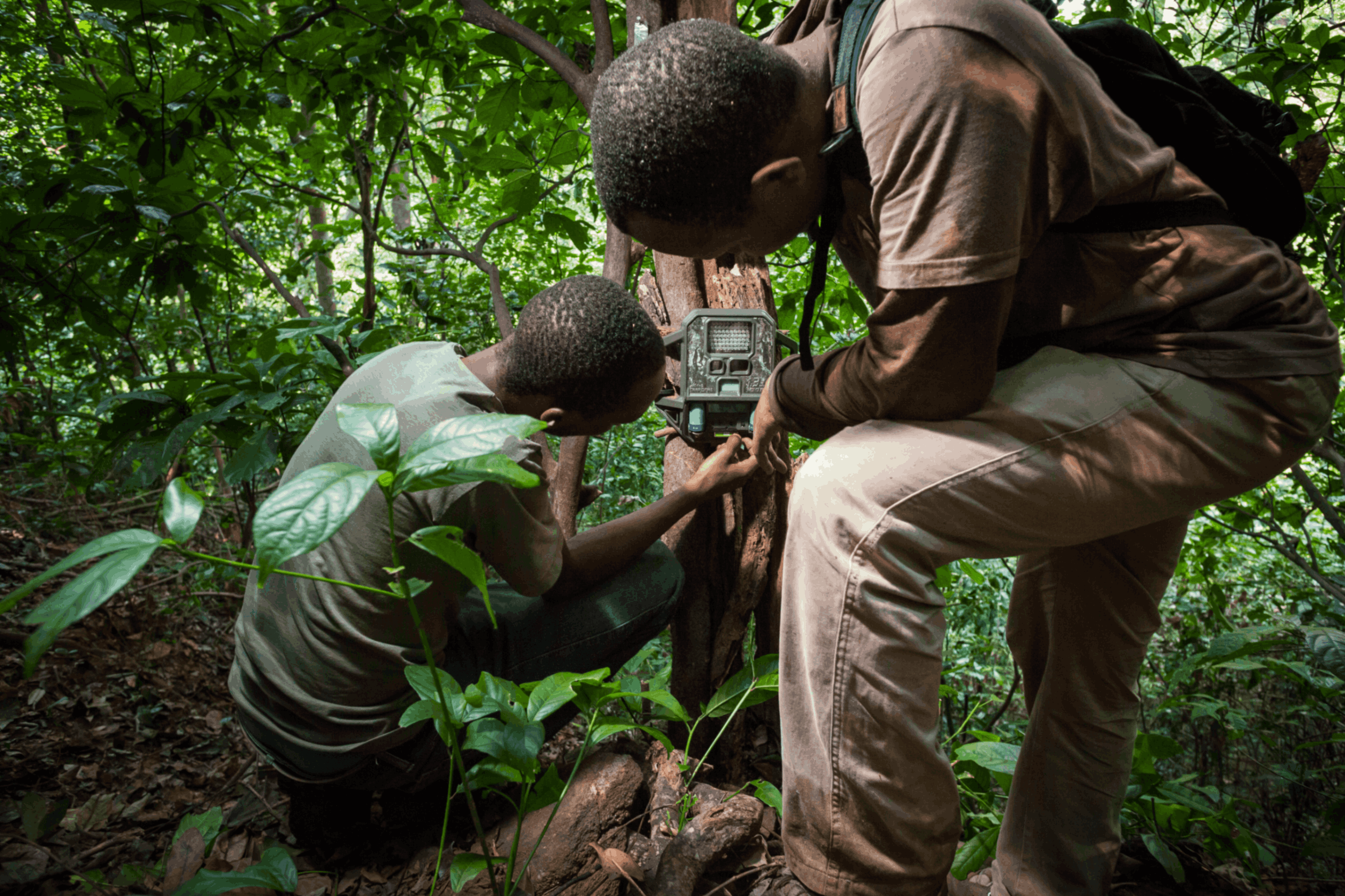
Learn how to use the UN Decade’s multi-tool platform. Gain knowledge on how to apply global standards in your restoration work. Photo credit: © Conservation International/photo by Víctor Martinez

Ci 46952943 min

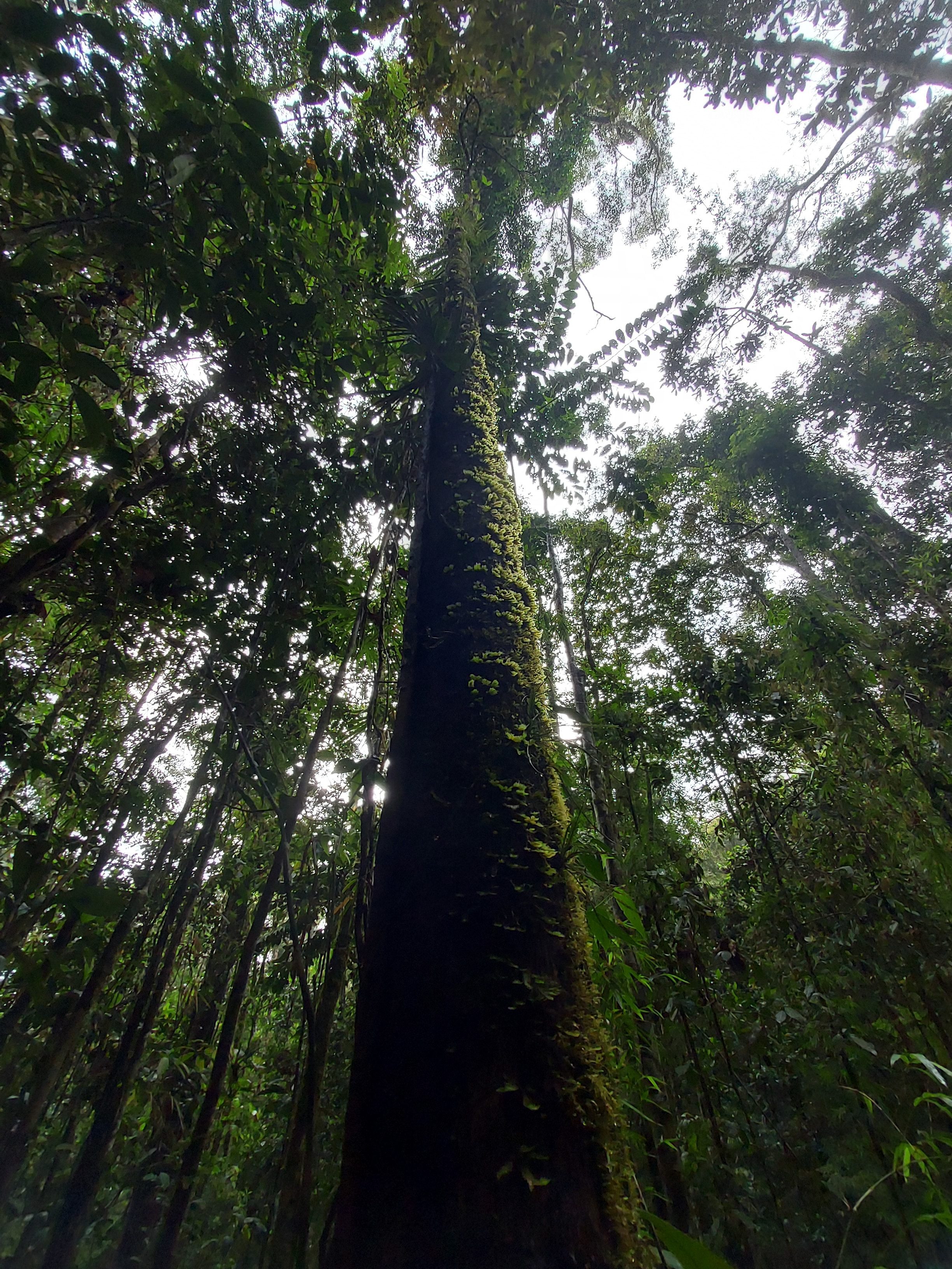
3. ANR Practitioner Training: Natural Regeneration in Action

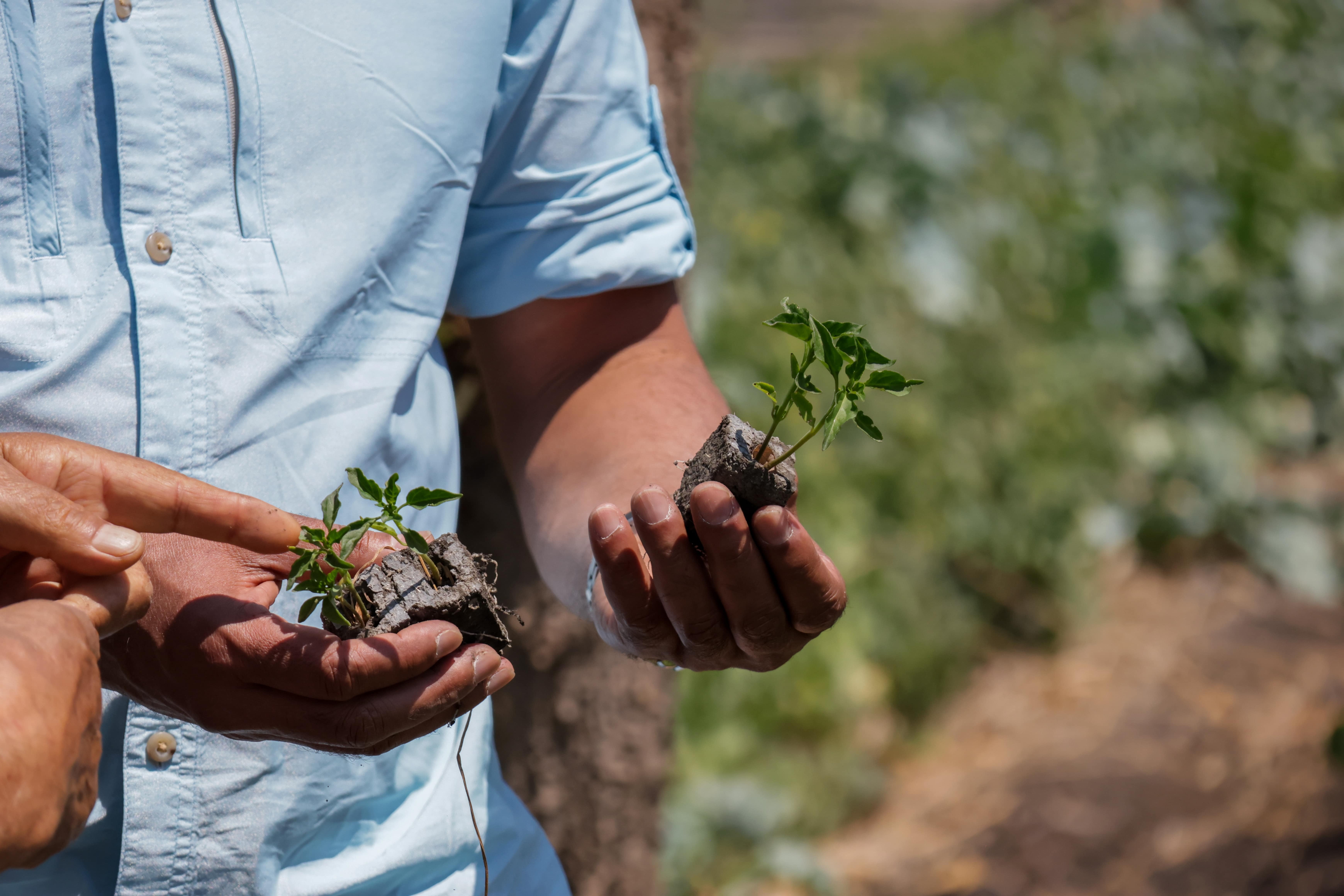
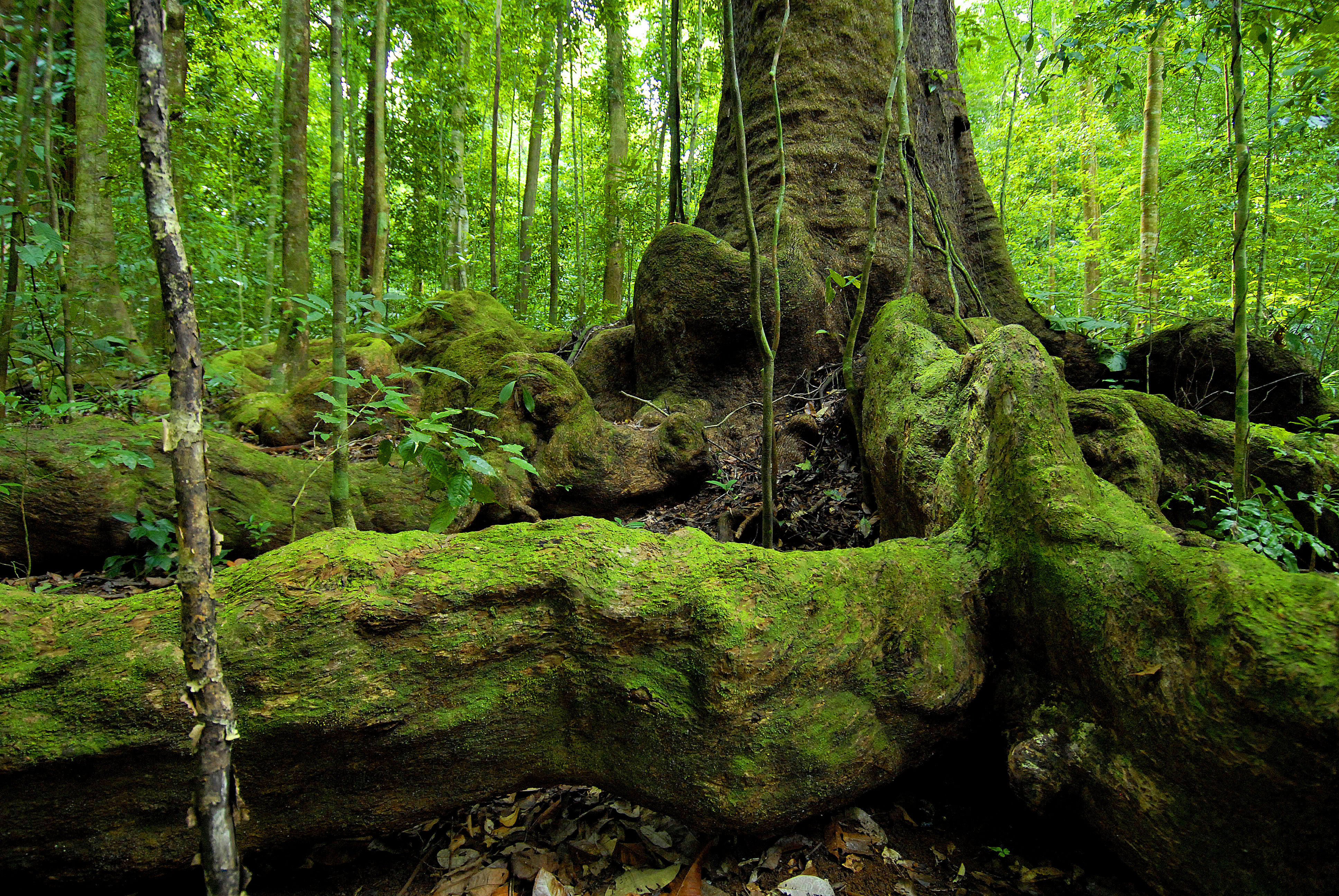
Discover cost-effective restoration through Assisted Natural Regeneration (ANR). Learn to assess sites, engage communities, and scale restoration using practices that harness nature’s own regenerative power. Photo credit: © Trond Larsen
Ci 79577500

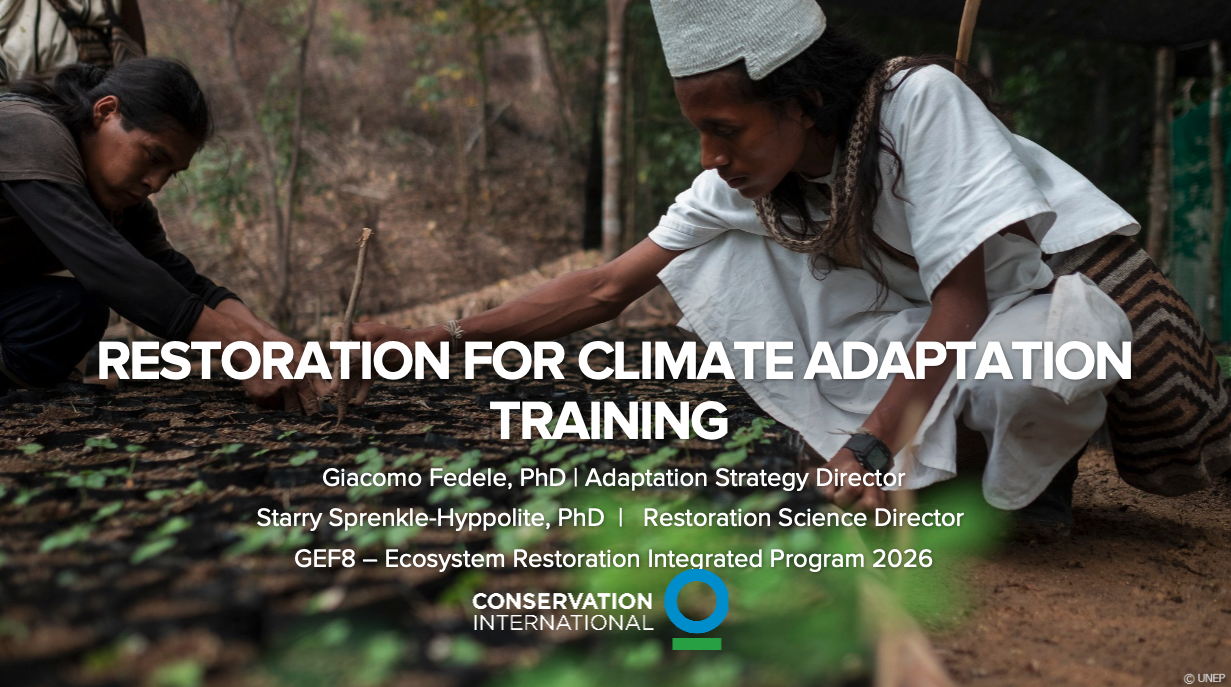
4. Restoration for Climate Resilience

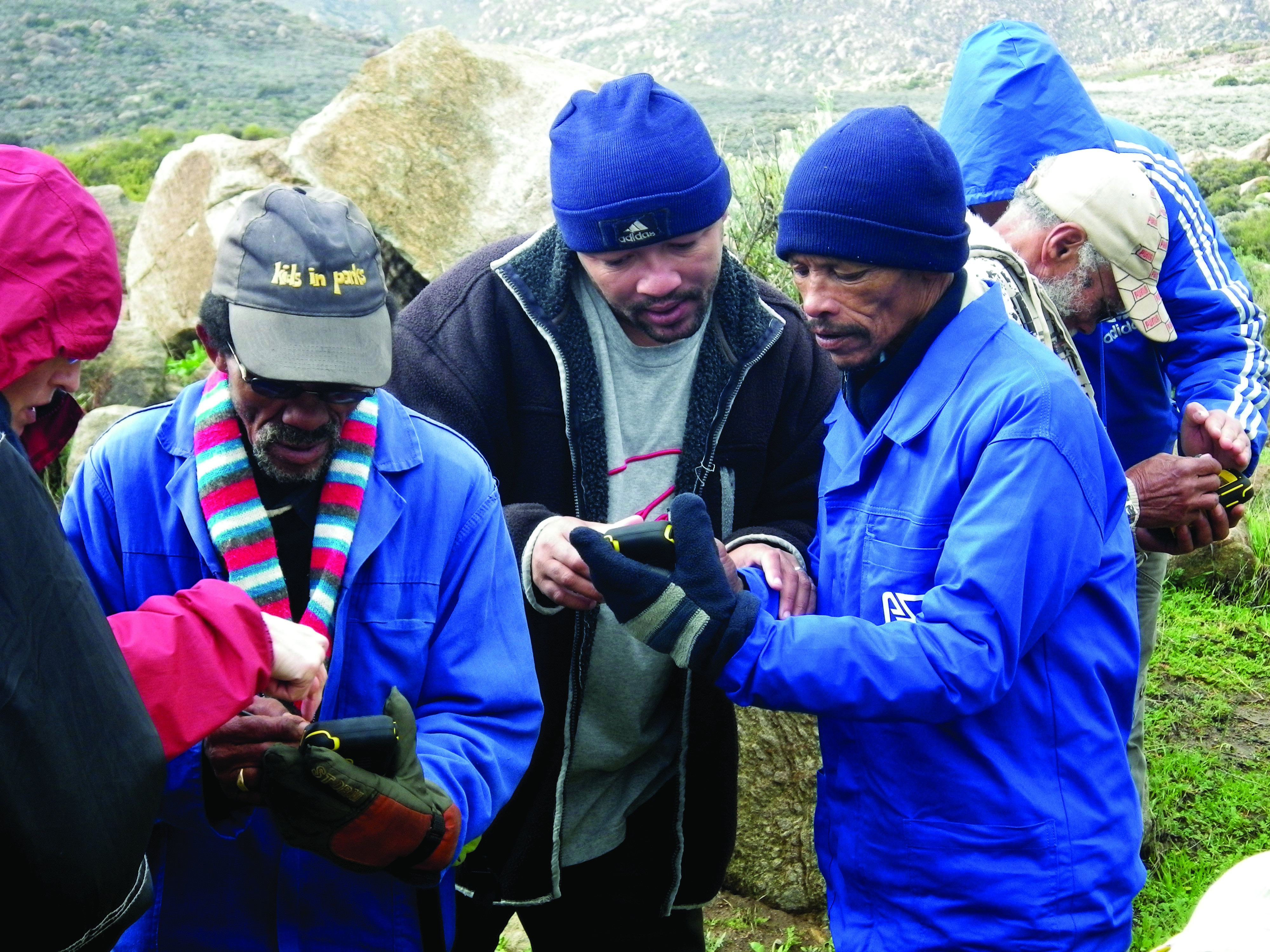
Explore how nature-based solutions enhance climate adaptation. This training will empower you to design, implement, and monitor restoration strategies that deliver climate resilience and multiple co-benefits for communities. Photo credit: © Conservation International/photo by Tantyo Bangun

Ci 13869376 min

5. Framework for Ecosystem Restoration Monitoring

Use FERM to track restoration progress. Build skills in ecosystem typology, indicators, and verification methods to ensure data-driven restoration aligned with global biodiversity goals. Photo credit: © Conservation International/photo by Malinda Gardiner

Ci 96308601

Communities of Practice

The Community of Practice brings together people working on restoration to share knowledge, ask questions, and find solutions. It’s a space to learn from real experiences, exchange tools and ideas, and collaborate across projects and regions. Together, members help improve the way restoration is planned, implemented, and measured.

ERIP’s Communities of Practice are launching soon. Stay connected to be part of the conversations.

  • Community of Practice on Freshwater Restoration
    Fresh water

    Community of Practice on Freshwater Restoration

    The Freshwater Restoration Community of Practice (CoP) brings together practitioners working to restore rivers, wetlands, and watersheds, providing a collaborative space to share practical experience, address common challenges, and strengthen restoration efforts—from policy design to on-the-ground implementation.

  • Community of Practice on Assisted Natural Regeneration (ANR)
    ANR Alliance photo

    Community of Practice on Assisted Natural Regeneration (ANR)

    The Assisted Natural Regeneration (ANR) Community of Practice (CoP) is a collaborative knowledge exchange and learning space for implementers, decision-makers, practitioners and researchers working to scale up ANR within restoration programs.