Restoring Land for the Long Term: ERIP at UNCCD COP17
Up to 40% of the world's land is degraded, while countries have committed to restoring more than one billion hectares by 2030. More than 70 countries now have national drought plans, but financing and implementation continue to lag behind the scale of the challenge.
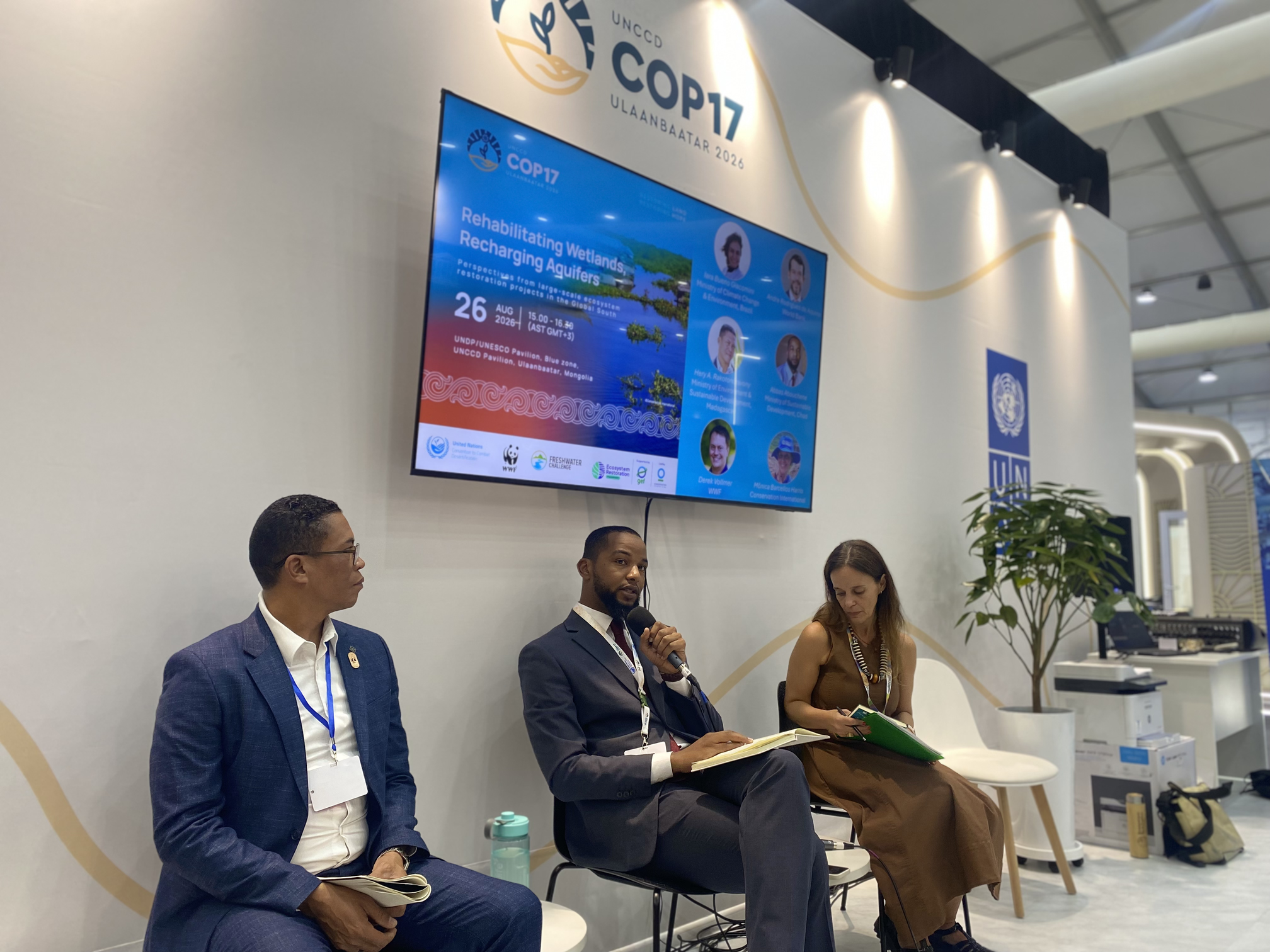
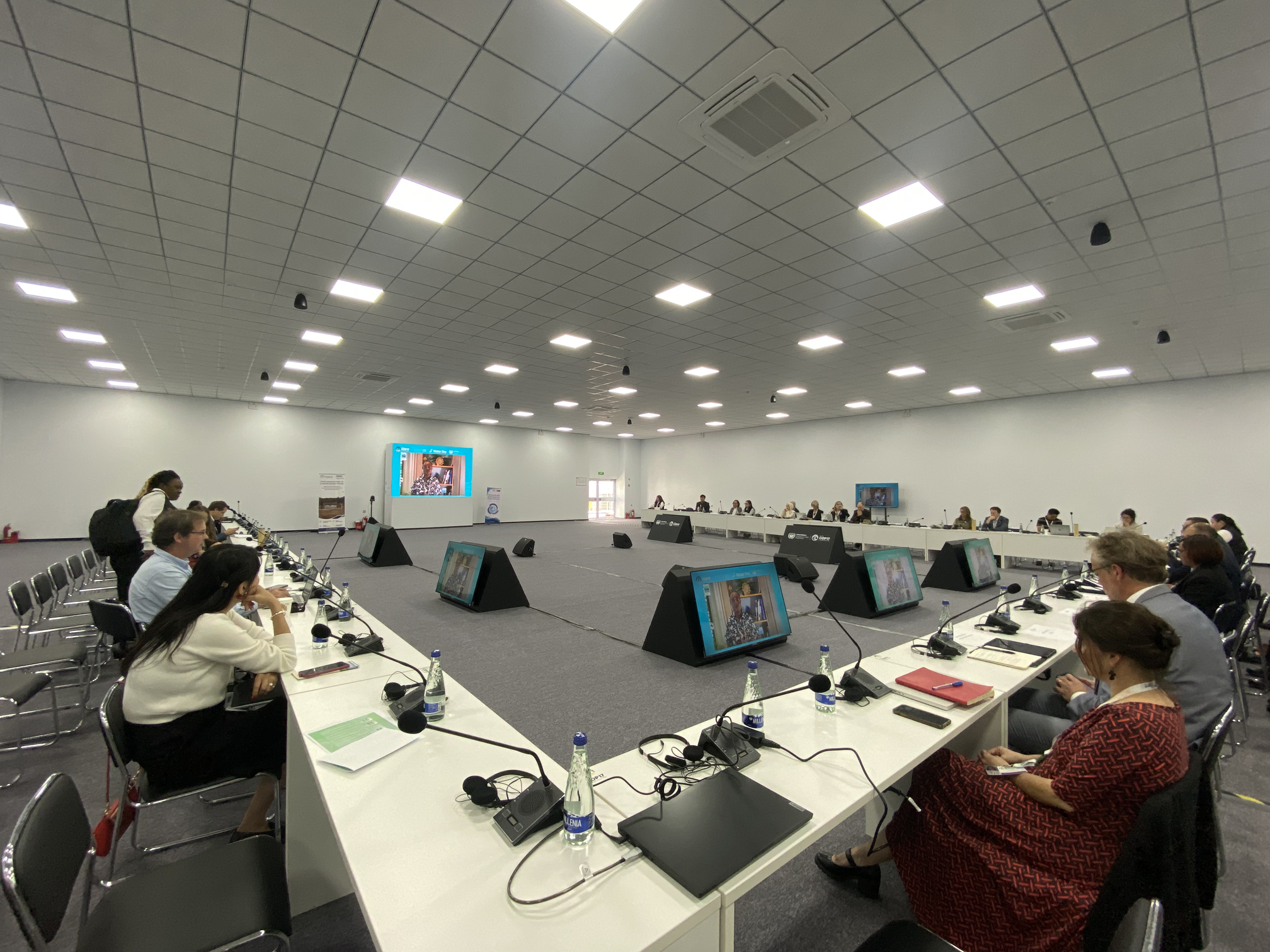
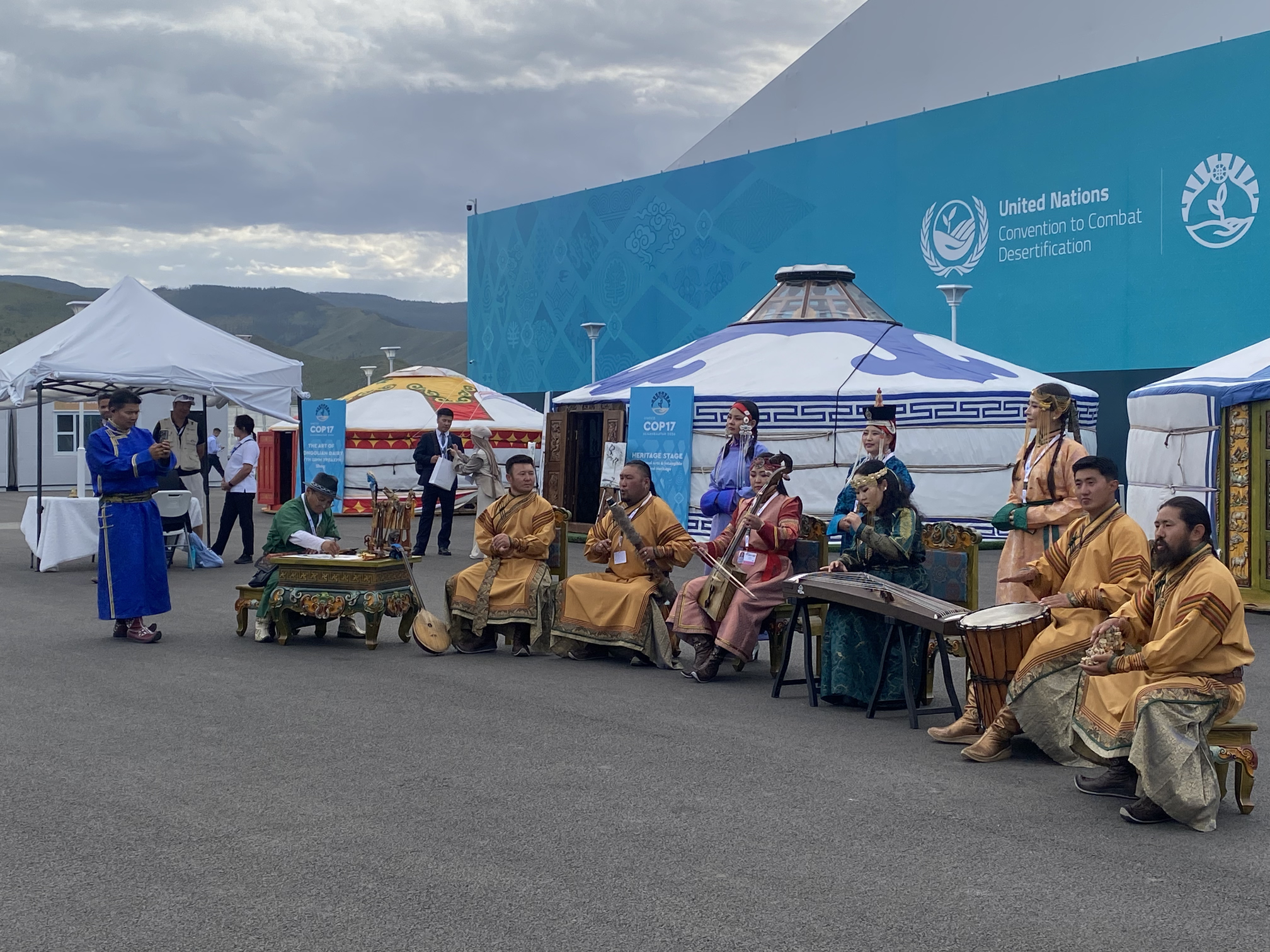
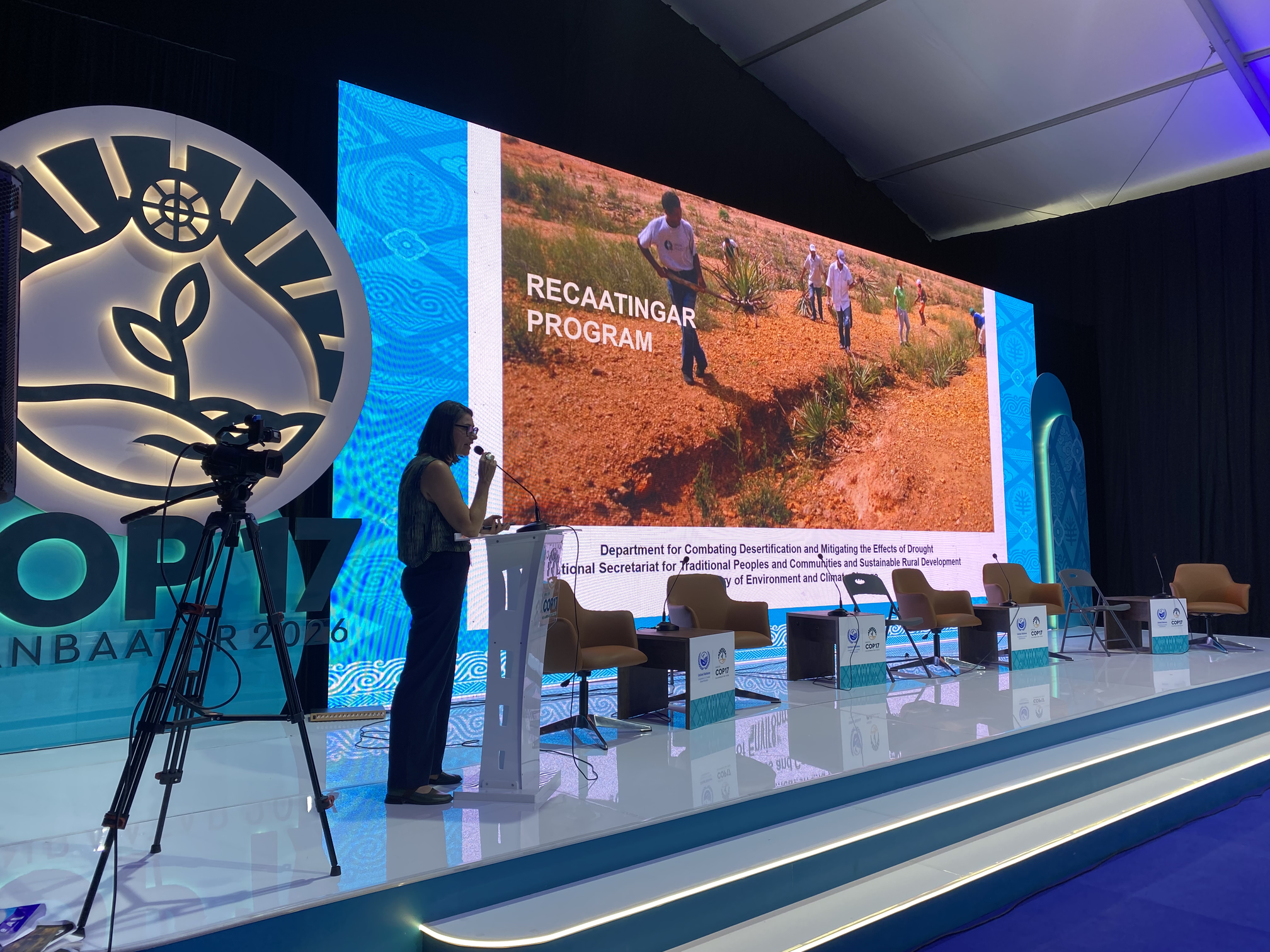
These issues were at the center of discussions during the 17th Session of the Conference of the Parties (COP17) of the United Nations Convention to Combat Desertification (UNCCD) in Ulaanbaatar, Mongolia. Governments, practitioners, donors, and partners came together to discuss how to accelerate restoration, strengthen drought resilience, and support countries affected by land degradation.
For many countries participating in the Ecosystem Restoration Integrated Program (ERIP), these challenges are already a reality. Drought, land degradation, water scarcity, and climate variability are affecting both ecosystems and livelihoods. As part of Conservation International's delegation, ERIP joined restoration leaders, governments, and partners from around the world to share experiences and discuss practical solutions for scaling and sustaining restoration efforts.
One question connected many of the conversations throughout the week: How can restoration efforts continue long after a project ends?
Looking Beyond Individual Projects
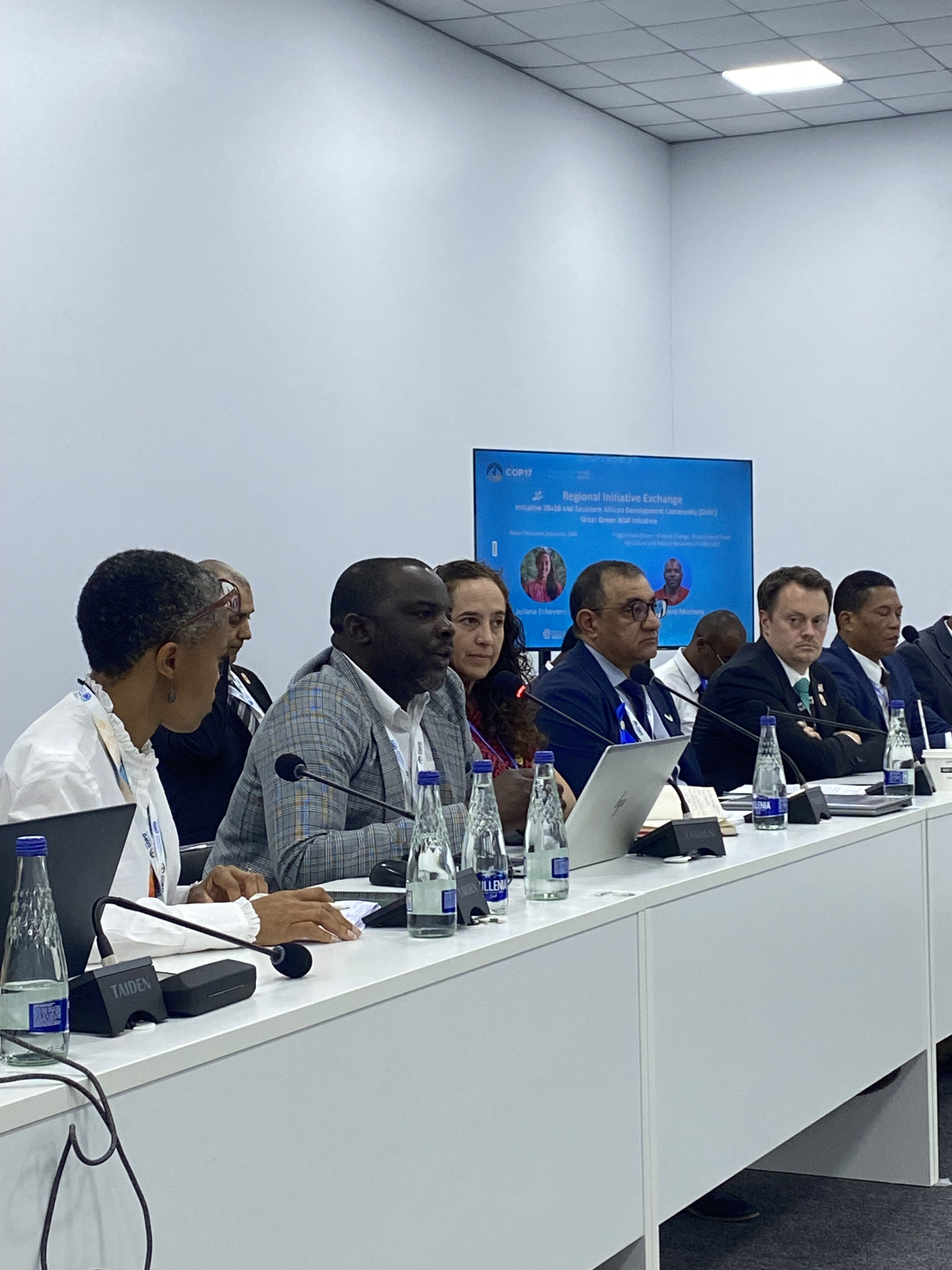
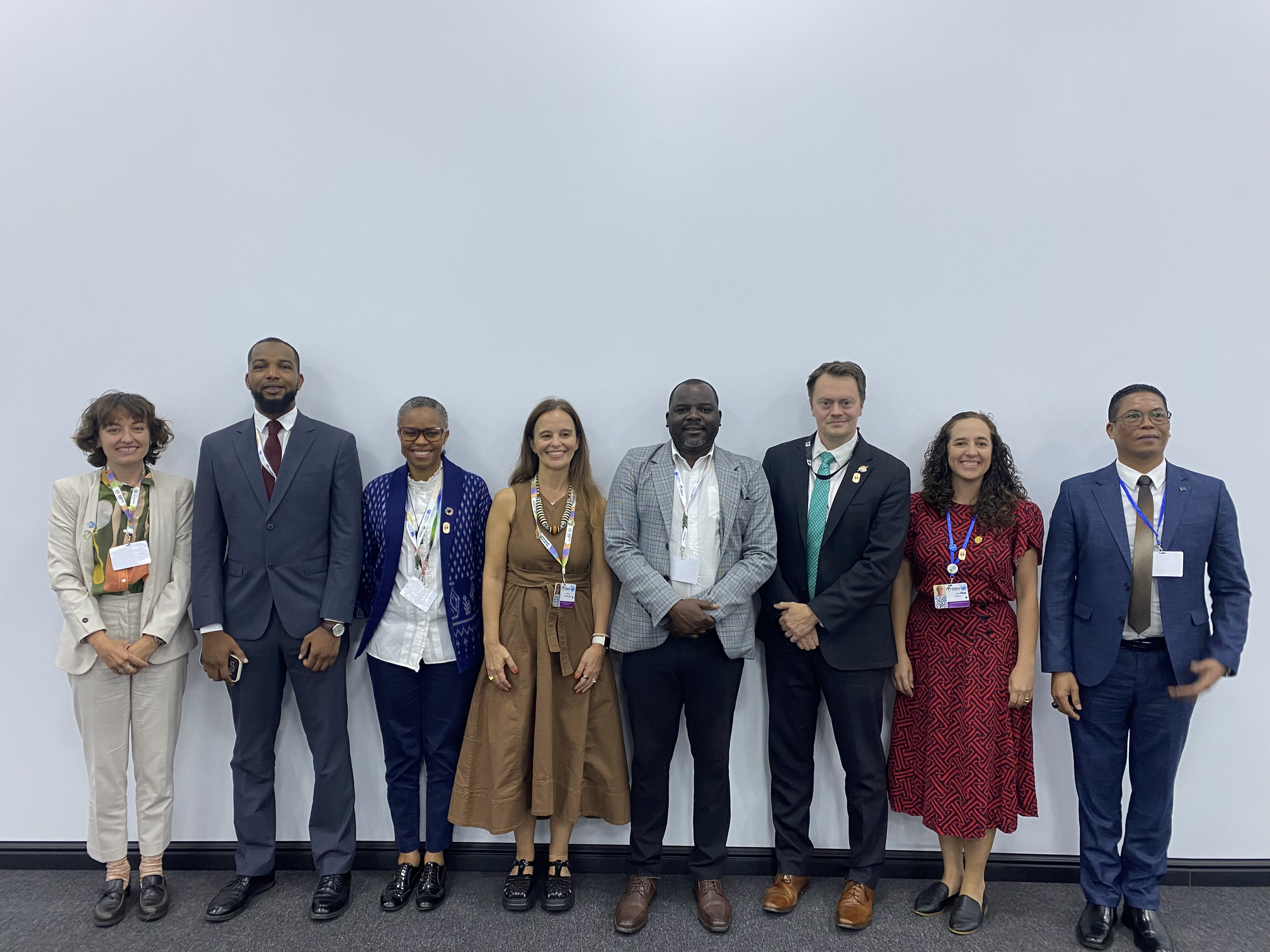
One of the main moments of ERIP's participation was the side event Scaling Dryland Restoration Through Regional Platforms: Innovation, Continuity, and Investment. The discussion brought together representatives from the Great Green Wall, AFR100, Initiative 20x20, the SADC Great Green Wall, ECOLAND, the Freshwater Challenge, the Global Environment Facility (GEF), the UN Decade on Ecosystem Restoration, and participating countries including Chad, Madagascar, and Uzbekistan.
The discussion focused on dryland restoration and how regional and global initiatives can help countries sustain restoration efforts beyond individual projects. Participants agreed on a simple message: restoration cannot succeed through individual projects alone. Regional initiatives help maintain momentum by preserving knowledge, strengthening institutions, supporting partnerships, and creating opportunities for countries to learn from one another. Another important message was that restoration efforts are more likely to last when they are integrated into national policies, institutions, budgets, and investment plans.
Participants also stressed that restoration must generate clear benefits for the people who depend on these landscapes, including farmers, pastoralists, Indigenous Peoples, and local communities. “If we want restoration to last, we need to work with communities, farmers, and all those who manage the land. Participation, fair benefits, and inclusive governance are not optional. They are part of what makes continuity possible,” Mônica Barcellos Harris, Sr. Director, Restoration Partnerships, Project Lead, ERIP Global Coordination Project, CI.