News

Scaling Assisted Natural Regeneration: Learning, Tools, and Global Engagement

With growing recognition of Assisted Natural Regeneration's (ANR) role in achieving global restoration goals, the Ecosystem Restoration Integrated Program (ERIP), led by Conservation International, and its partners have spent the months equipping practitioners with practical guidance, peer-learning opportunities, and technical resources. From new ANR tools and factsheets to a global training reaching nearly 7,000 participants, 2026 is marking a major milestone in building capacity for ANR across ERIP countries and beyond.

Photos credit:  ©P. Savadogo ICRAF

  • 13.10.2026

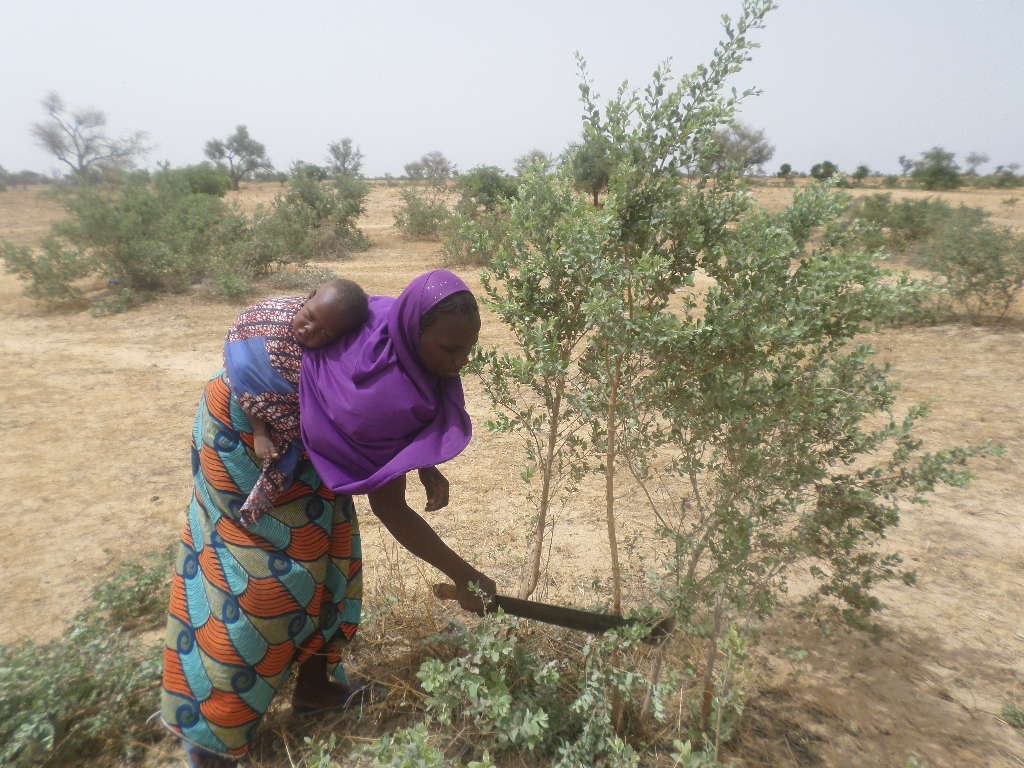
Image BG Farmer removing side stems from naturally regenerated Guiera senegalensis to enhance its growth a key FMNR practice P Savadogo ICRAF

Assisted Natural Regeneration Gains Momentum Across ERIP

Assisted Natural Regeneration has a significant potential to accelerate ecosystem restoration. While countries around the world have committed to restoring 1 billion hectares of degraded ecosystems under the UN Decade on Ecosystem Restoration, recent research estimates that more than 215 million hectares of deforested tropical land —an area greater than the entire country of Mexico— could regenerate naturally. 

To help transform this potential into action, ERIP led by Conservation International with partners have been building practical pathways for learning and implementation. In partnership with the Assisted Natural Regeneration Alliance and the Society for Ecological Restoration, ERIP developed new resources tailored to restoration practitioners, launched a global online training course that reached nearly 7,000 participants from 168 countries, and established a Community of Practice that is connecting restoration professionals across regions and sectors.

"Assisted Natural Regeneration is one of the most promising opportunities we have to restore ecosystems at scale while supporting biodiversity, climate resilience, and local livelihoods. Through ERIP, we are building a global community of practitioners and providing practical tools, guidance, and training that can help countries and projects unlock this potential. Our goal is to make ANR knowledge more accessible, actionable, and relevant to the real-world challenges restoration practitioners face every day," explained Dr Robin Chazdon, Senior Fellow, World Resources Institute, and Director, Assisted Natural Regeneration Alliance.

Supporting ANR Implementation with Practical Tools

One of the first milestones of the year was the launch of the ANR Community of Practice (CoP), led by Robin Chazdon, which brought together restoration practitioners from across ERIP countries and beyond. During the inaugural session, participants were introduced to the ANR Readiness Diagnostic Tool, a resource designed by ANR Alliance specifically to this program, to help users assess strengths, gaps, and opportunities across key dimensions of ANR planning and implementation.

The ANR Readiness Diagnostic Tool was made available in four languages and generated responses from participants across 13 countries, providing valuable insights into common challenges and priority areas for future capacity-building efforts. Findings from the assessment have already informed the design of subsequent training and learning activities.  

Building on this foundation, the ANR Alliance Expert Committee also developed a series of ANR Factsheets tailored to the needs of the ERIP community. Available in English, French, Spanish, and Portuguese, these concise resources translate technical concepts into practical guidance that can be applied in restoration planning and implementation. Together with the forthcoming Draft ANR Guidelines, these materials provide restoration practitioners with a growing toolkit to support the effective use of ANR in diverse landscapes.

Reaching Thousands Through the ANR Practitioner Training Course

Another major achievement this year has been the Assisted Natural Regeneration Practitioner Training Course, delivered through the UNDP Learning for Nature platform.

The 8-week online course attracted almost 7,000 participants from 168 countries, demonstrating strong global interest in ANR and its role in restoration. The training was offered in multiple languages, helping expand access to restoration knowledge across regions.

Weekly live sessions attracted hundreds of participants, and featured presentations and discussions led by several global ANR experts including Robin Chazdon, Sarah Wilson, and Yulia Klimento. Live interpretation and multilingual recordings ensured that learners could access course content in their preferred language.  

Learning Together Through the ANR Community of Practice

The ANR Community of Practice, moderated by Yeliz Mert, has continued to grow throughout the year, providing a space for peer-to-peer exchange, collaborative learning, and discussion of real-world restoration challenges.

The first two recorded sessions are available, and new participants are welcome to join the CoP, registration is open here. The final ANR Community of Practice session of 2026 will take place on 14 October 2026. The community has also benefited from the dedicated ANR Forum, which serves as an ongoing space for discussion and resource sharing between sessions. 

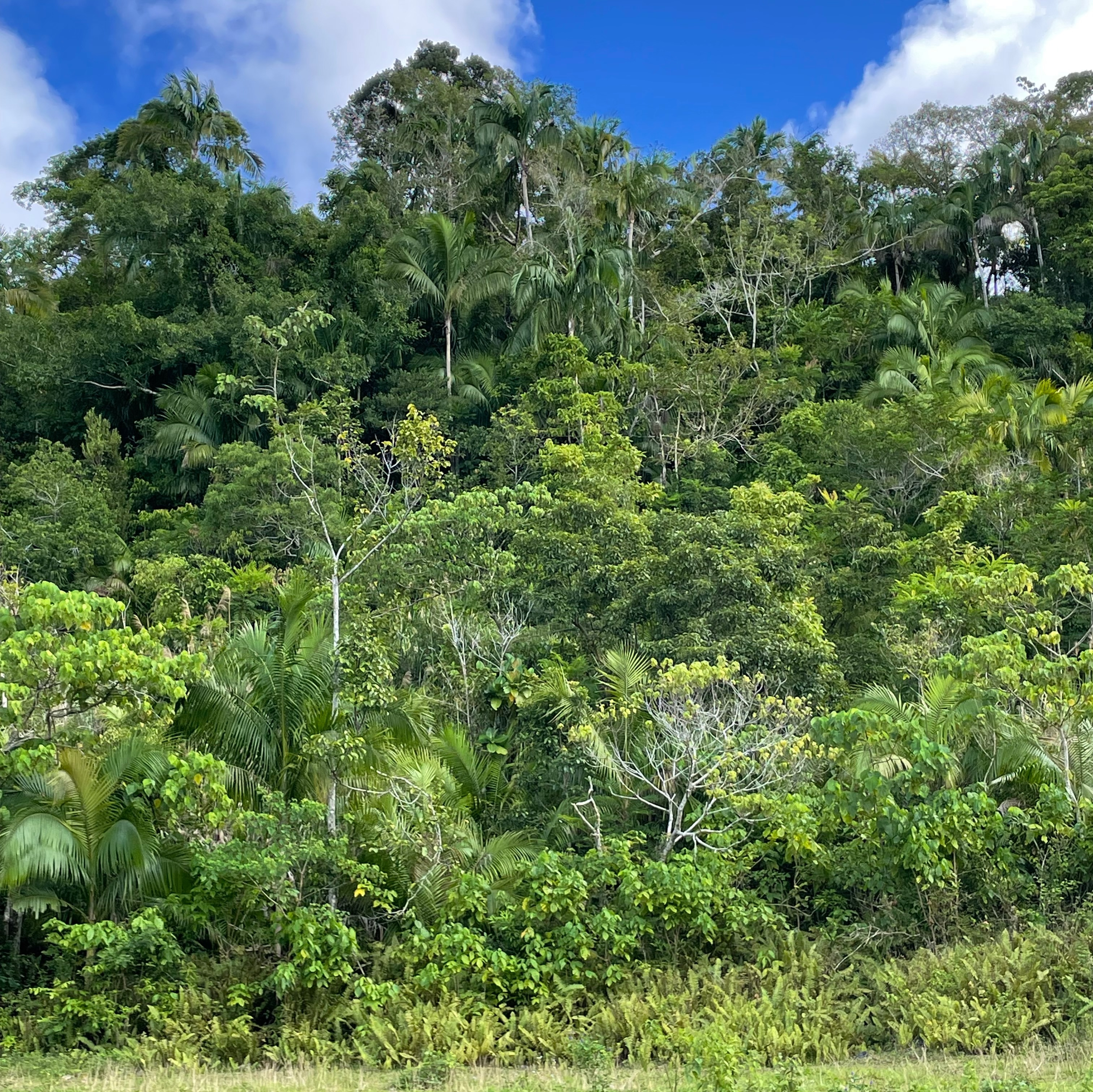
Article banner background 5 yr old ANR Site Anda Bohol

What's Next?

Looking ahead to 2027, ERIP will launch its first Advanced Course on ANR in Ecosystem Restoration, designed for practitioners seeking to deepen their technical knowledge beyond the introductory training.
Scheduled for January 2027, the Advanced Course will focus on two topics:

  • Monitoring outcomes of ANR for biodiversity and livelihoods
  • Spatial planning of ANR to achieve broader restoration objectives

These topics emerged as priorities through ongoing engagement with Community of Practice members and reflect growing demand for advanced guidance on implementation, monitoring, and decision-making. 

The ANR Practitioner Training Course will be offered a second time from 8 March to 30 April, 2027.

As ERIP looks ahead, the combination of practical tools, global learning opportunities, expert guidance, and a growing practitioner network is helping build the knowledge and capacity needed to scale Assisted Natural Regeneration and accelerate ecosystem restoration around the world.
 

More ANR Resources