News

From Restoration Goals to Action: Countries Meet in South Africa to Exchange Solutions and Deliver on Global Targets

Hosted in Cape Town by Conservation International and South Africa’s Department of Forestry, Fisheries and the Environment (DFFE), the Second Annual Conference of the Ecosystem Restoration Integrated Program will bring together participants from more than 20 countries to exchange knowledge and experiences for delivering restoration at scale.

  • 16.11.2026

Image BG ERIP 2026 monday small 92

Over 20 Countries Come Together to Exchange Knowledge

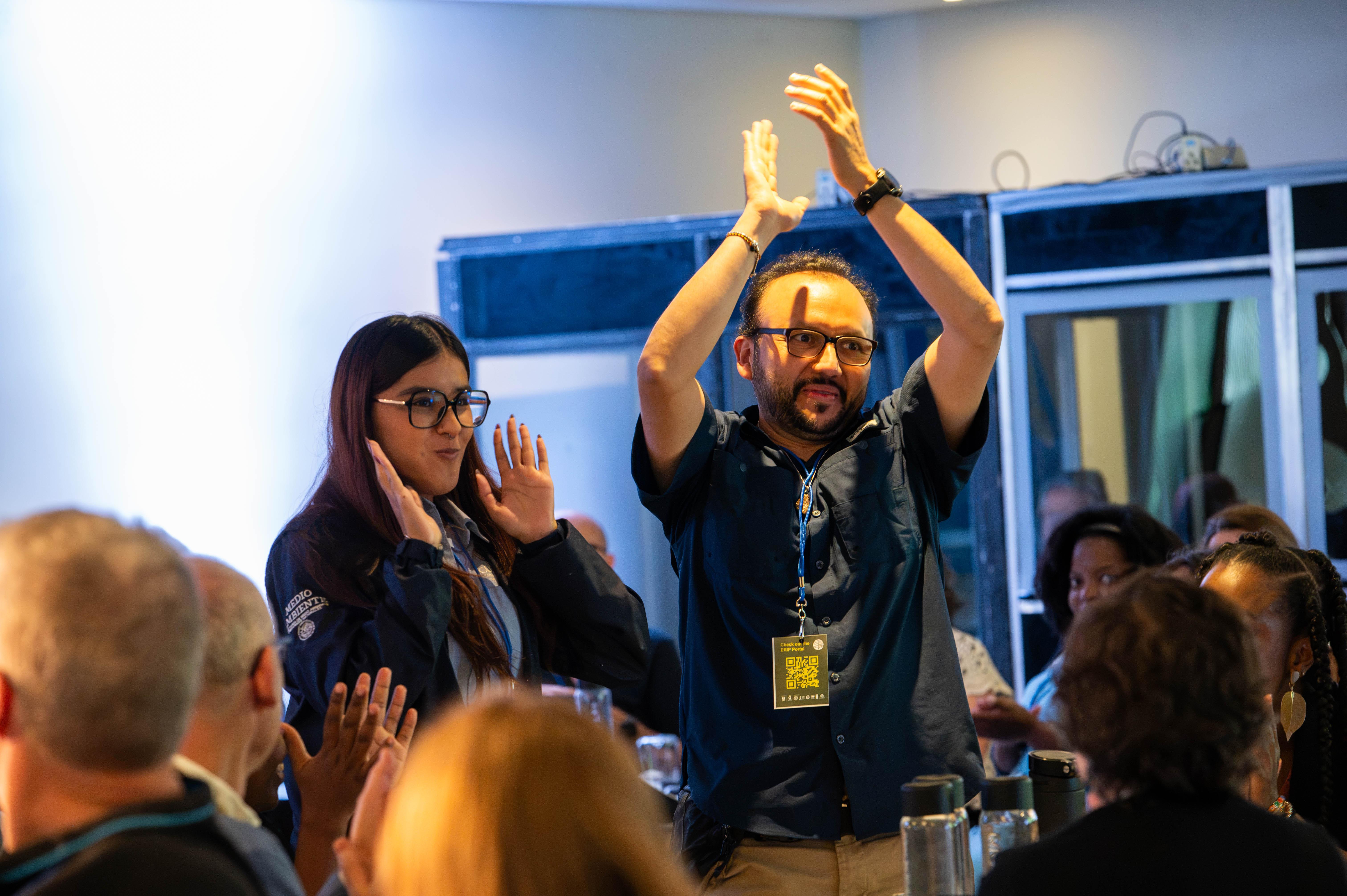
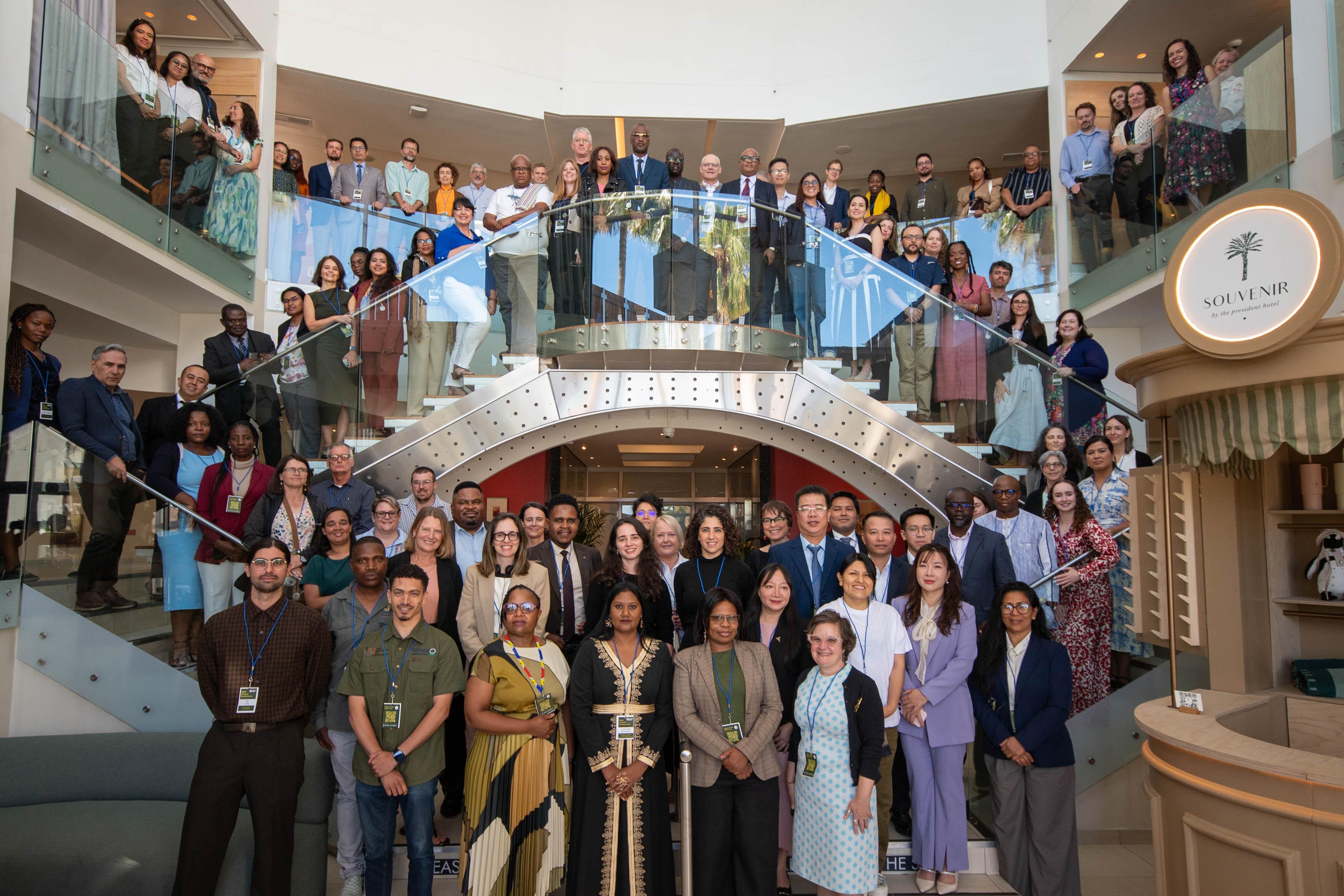
Cape Town, South Africa, 16 November 2026 – Countries around the world have made commitments to restore one billion hectares of degraded ecosystems by 2030, an area larger than China.  As the 2030 deadline approaches, the challenge is increasingly about delivery: how to finance restoration, engage communities, measure results and sustain restored landscapes over time. Against this backdrop, around 120 representatives from more than 20 countries across Africa, Asia and Latin America will gather in Cape Town this week to exchange knowledge, learn from each other and explore practical ways to turn restoration targets into action on the ground. 

These countries are part of the Ecosystem Restoration Integrated Program (ERIP), funded by the Global Environment Facility and led by Conservation International. Together, they aim to bring 1.7 million hectares under restoration, contributing to the global restoration effort. Restoring degraded ecosystems is critical to addressing interconnected challenges, from biodiversity loss and climate change to water and food insecurity and declining rural livelihoods. 

The scale is important, but how restoration is carried out matters as much as how many hectares are restored. Across ERIP countries, we're seeing that the challenge is not simply setting restoration targets but creating the conditions to deliver them. Countries are navigating similar questions around community engagement, technical capacity, financing, and long-term sustainability, often in very different contexts.  

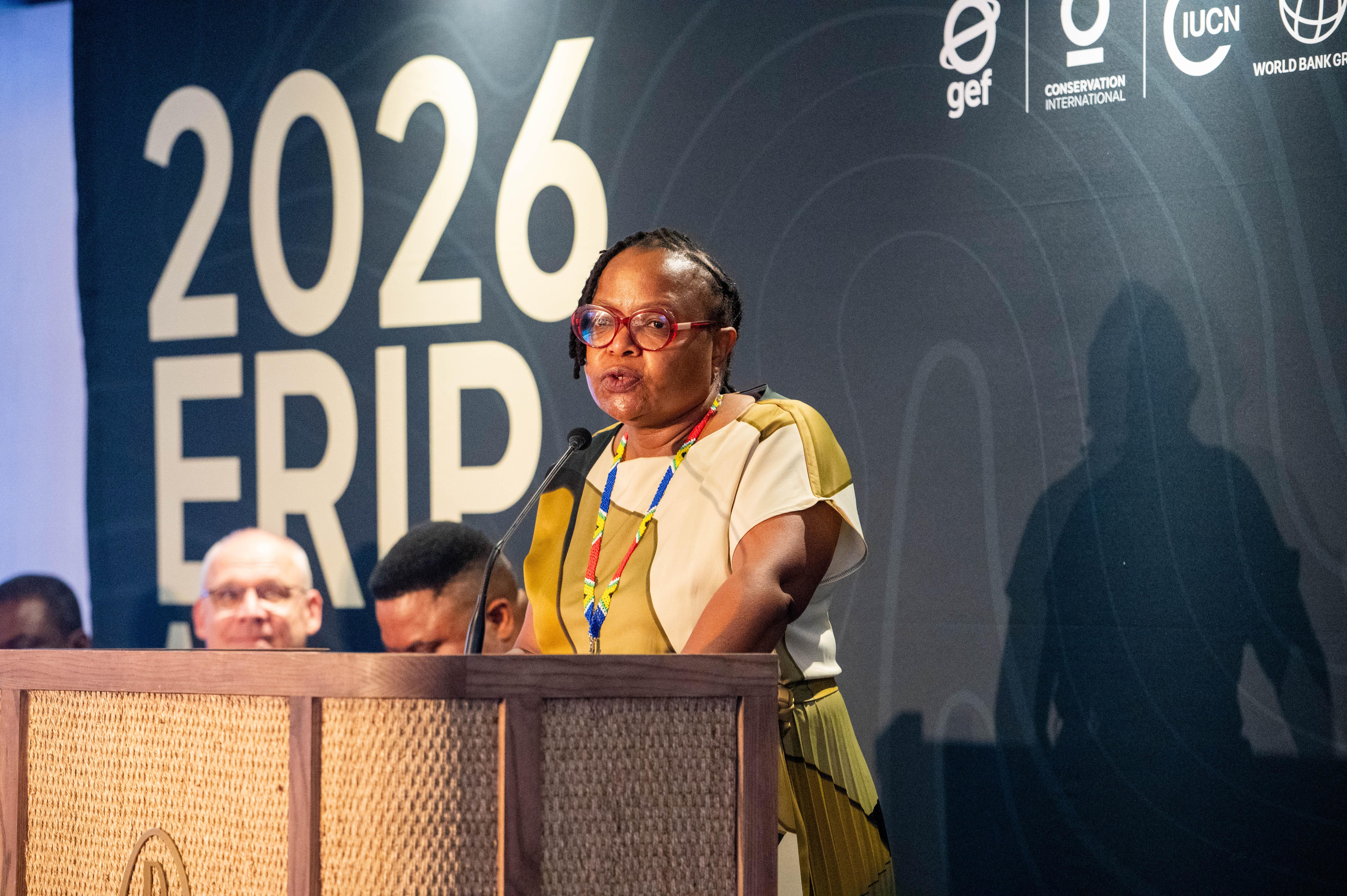
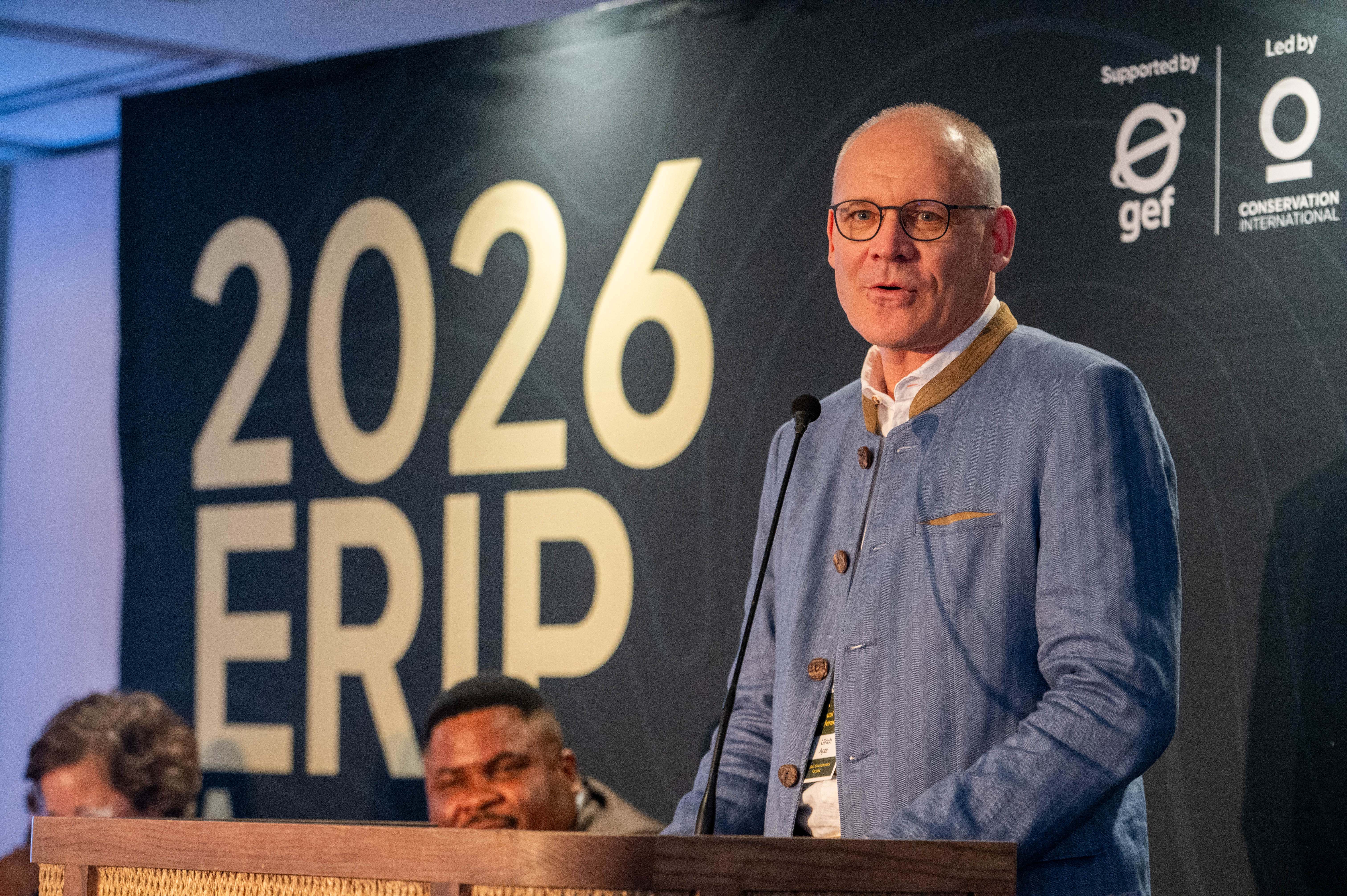
“This conference is an opportunity to learn from one another, share practical solutions and strengthen the partnerships needed to turn restoration ambitions into lasting results”, explains Mônica Barcellos Harris, Senior Director of Restoration Partnerships at Conservation International and ERIP Global Coordination Project Lead. 
 

South Africa brings its own restoration experience to the discussion

As host country, South Africa provides a concrete example of both the potential and complexity of restoring ecosystems.  

South Africa's ERIP project focuses on selected peatlands and their catchments, ecosystems that provide benefits ranging from water security and carbon storage to biodiversity, agriculture and local livelihoods. The project is implemented by UNEP and executed by South Africa's Department of Forestry, Fisheries and the Environment.  

The project has a US$7.5 million GEF investment alongside more than US$42.5 million in co-financing and is targeting 9,000 hectares under restoration and over 40,000 hectares under improved practices. It aims to benefit over 900 people directly.  

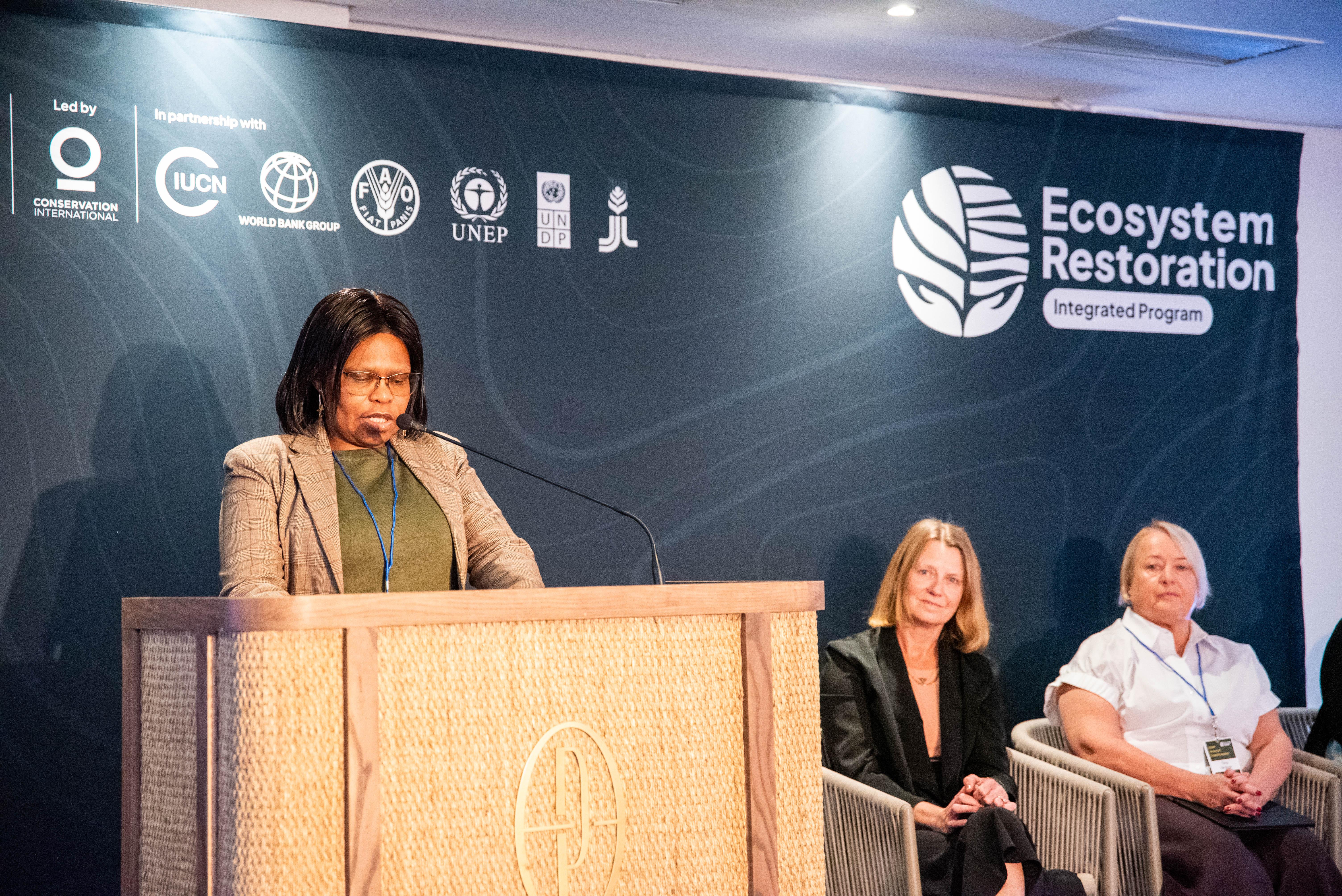
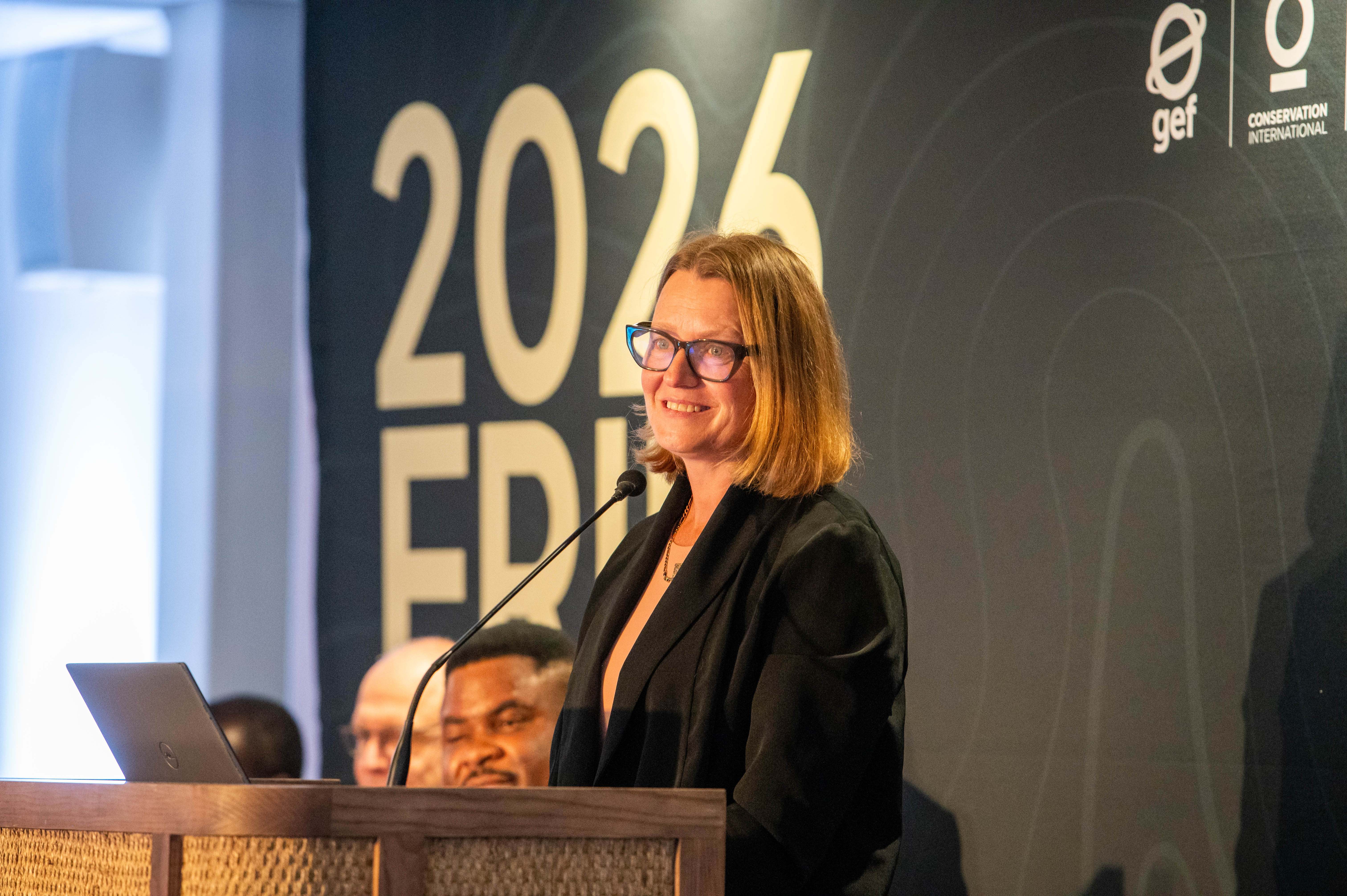
“South Africa recognizes that successful restoration requires an integrated approach that brings together ecological priorities, community participation, scientific knowledge and sustainable financing. Through the ERIP project, which focuses on peatlands and their catchments, we are working to demonstrate how restoring critical ecosystems can contribute to water security, biodiversity conservation, climate resilience and local economic development. This conference provides an important opportunity for countries to share practical experiences, learn from one another, and strengthen the partnerships needed to accelerate restoration at scale. Ultimately, our success will not be measured by commitments alone, but by the resilience of the ecosystems we restore and the lasting benefits they deliver for present and future generations”, says Dr Nonhlanhla Mkhize, Deputy Director-General, DFFE Environmental Programmes Branch.

South Africa’s project takes a different approach to restoration, bringing ecological, social and financial considerations together. Restoration plans will be developed with government, researchers, landowners, farmers and local communities, while the project explores financing options, including carbon finance, payments for ecosystem services, water funds and blended finance, to help sustain restoration beyond the life of the project.

"At a time of accelerating environmental change, ecosystem restoration offers a practical pathway to heal degraded landscapes, strengthen resilience, and secure the natural capital that supports our wellbeing, economy, and livelihoods. By creating jobs, improving ecosystem services, and enhancing the long-term sustainability of communities, restoration is not only an environmental necessity, but also a powerful source of hope for future generations”, tells Ms Flora Mokgohloa, Deputy Director-General, DFFE: Biodiversity and Conservation Branch. 
Why bring countries together?

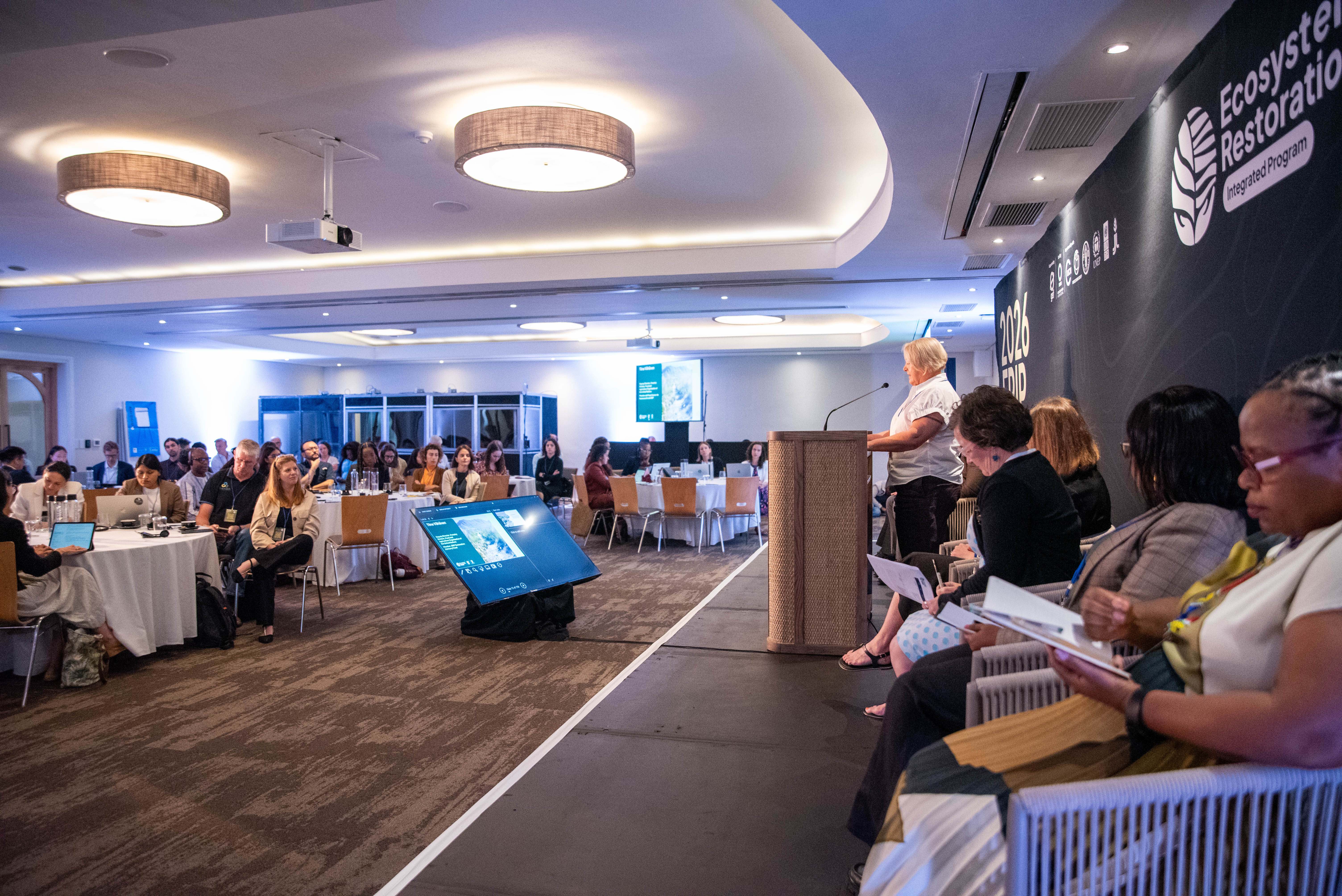
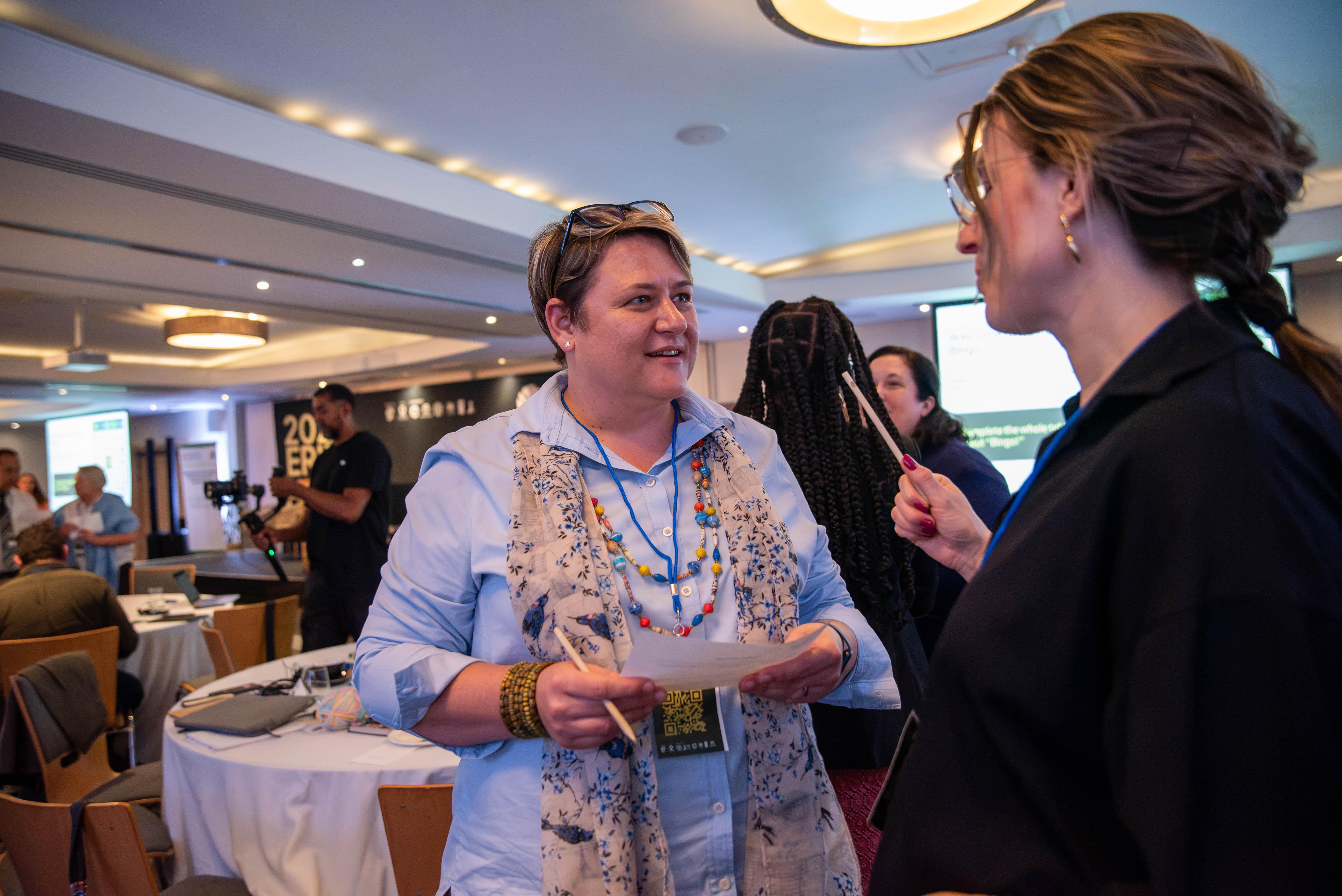
The conference will focus on the practical challenges countries face as restoration moves from planning to implementation. Over five days, participants will compare experiences on community engagement, restoration practice, monitoring, sustainable finance and private-sector partnerships through country exchanges, technical clinics, peer learning and field visits.

The goal is to identify what is working, where barriers remain and which approaches can be adapted across different contexts. The exchange also gives countries a chance to build the partnerships, knowledge and financing needed to sustain restoration beyond individual projects. Participants will also explore practical tools and approaches to restoration planning, monitoring and financing, alongside opportunities to strengthen engagement with companies and other potential partners.

Latest News

  • ERIP 2026 monday small 92
    News

    From Restoration Goals to Action: Countries Meet in South Africa to Exchange Solutions and Deliver on Global Targets

    Hosted in Cape Town by Conservation International and South Africa’s Department of Forestry, Fisheries and the Environment (DFFE), the Second Annual Conference of the Ecosystem Restoration Integrated Program will bring together participants from more than 20 countries to exchange knowledge and experiences for delivering restoration at scale. 

    Card arrow right white
  • IMG 2148
    News

    Global ERIP Community Meets in South Africa to Advance Ecosystem Restoration

    More than 20 countries from across Africa, Asia and Latin America are coming together in Cape Town from 16–20 November for the Second Annual Conference of the Ecosystem Restoration Integrated Program (ERIP).

    Card arrow right
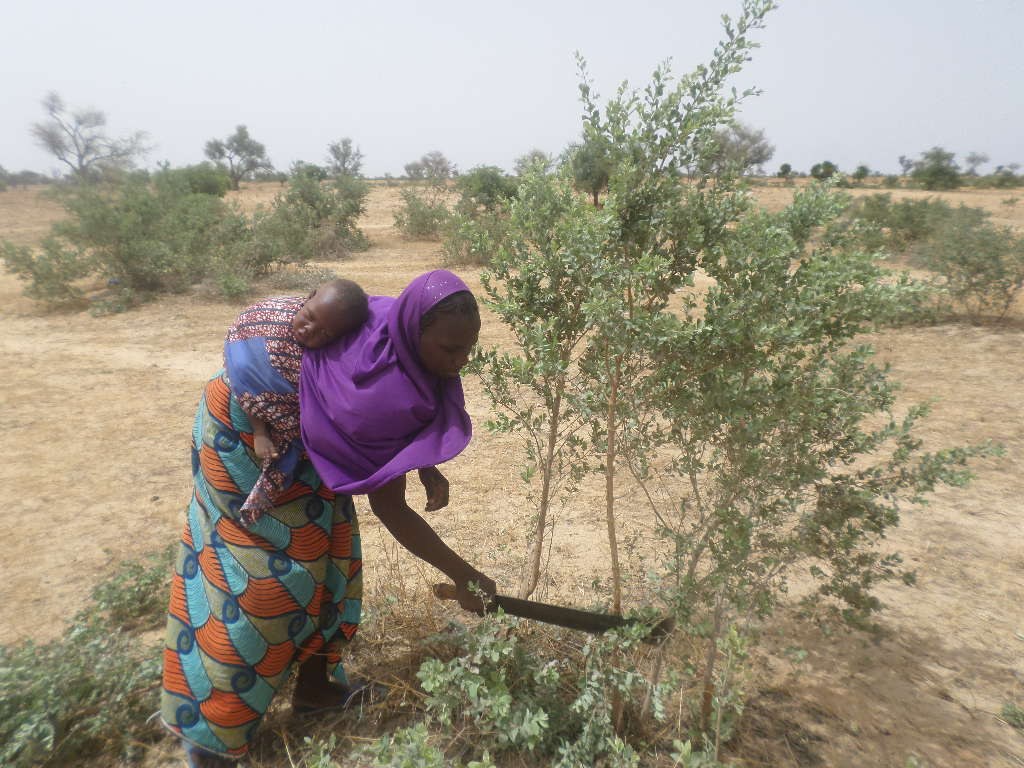
  • Farmer removing side stems from naturally regenerated Guiera senegalensis to enhance its growth a key FMNR practice P Savadogo ICRAF
    News

    Scaling Assisted Natural Regeneration: Learning, Tools, and Global Engagement

    With growing recognition of Assisted Natural Regeneration's (ANR) role in achieving global restoration goals, the Ecosystem Restoration Integrated Program (ERIP), led by Conservation International, and its partners have spent the months equipping practitioners with practical guidance, peer-learning opportunities, and technical resources. From new ANR tools and factsheets to a global training reaching nearly 7,000 participants, 2026 is marking a major milestone in building capacity for ANR across ERIP countries and beyond.

    Card arrow right